The Role of Insurance in Climate Resilience

As climate change intensifies, the frequency and severity of natural disasters are reshaping economies and communities worldwide. Floods, hurricanes, wildfires, and droughts are no longer rare events, they’re recurring threats. In this evolving reality, insurance plays a crucial role not just in recovery but in building resilience, helping individuals, businesses, and governments prepare for and adapt to environmental risks.

Insurance as a Safety Net Against Climate Risks

Insurance has long been viewed as a post-disaster safety net, but today, its role has expanded. It now serves as a proactive tool for risk management. By providing financial protection against weather-related losses, insurance allows families and businesses to rebuild faster and reduce long-term economic disruption.
For example, parametric insurance—a model that pays out when specific conditions (like rainfall levels or wind speeds) are met—helps communities recover swiftly without bureaucratic delays. This type of coverage is increasingly being adopted in disaster-prone regions around the world.

Encouraging Climate-Smart Investments

Insurance companies are also influencing positive changes by encouraging climate-resilient practices. Through premium incentives, insurers motivate property owners to adopt sustainable solutions—such as installing flood barriers, using fire-resistant materials, or adopting renewable energy.
Additionally, insurers are investing in green bonds and sustainability projects, channeling funds toward infrastructure that mitigates future risks. In this way, the insurance industry acts as both a financial protector and a climate-conscious investor.

Bridging the Protection Gap

Despite its importance, a significant “protection gap” still exists—especially in developing countries where many climate disasters go uninsured. Expanding insurance access through microinsurance and government-backed programs helps close this gap. Collaborative efforts between insurers, NGOs, and governments ensure that vulnerable populations are not left behind in the climate resilience movement.

Preparing for a Predictive Future

With the help of technology—like AI, big data, and climate modeling—insurance companies can now predict risks more accurately and design policies that anticipate future scenarios. This predictive approach transforms insurance from a reactive service to a forward-looking resilience tool, equipping societies to withstand the next generation of climate challenges.

Conclusion

Insurance is no longer just about financial recovery—it’s about future readiness. By combining innovation, sustainability, and accessibility, the insurance industry is becoming a key player in the global response to climate change. In building climate resilience, insurance doesn’t just rebuild what’s lost, it helps safeguard what’s yet to come.


Should You Use a Credit Card for Everyday Purchases?

Credit cards are powerful financial tools — offering convenience, security, and rewards with every swipe. But when used carelessly, they can also lead to debt and unnecessary interest charges. Whether you should use a credit card for everyday expenses depends on how disciplined you are with payments and how well you understand your card’s terms.

The Benefits of Using a Credit Card Daily

1. Convenience and Safety
Carrying a credit card is far safer than handling cash. It’s easier to track expenses digitally and replace a lost card than stolen money. Many cards also offer fraud protection, ensuring you’re not liable for unauthorized charges.

2. Rewards and Cash Back
Everyday spending — groceries, fuel, dining, or utilities — can earn you reward points, cashback, or travel miles. When you pay your balance in full each month, these rewards essentially translate into free money. Over time, they can add up to significant savings or perks.

3. Building a Strong Credit History
Regular use of a credit card, paired with on-time payments, helps build your credit score. A strong score improves your chances of securing loans or mortgages at favorable rates. Even small, consistent purchases can help demonstrate responsible credit behavior.

4. Expense Tracking and Budgeting
Most credit cards provide detailed statements that categorize your spending. This helps identify where your money goes each month and allows you to adjust your budget accordingly.

The Risks of Using a Credit Card for Everyday Spending

1. Overspending Temptation
When swiping feels effortless, it’s easy to lose track of how much you’ve spent. Many people fall into the trap of buy now, worry later, leading to balances they can’t repay in full.

2. Interest and Debt Accumulation
If you don’t pay off your balance each month, interest quickly builds up. Even small everyday purchases can become expensive once interest compounds, especially with cards charging rates above 20%.

3. Fees and Penalties
Late payments, annual fees, or exceeding your credit limit can result in costly penalties. Missing even one payment can hurt your credit score and trigger higher interest rates.

Smart Ways to Use a Credit Card Responsibly

  • Pay in full and on time: Avoid carrying a balance to eliminate interest charges.

  • Set a spending limit: Treat your credit card like a debit card — spend only what you can repay immediately.

  • Use for planned expenses only: Regular bills or groceries are fine; avoid impulsive purchases.

  • Monitor your utilization: Keep your credit usage below 30% of your total limit to maintain a healthy score.

Conclusion

Using a credit card for everyday purchases can be smart — if you manage it wisely. It offers convenience, rewards, and credit-building opportunities, but only if you stay disciplined with payments. The golden rule: treat your credit card as a financial tool, not an invitation to overspend. With responsible use, it can work for you, not against you.

How to Choose the Right Insurance Policy for Your Needs

Insurance is more than just a safety net — it’s a financial strategy designed to protect you and your loved ones from life’s uncertainties. With so many policy options available, choosing the right one can feel overwhelming. The key lies in understanding your priorities, assessing your risks, and aligning coverage with your lifestyle and financial goals.

Step 1: Identify Your Coverage Needs

Start by evaluating what you truly need protection for. Are you looking to secure your family’s future, cover medical emergencies, or protect valuable assets? Common policy types include:

  • Life Insurance: Provides financial security for dependents after your passing.

  • Health Insurance: Covers medical expenses and hospital bills.

  • Auto Insurance: Protects you against vehicle damage and liability.

  • Home or Renters Insurance: Covers property loss or damage.

  • Travel Insurance: Offers protection against trip cancellations, accidents, or lost luggage.

Defining your main priorities ensures you don’t overpay for unnecessary coverage or overlook essential protection.

Step 2: Assess Your Financial Situation

Your income, debts, and savings play a major role in determining how much coverage you can afford — and need. A young professional might focus on health and term life insurance, while a family homeowner may prioritize comprehensive life and property insurance. The goal is to balance adequate protection with affordability, ensuring that premiums don’t strain your budget.

Step 3: Compare Policy Options and Providers

Never settle for the first quote you receive. Compare multiple insurers on factors such as:

  • Premiums and deductibles

  • Coverage limits and exclusions

  • Claim settlement ratios

  • Customer service and digital accessibility

Online comparison platforms make it easy to analyze plans side by side. Look for transparency and reliability rather than just the cheapest deal.

Step 4: Understand Policy Exclusions

Every policy comes with exclusions — situations not covered by insurance. Read the fine print carefully. For example, pre-existing conditions may not be covered initially in health plans, and life insurance may exclude risky activities. Understanding exclusions helps you avoid unpleasant surprises at claim time.

Step 5: Reassess Regularly

As your life changes — marriage, home purchase, or new job — your insurance needs evolve too. Review your policies annually to ensure your coverage still fits your lifestyle and financial goals.

Conclusion

Choosing the right insurance policy is about preparation, not panic. By identifying your needs, comparing options, and understanding the fine print, you can secure a policy that truly protects what matters most. With thoughtful planning, insurance becomes a smart investment in peace of mind and financial stability.

How to Read Your Credit Card Statement

Your credit card statement is more than just a bill — it’s a detailed summary of how you spend, borrow, and repay money each month. Understanding how to read it can help you manage your finances better, avoid unnecessary fees, and protect yourself from fraud. Whether you’re a new cardholder or a seasoned spender, knowing what each section means ensures you stay in control of your credit.

1. Statement Period and Payment Due Date

At the top of your statement, you’ll find two key dates:

  • Statement Period: The range of dates for which transactions are listed (e.g., March 1–March 31).

  • Payment Due Date: The last day to make at least the minimum payment to avoid late fees and interest charges.

Paying your full balance before the due date helps you avoid interest altogether — a practice known as grace period management.

2. Previous Balance and Payments Received

This section shows what you owed on your last statement and any payments made since then. If you paid your balance in full, your “previous balance” and “payments received” should match. If not, the remaining amount carries over to your current balance.

3. New Purchases and Charges

Every transaction you made during the statement period appears here — including purchases, subscriptions, balance transfers, and cash advances. Review this section carefully for any unauthorized or duplicate charges. Reporting suspicious activity promptly can prevent financial loss and protect your credit score.

4. Interest and Fees

If you carry a balance, your statement lists interest charges based on your card’s Annual Percentage Rate (APR). It also includes any late payment fees, cash advance fees, or foreign transaction fees. Understanding these costs helps you see how borrowing behaviors affect your monthly total.

5. Minimum Payment Warning

Your statement shows the minimum payment due — the smallest amount you must pay to remain in good standing. However, only paying the minimum means you’ll incur interest on the remaining balance, potentially keeping you in debt longer. Always aim to pay more than the minimum, if possible.

6. Available Credit and Credit Limit

This section highlights how much credit you have left to use. Keeping your credit utilization ratio below 30% (the percentage of available credit you’re using) can help maintain or improve your credit score.

7. Rewards and Points Summary

If your card offers rewards or cashback, you’ll see a summary of points earned, redeemed, or carried over. Keeping track of these can help you maximize your benefits and plan smarter spending.

Conclusion

Reading your credit card statement isn’t just about checking your balance — it’s about understanding your financial habits. By reviewing each section carefully, you can catch errors early, manage debt responsibly, and make the most of your credit. A few minutes each month can save you money and strengthen your financial health for years to come.

Managing Loans and Credit Cards for a Better Score

Your credit score is more than just a number — it’s a reflection of your financial habits and reliability. Whether you’re applying for a mortgage, car loan, or credit card, lenders use this score to determine how trustworthy you are as a borrower. The good news? With careful management of loans and credit cards, you can steadily build and maintain a strong credit score that opens doors to better interest rates and financial opportunities.

Understand What Impacts Your Credit Score

Credit scores are based on several factors — payment history, credit utilization, length of credit history, new credit inquiries, and credit mix. Late payments or high credit card balances can drag your score down quickly, while consistent, responsible behavior can raise it over time. Understanding how these elements interact helps you make smarter borrowing decisions.

Pay on Time, Every Time

Payment history has the biggest impact on your score. Even one missed payment can significantly hurt your credit standing. Automate your payments or set up reminders to ensure you never miss a due date. If you’re struggling, contact your lender to discuss hardship options rather than skipping a payment — this keeps your record clean and shows responsibility.

Manage Credit Utilization Wisely

Credit utilization — the percentage of available credit you’re using — should ideally stay below 30%. For example, if your total credit limit is $10,000, try not to carry a balance higher than $3,000. Paying down balances regularly and avoiding maxing out cards demonstrates discipline and improves your score over time.

Maintain a Healthy Credit Mix

Having a mix of credit types — such as a credit card, personal loan, or auto loan — can strengthen your profile. It shows lenders that you can manage different forms of credit responsibly. However, don’t take on new debt just to diversify — it’s better to focus on managing what you already have effectively.

Limit New Credit Applications

Every time you apply for a new loan or credit card, it triggers a hard inquiry, which can temporarily lower your score. Too many applications within a short period can signal risk to lenders. Only apply for new credit when necessary and space out applications to minimize impact.

Regularly Review Your Credit Report

Check your credit report at least once a year to ensure accuracy. Look for errors, such as incorrect account details or fraudulent activity, and dispute them promptly. Monitoring services and free credit report tools can help you stay informed and protect your score.

Conclusion

Managing loans and credit cards wisely is about consistency, awareness, and balance. By paying on time, keeping utilization low, and monitoring your credit, you can build a score that reflects financial strength and stability. Over time, these habits not only boost your creditworthiness but also create a solid foundation for long-term financial success.

Embedded Insurance: Seamless Protection at Purchase

In today’s digital economy, convenience rules — and insurance is no exception. Embedded insurance, a fast-growing innovation in the financial and retail sectors, is transforming how consumers access coverage. Instead of buying separate policies after a purchase, protection is now built directly into the buying process. Whether it’s covering a smartphone, a flight, or a new car, embedded insurance ensures instant, seamless protection right when you need it most.

What Is Embedded Insurance?

Embedded insurance integrates insurance products directly into the sale of goods or services. It eliminates the need for customers to search for separate coverage after a purchase. For example, when booking a flight, you might see an option to add travel insurance; or when purchasing a smartphone online, you can include accidental damage protection at checkout. This integration is made possible by partnerships between insurers, retailers, and technology platforms using APIs to offer real-time quotes and coverage.

Why It’s Changing the Industry

Traditional insurance often requires paperwork, comparison shopping, and time-consuming steps. Embedded insurance flips this model by delivering simplicity and speed. It aligns perfectly with consumer behavior in the digital age — instant, personalized, and effortless. For companies, it opens new revenue streams and enhances customer satisfaction by offering value-added protection without disrupting the buying journey.

Benefits for Consumers

Embedded insurance provides convenience and confidence. Customers get immediate coverage tailored to the product they’re buying, often at a lower cost since it’s bundled with the transaction. It reduces decision fatigue by removing the need to shop separately for insurance. Moreover, digital platforms simplify claims and renewals, making the entire process smoother and more transparent.

The Role of Technology

Advanced data analytics and artificial intelligence are driving the success of embedded insurance. By analyzing purchase history, location, and user preferences, systems can recommend the right type of coverage in real time. Insurtech companies are leading the charge, working with e-commerce platforms, fintech apps, and automotive dealers to deliver personalized, embedded solutions.

Conclusion

Embedded insurance represents the next step in customer-centered innovation — protection that’s effortless, intelligent, and integrated into everyday life. As digital ecosystems evolve, this seamless blend of purchase and protection could redefine how people experience insurance in the modern world.

How to Start Your Own Insurance Brokerage

Starting an insurance brokerage can be one of the most rewarding entrepreneurial ventures—combining financial knowledge, customer trust, and the satisfaction of helping clients protect what matters most. Whether you’re a seasoned agent or new to the industry, launching your own brokerage requires planning, licensing, and a clear strategy. With the right foundation, you can build a profitable and reputable business in a thriving sector.

Understand the Industry and Choose Your Niche

Before you start, research the insurance market to identify where your skills and interests align. Common specializations include health, life, property, casualty, auto, or commercial insurance. Choosing a niche helps you target the right audience and differentiate your brokerage from competitors. Understanding state regulations, policy structures, and emerging trends—like digital insurance platforms—will also position you for long-term success.

Get Licensed and Meet Legal Requirements

To operate legally, you’ll need an insurance producer’s license in your state. This usually involves completing pre-licensing courses, passing a state exam, and submitting a background check. If you plan to sell multiple types of insurance, separate licenses may be required. You’ll also need to register your business, obtain an Employer Identification Number (EIN), and secure professional liability insurance (Errors & Omissions coverage) to protect your brokerage from legal risks.

Build Strong Carrier Relationships

Partnering with reliable insurance carriers is crucial. These partnerships allow you to offer a range of policies that meet your clients’ needs. When negotiating agreements, look for carriers that offer fair commission rates, responsive support, and robust underwriting processes. Building long-term relationships with these providers ensures stability and credibility in your business.

Develop Your Business and Marketing Plan

A solid business plan outlines your goals, target market, pricing structure, and projected revenue. Consider both digital and traditional marketing strategies to reach potential clients. A professional website, SEO-optimized content, and social media engagement can boost your visibility. Networking through community events, seminars, and partnerships also helps establish local trust. Your success will depend on your ability to build relationships and deliver value consistently.

Invest in Technology and Compliance Systems

Modern brokerages rely heavily on technology for efficiency and compliance. Customer Relationship Management (CRM) systems, quoting software, and digital signature tools streamline operations and enhance client experiences. Compliance is non-negotiable, maintain accurate records, follow data privacy laws, and stay up to date with state and federal insurance regulations.

Conclusion

Starting an insurance brokerage takes effort, vision, and persistence—but the rewards can be substantial. With the right mix of licensing, partnerships, and customer focus, you can create a thriving business built on trust and professionalism. Every great brokerage begins with one confident step—start yours today.

Understanding Credit Card Interest Rates

Credit cards offer convenience and flexibility, but understanding how interest rates work is essential to avoid costly debt. Many people use credit cards without realizing how interest accumulates or how rates vary based on usage. Gaining clarity on these concepts can help you make smarter financial decisions and keep your credit healthy.

What Are Credit Card Interest Rates?

A credit card interest rate, also known as the Annual Percentage Rate (APR), is the cost you pay for borrowing money from your credit card issuer. It’s expressed as a yearly percentage, but it typically applies monthly if you carry a balance. When you don’t pay off your full balance by the due date, the remaining amount starts accruing interest based on your APR. Different types of transactions — such as purchases, balance transfers, and cash advances — can each have their own rate.

How Interest Is Calculated

Credit card interest is usually calculated using your average daily balance. The issuer divides your APR by 365 to find your daily periodic rate, then multiplies it by your balance each day. For example, if your APR is 18%, your daily rate is roughly 0.049%. If your daily balance averages $1,000, you’ll pay about $0.49 in interest per day — which can quickly add up over a month. Compounding interest means that unpaid interest can also start accruing interest, making it harder to pay off debt over time.

Fixed vs. Variable Rates

Credit card APRs can be fixed or variable. A fixed rate stays the same unless your lender notifies you of a change, while a variable rate fluctuates with market conditions — often tied to the prime rate. Understanding which type you have helps you plan ahead, especially during times of economic fluctuation. When interest rates rise nationally, variable APRs can increase without warning, impacting your monthly payments.

Tips to Manage and Reduce Interest

The best way to avoid paying interest is to pay your balance in full each month. If that’s not possible, focus on paying more than the minimum amount due to reduce your balance faster. You can also look for introductory 0% APR offers or balance transfer cards to consolidate debt at a lower rate temporarily. Maintaining a good credit score can help you qualify for lower interest rates over time. Finally, monitor your statements regularly to spot unexpected rate changes or additional fees.

Conclusion

Understanding credit card interest rates is key to staying in control of your finances. By learning how APRs work and managing your payments strategically, you can minimize interest costs, protect your credit score, and make your credit card work for you — not against you.

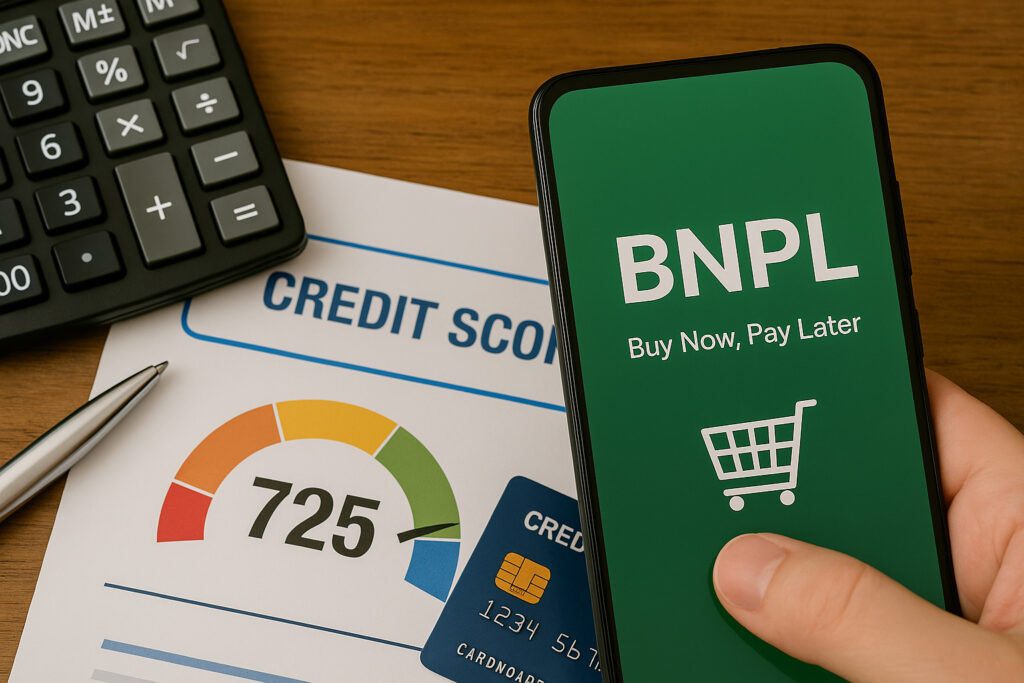
BNPL Services: Their Impact on Credit Score Explained

Buy Now, Pay Later (BNPL) services have changed how consumers shop and manage short-term payments. With just a few clicks, you can split purchases into easy installments without using a traditional credit card. While BNPL options offer convenience, many users don’t fully understand their effect on credit scores. Knowing how these services interact with your financial profile is crucial for maintaining a healthy credit history.

What Are BNPL Services?

BNPL services allow customers to purchase goods or services immediately and pay over time, usually in interest-free installments. Popular providers include fintech platforms and digital wallets that partner with online retailers. These services appeal to younger consumers because they offer flexibility and instant approvals—often without a formal credit check.

How BNPL Affects Your Credit Score

The impact of BNPL on credit depends on how the provider reports your activity to credit bureaus. Some BNPL companies do not share repayment data, while others are beginning to include it in credit files.

1. Hard and Soft Credit Checks

Some BNPL providers perform only a soft check (which doesn’t affect your score), while others use hard inquiries that can temporarily lower your credit score. Frequent applications across multiple platforms can have a cumulative impact.

2. Payment History

On-time payments may help demonstrate responsible borrowing, but missed or late payments can hurt your score if reported. As BNPL services evolve, repayment data is increasingly being shared with credit agencies, making consistency more important.

3. Credit Utilization and Debt Levels

Even though BNPL doesn’t function like a traditional credit card, having multiple open BNPL accounts may increase your overall debt exposure. High usage without prompt repayment can signal risk to lenders reviewing your credit profile.

The Hidden Risks of Convenience

The simplicity of BNPL can sometimes lead to overspending. Small, manageable payments can accumulate quickly, making it harder to track multiple due dates. Missing a single payment can trigger penalties or affect future borrowing capacity, especially as reporting systems become more transparent.

How to Use BNPL Responsibly

  • Track all your BNPL purchases and repayment dates carefully.

  • Link payments to reminders or auto-debit features to avoid missed deadlines.

  • Limit the number of active BNPL accounts to maintain manageable debt levels.

  • Check your credit report regularly to monitor any changes or updates related to BNPL usage.

Conclusion

BNPL services offer flexibility and short-term relief, but they’re not risk-free. As credit bureaus begin factoring BNPL data into reports, your repayment habits can directly influence your credit score. Using BNPL responsibly—by paying on time and managing spending—can protect your financial health and strengthen your credit profile.

How Insurance Can Protect Your Financial Future

Life is unpredictable, and financial stability can be easily disrupted by unexpected events—medical emergencies, job loss, or accidents. Insurance serves as a safety net that helps you stay financially secure when life takes an unplanned turn. By providing protection against major risks, insurance ensures peace of mind and long-term financial resilience. Understanding how different types of insurance work can empower you to make smart decisions for your future.

1. Safeguarding Against Financial Loss

Insurance acts as a financial buffer, covering unexpected expenses that could otherwise deplete your savings. Health, life, auto, and home insurance protect you from significant financial setbacks. For example, health insurance covers costly medical bills, while auto insurance shields you from repair or liability costs after accidents. This protection allows you to recover financially without derailing your long-term goals.

2. Protecting Your Family’s Future

Life insurance plays a vital role in ensuring your loved ones remain financially stable even if something happens to you. It can cover daily living expenses, outstanding debts, or your children’s education. By planning ahead, you not only secure your family’s financial well-being but also give them emotional reassurance during difficult times.

3. Supporting Wealth Building and Savings Goals

Some insurance plans—like whole life or unit-linked policies—offer both protection and investment components. These plans allow your money to grow over time while still providing coverage. This dual benefit supports long-term financial goals, helping you build wealth while maintaining essential protection against risks.

4. Reducing Stress and Financial Anxiety

Knowing that you’re covered in case of emergencies gives you peace of mind. When you’re confident that your health, home, and income are protected, you can focus more on personal and professional growth. Insurance minimizes financial stress, helping you plan your future with clarity and confidence.

5. Encouraging Financial Discipline

Paying regular insurance premiums fosters a disciplined approach to money management. It encourages consistent saving habits and ensures you prioritize financial security over impulse spending. Over time, this discipline builds a strong foundation for a stable and worry-free future.

Conclusion

Insurance isn’t just about protection—it’s a key part of long-term financial planning. It shields you from life’s uncertainties, safeguards your family, and promotes financial stability. By choosing the right insurance coverage, you invest not only in peace of mind but also in a secure and prosperous future.