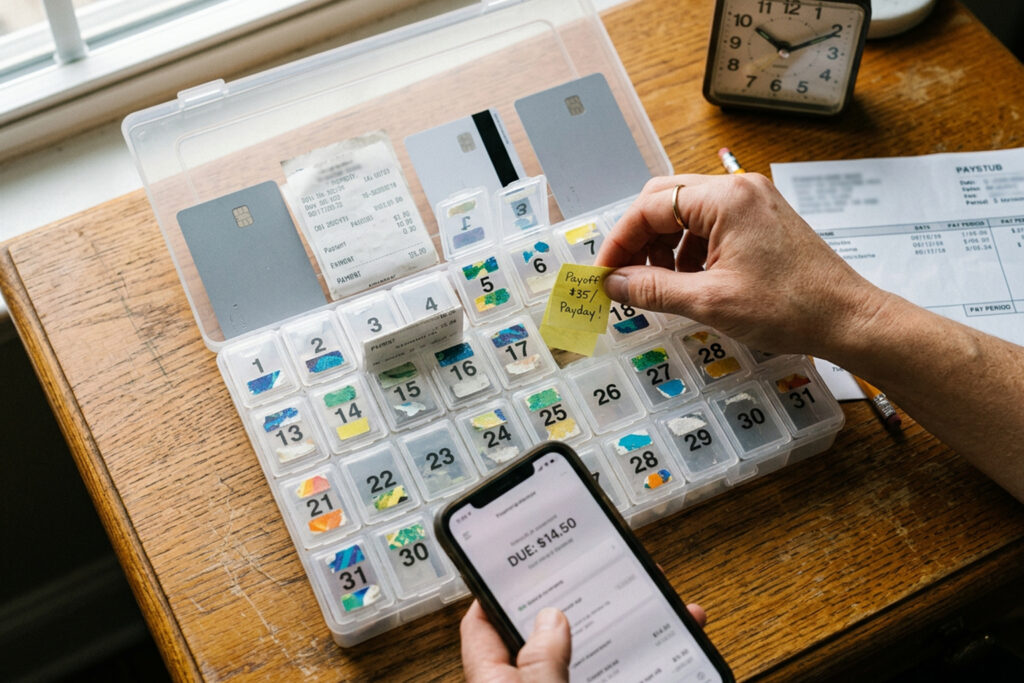
Monthly Credit Checklists to Strengthen Your Financial Standing

Monitoring credit regularly turns a vague goal into an achievable routine. A focused monthly checklist reduces surprises, highlights small wins, and makes disputes or corrections easier. When you break tasks into repeatable items, credit management becomes less time-consuming and more effective. This article outlines practical checklist items and habits you can adopt each month to support steady credit improvement.

Building a concise routine is the first step toward predictable progress. Small, consistent actions compound over time and protect against common setbacks.

Why a Monthly Credit Checklist Matters

A monthly checklist creates structure around often-overlooked tasks like checking reports and adjusting payment schedules. Regular reviews help you catch reporting errors, identity theft signs, or unexpected balances before they cause damage. A consistent cadence also makes it easier to track trends, such as shifts in utilization or late payment patterns. Over time these observations inform better decisions about borrowing and saving.

Having a checklist reduces decision fatigue and turns maintenance into habit. It also gives you a clear record to review when planning credit goals.

Key Items to Include Each Month

Start with a quick review of your credit score and a scan of your credit reports for new accounts or unexpected inquiries. Confirm that recent payments posted on time and that balances align with your expectations. Check credit utilization across major accounts and identify opportunities to move balances or increase available credit responsibly. Note any bills you can set to autopay and flag items requiring follow-up.

  • Check score and one credit report.
  • Verify recent payments and balances.
  • Review utilization and set autopay where sensible.
  • Document and initiate disputes if you find errors.

These items keep the process focused and actionable, so you can complete the checklist in under 30 minutes most months. A short record of actions taken helps track progress.

Practical Steps to Lower Credit Utilization

Lower utilization by paying down high-interest balances first and by increasing the frequency of payments within the billing cycle. Consider small balance transfers only when fees and terms make sense, and avoid opening accounts solely to raise available credit. Keep a running tally of balances relative to limits so spikes are easy to spot. Maintaining low utilization on older accounts preserves both score and credit history benefits.

Frequent, intentional payments and selective credit management deliver measurable improvements. Aim to keep utilization under recommended thresholds for the best impact.

Maintaining Momentum With Tools and Habits

Use calendar reminders, budgeting tools, or simple spreadsheets to keep the checklist active each month. Set alerts for due dates and large purchases, and review automatic payments periodically to ensure they are still appropriate. When needed, schedule a quarterly deeper review to assess progress and adjust goals. Sharing an accountability check with a trusted partner or advisor can also help sustain the habit.

Consistent use of tools makes the checklist effortless and accurate. Over time, the routine builds a stronger credit profile with minimal stress.

Conclusion

Adopting a short, actionable monthly checklist transforms credit care from sporadic to consistent. Small monthly steps reduce risk and produce steady gains in credit health. Stick with the routine and review results quarterly to keep improving.

A Practical Roadmap to Improve Your Credit Score

Improving a credit score is a gradual process that rewards consistent, informed choices. Small adjustments to how you manage accounts, payments, and inquiries can lead to measurable gains over months and years. This article lays out a practical roadmap focused on everyday actions and strategic steps that help your credit profile recover and grow. The guidance is designed to be realistic, adaptable, and effective for a wide range of financial situations.

Understand the Components

Knowing what affects your score is the foundation of any improvement plan. Credit utilization, payment history, length of credit history, new credit inquiries, and account mix each play distinct roles. By targeting the most influential components—especially payment history and utilization—you can prioritize efforts that yield the best results. Awareness allows you to choose actions that address your specific weaknesses.

Start by pulling your reports and identifying patterns rather than reacting to a single metric. That clarity makes budgeting and planning more purposeful.

Build Practical Payment Habits

Consistently paying on time is the most reliable way to strengthen credit over time. Set up automatic payments or calendar reminders to avoid late marks, and aim to pay more than the minimum when possible. If you struggle during certain months, communicate with creditors early to explore temporary arrangements instead of missing payments. Prioritizing on-time payments reduces risk and compounds positively on your credit history.

Even small, on-time payments maintain momentum and prevent setbacks that are harder to recover from. Over time, this habit becomes the cornerstone of a healthier credit profile.

Use Credit Strategically

Smart credit use balances maintaining available credit while avoiding excessive balances. Keep utilization under roughly 30% per card and consider spreading balances across accounts rather than maxing one. When opening new accounts, do so sparingly and for strategic reasons, since hard inquiries and short account age can temporarily lower your score.

  • Keep older accounts open when they have no cost.
  • Use secured or credit-builder accounts if rebuilding.
  • Request credit-limit increases cautiously to lower utilization.

These practical tactics help you use credit as a tool without allowing it to harm your standing. Thoughtful moves compound into steady improvement.

Monitor and Adjust

Regular monitoring catches errors, identity issues, and unexpected shifts early. Review reports at least annually and use alerts for significant changes. If you spot inaccuracies, dispute them promptly and document communications to protect your rights and accelerate corrections.

Adjust your plan as your situation evolves, aiming for sustainable practices instead of quick fixes. Over months, incremental changes lead to stronger, more resilient credit health.

Conclusion

Improving a credit score is a steady process rooted in timely payments, disciplined credit use, and ongoing monitoring. Focus on consistent habits and make strategic adjustments when needed, and your credit profile will reflect those efforts. With patience and planning, measurable progress is achievable and sustainable.

A Practical Routine to Grow Your Credit Health

Improving your credit score doesn’t require drastic measures; small, consistent actions add up over months. A clear routine helps you prioritize payments, manage balances, and spot errors early. This article outlines a practical monthly framework that fits busy schedules and supports steady progress. Follow manageable steps and adjust them as your financial situation changes.

Understand Your Starting Point

Begin by reviewing your credit reports and the numeric score from a reputable source to establish a baseline. Look for negative items, late payments, or identity errors that might be corrected or disputed. Note your current credit utilization and the age of accounts; both factors influence scoring models. Having specific metrics lets you set realistic monthly goals.

Record progress each month and revisit the baseline to measure improvement. Early wins build momentum and inform the next steps.

Monthly Actions That Move the Needle

Create a short list of recurring tasks to complete every month, such as paying bills on time, reducing revolving balances, and avoiding new hard inquiries. Prioritize paying at least the minimum due and schedule additional payments toward cards with the highest utilization. Consider setting up balance alerts and automatic payments to prevent accidental late fees. Small reductions in utilization and perfecting on-time payments significantly affect score calculations over time. Limiting new credit inquiries also helps maintain a stable profile.

  • Pay on time and keep balances low.
  • Lower credit utilization below 30% when possible.
  • Review reports and dispute errors promptly.

Keep the monthly routine simple so it’s sustainable. Consistency is more valuable than occasional large payments.

Monitoring, Patience, and Adjustments

Expect change to happen gradually; scoring models weigh long-term patterns more heavily than isolated actions. Review your strategy quarterly to decide if you should shift targets, such as focusing on older accounts or addressing collection items. Use free monitoring tools to receive alerts and verify that positive actions are reflected on your reports. Staying patient avoids impulsive moves that can set back progress.

If you encounter setbacks, prioritize rebuilding habits rather than quick fixes. Over time, steady improvements compound into meaningful score gains.

Conclusion

Building stronger credit is a process anchored in regular, measurable behaviors and careful monitoring. By setting a realistic monthly routine and adjusting as needed, most people can improve their profile without dramatic changes. Start with clear metrics today and let consistent action drive lasting results.

Habit-Based Steps to Build a Stronger Credit Record

Improving a credit record is less about dramatic moves and more about steady habits that add up over time. Small, repeatable actions — like paying on time, keeping balances modest, and watching your credit file — create reliable momentum. This article outlines practical, habit-focused steps you can adopt and maintain without stress. The goal is sustainable improvement rather than quick fixes.

Understand Your Credit Report

Start by obtaining and reviewing your credit report to know exactly what lenders see. Look for errors, unfamiliar accounts, or outdated information that could be dragging your score down. Understanding the factors that matter—payment history, utilization, age of accounts, and inquiries—helps you prioritize actions. Knowledge reduces guesswork and gives you a roadmap for targeted improvement.

Make a habit of checking your report at least annually and after major life changes. Correcting mistakes promptly can restore points you never knew you lost.

Build Predictable Payment Habits

Consistently paying bills on time is the single most influential habit for a stronger credit record. Automate payments or set calendar reminders to avoid missed due dates, even for small accounts. If cash flow varies, prioritize minimum payments to keep accounts current while chipping away at principal. Over time, punctual payments accumulate into a positive payment history that lenders value highly.

Create a simple monthly checklist that tracks due dates and balances. Reinforcing this routine reduces stress and keeps your accounts in good standing.

Manage Balances and Credit Mix

Keeping revolving balances low relative to limits—credit utilization—is a practical lever you can control. Aim to use a modest portion of available credit and pay down cards before statement closing dates when possible. Avoid opening multiple new accounts at once, but consider a small, well-managed installment or revolving account to demonstrate responsible variety. Lenders prefer a mix that shows consistent, low-risk borrowing behavior.

Regularly transfer surplus funds toward high-utilization cards and maintain older accounts when they help your average account age. These small adjustments add up.

Monitor, Adjust, and Protect

Monitoring your credit allows you to spot trends and react before small issues become large problems. Use alerts for new accounts or significant changes, and periodically reassess goals as your circumstances evolve. If you encounter setbacks, focus on steady recovery steps—timely payments, reduced utilization, and dispute resolution. Preventative measures like identity protection can also safeguard progress.

Be patient and treat improvement as a long-term process. Consistency and small course corrections typically produce the most durable results.

Conclusion

Strong credit grows from simple, repeatable habits that prioritize on-time payments and sensible use of credit. Monitor your report, manage balances, and adjust routines as needed to maintain momentum. Over months and years, these steady practices build a more resilient financial profile.

A Practical Yearlong Plan to Restore Credit Health

Restoring credit takes time, clear priorities, and steady habits.
This yearlong plan breaks the process into manageable monthly milestones you can follow.
It focuses on stability, positive reporting, and responsible borrowing to rebuild your profile.
Follow practical steps, adjust as needed, and track progress to stay motivated.

Why a Yearlong Approach Works

A year gives enough time for payment history and credit utilization improvements to reflect on reports. Short bursts of effort help, but sustained behaviour creates meaningful change in scoring models. Small, repeatable actions compound, especially when you prioritize on-time payments and lower revolving balances. This approach reduces rushed decisions and the risk of repeating mistakes.

Start by setting realistic monthly targets and tracking them. Regular reviews keep you accountable and reveal adjustments early.

Months 1–3: Stabilize Your Accounts

Begin by checking your credit reports and correcting any errors that harm your score. Bring past-due accounts current and establish automatic payments to avoid missed due dates. Prioritize high-impact actions like reducing credit card balances to under recommended utilization levels. These early corrections set the foundation for steady improvement.

  • Check reports for inaccuracies and fraud.
  • Enrol in automatic payments where possible.
  • Pay down the highest-rate or highest-balance card first.

Be conservative with new credit during this period. Conserving available credit and stabilizing balances makes later gains more reliable.

Months 4–8: Build Positive Patterns

Focus now on consistent positive reporting: on-time payments, modest use of credit, and keeping older accounts open when appropriate. Consider a secured card or a credit-builder loan if you need safe ways to add positive entries. Keep balances steady and resist closing accounts solely to ‘simplify’ unless there is a compelling fee reason. This stage is about demonstrating responsible credit over several months.

Document improvements and celebrate small wins to stay motivated. Small, repeated successes influence scoring models and lender perceptions.

Months 9–12: Optimize and Monitor

As you approach a year, fine-tune your approach: shop for better rates, request higher credit limits cautiously, and avoid hard inquiries that aren’t necessary. Use monitoring tools to watch for identity issues and to track score movements. If errors remain, dispute them again with clear documentation. At this stage you can also plan larger steps like refinancing or applying for new credit with improved terms.

Assess whether your goals have been met and set new targets for the next year. Continued vigilance prevents setbacks from erasing gains.

Handling Common Setbacks

Missed payments, collection notices, or identity fraud can reverse progress but are often manageable with prompt action. Communicate with creditors to negotiate plans, request goodwill adjustments after one-time mistakes, and freeze accounts compromised by fraud. If collections are present, explore pay-for-delete or validation strategies while keeping records of all communications. Rebuilding after setbacks may lengthen the timeline but still benefits from the same steady practices.

Be patient and prioritize rebuilding trust with lenders through consistent behavior. Professional counseling can help if debt feels overwhelming.

Conclusion

A year of focused steps can materially improve your credit health.
Consistency and monitoring are the most powerful tools you have.
Keep goals realistic and focus on steady progress.

Practical Credit Score Habits for Everyday Stability

Building reliable credit is less about dramatic moves and more about steady habits practiced over time. Small, consistent actions reduce risk and gradually improve the numbers lenders use. Many people see improvement simply by monitoring accounts and paying attention to timing. This piece outlines manageable steps that fit into a daily financial routine.

Start Small and Track Progress

Begin by pulling a copy of your credit report and checking it for errors, duplicate accounts, or old collections that should no longer appear. Set a simple tracking system—monthly or quarterly—to note changes in balances, inquiries, and overall score trends. Regular tracking highlights patterns, such as recurring late payments or increasing utilization, so you can intervene sooner. Consistent review reduces surprises and makes goal-setting more realistic.

  • Order a report from each bureau once a year on a rotating schedule.
  • Use a spreadsheet or an app to chart balances and due dates.

Small wins, like correcting a reporting error or reducing a single card balance, compound over time. Celebrate progress and adjust goals as your situation changes.

Use Credit Strategically

How you use credit influences scores more than how much credit you have. Keep utilization low by spreading balances across cards or paying down high balances before statement closing dates. Avoid opening multiple new accounts at once; each hard inquiry can temporarily lower scores and new accounts reduce average age of credit. Maintain a mix of installment and revolving accounts when it makes sense, but don’t add accounts solely for scoring reasons.

  • Pay at least the minimum on time every month and prioritize larger payments when possible.
  • Consider automatic payments for recurring bills to prevent missed due dates.

Strategic use emphasizes consistency and timing rather than quick fixes. Thoughtful choices today create a stronger profile for borrowing tomorrow.

Protect Your Credit File

Identity theft and errors can undo months of careful work, so protect access to your credit file. Place fraud alerts or freezes if you suspect compromise, and enable two-factor authentication on financial accounts. Monitor statements for unfamiliar activity and report suspicious items quickly to the creditor and the reporting bureau. Prevention and swift response limit damage and reduce long-term score harm.

Timely action after spotting issues matters as much as preventive steps. Keep contact information current with creditors so alerts reach you promptly.

Conclusion

Improving credit is a steady process built on consistent habits and regular monitoring.
Focus on timely payments, responsible utilization, and protecting your file from fraud.
Small, repeatable actions deliver measurable improvement over months and years.

Practical Habits to Build a Reliable Credit Foundation

Building and maintaining a strong credit profile is a gradual process that rewards consistent, well-informed habits. Small adjustments to how you use and manage credit can have a meaningful impact on your score over months and years. Focus on predictable behaviors like timely payments, sensible utilization, and regular monitoring rather than one-off fixes. This article outlines practical daily and monthly routines to help you strengthen credit fundamentals without dramatic changes to your lifestyle.

Know the Key Factors That Influence Scores

Your credit profile is shaped by several core elements including payment history, amounts owed, length of credit history, recent inquiries, and account diversity. Understanding which factors carry the most weight helps you prioritize actions that offer the greatest improvement. For many people, addressing late payments and reducing utilization produces faster gains than opening new accounts. Keep a snapshot of these priorities so you can align short-term choices with long-term goals.

Regularly reviewing these factors makes it easier to spot where gains are possible. Simple awareness can shift behavior toward healthier credit patterns.

Make Timely Payments a Nonnegotiable Routine

Payment history typically has the largest influence on credit assessments, so committing to on-time payments is essential. Automate minimum payments where possible and schedule reminders for larger balances to avoid missed due dates. If cash flow fluctuates, prioritize obligations that impact credit and communicate proactively with lenders when hardship occurs. Treating payments as a fixed monthly item helps protect long-term credibility.

Consistent on-time payments build positive records that compound over time. Small failures are costly, so prevention is more effective than recovery.

Manage Credit Utilization and Account Balances

Credit utilization—the ratio of balances to available limits—affects scores in the short term and can be managed monthly. Aim to keep utilization low across individual accounts and overall; paying down revolving balances before statement closing dates can lower reported utilization. Where feasible, request modest limit increases rather than opening new accounts, since new accounts can reduce average account age. Regularly reviewing balances and limits helps you make tactical decisions that improve utilization.

  • Target utilization below 30%, and lower for faster gains.
  • Pay down high-balance accounts first to reduce concentrated risk.

Small, repeated reductions in utilization often yield more reliable improvements than sporadic large payments. Discipline in this area supports both score and financial flexibility.

Monitor, Correct Errors, and Grow Credit Responsibly

Errors on credit reports are common and can drag scores down if left unaddressed, so routine monitoring is vital. Check your reports periodically, dispute inaccuracies, and document communications to resolve issues efficiently. Build credit responsibly through a mix of installment and revolving accounts, but avoid opening multiple accounts in a short window. Responsible growth paired with vigilance gives you a healthier profile over time.

Ongoing monitoring prevents surprises and helps you measure progress. Pair vigilance with steady habits for the best results.

Conclusion

Improving credit is less about quick fixes and more about consistent, measurable habits. Focus on timely payments, sensible utilization, accurate reporting, and steady account management. Over time, those practical routines form a reliable credit foundation.

Routine Money Moves That Grow Your Credit Score

Improving a credit score is rarely instantaneous; it responds to steady, intentional habits. Small routine decisions around payment timing, balances, and account use can compound into meaningful gains. This article outlines practical money moves you can adopt and sustain without drastic lifestyle changes. Follow these ideas consistently and you should see gradual, durable improvement in your credit profile.

These suggestions focus on behaviors consumers control and track. They complement formal advice like checking reports and disputing errors. Think of them as an operational playbook to repeat each month. Consistency matters more than perfect execution.

Focus on Payment Consistency

On-time payments are the single most influential habit for credit performance. Set up automatic payments or calendar reminders to avoid missed due dates and late reports. If cash flow is tight some months, prioritize required minimums to keep accounts current. Over time, a clean payment record builds momentum and credibility with lenders.

Start by reviewing due dates across accounts and aligning them to your pay schedule. Even small shifts can reduce accidental lapses. A reliable payment history is foundational and simple to maintain.

Keep Balances Low Relative to Limits

Credit utilization — the ratio of balances to limits — plays a major role in scoring models. Aim to use only a modest portion of available credit, ideally well under half and preferably below a third. Paying down balances before statement dates can lower reported utilization and improve monthly results. Consistently low utilization signals responsible account management to creditors.

  • Check statement dates and plan payments accordingly.
  • Target rotating payments to high-balance accounts first.
  • Consider small limit increases only if you won’t increase spending.

Regular attention to utilization keeps your profile efficient without changing spending habits drastically. Small reductions add up over a few reporting cycles. Combine this with on-time payments for best effect.

Use Accounts Strategically and Sparingly

Maintaining older accounts and using them occasionally helps age and activity metrics. Avoid closing long-established accounts unless there’s a compelling reason. When opening new credit, do so thoughtfully because multiple inquiries can temporarily affect scores. Use credit cards for routine, budgeted purchases and repay them promptly to show responsible usage.

Balance the benefits of available credit and account age with the need for flexibility. A small number of well-managed accounts often outperforms many neglected ones. Adopt a simple rule for any new application: will it help within the next year?

Monitor Progress and Adjust

Regularly review your credit reports and free score snapshots to understand how actions translate into results. Look for errors, unexpected inquiries, or accounts that need attention and address them promptly. Small course corrections—like shifting payment timing or trimming a balance—can change trends within a few months. Treat monitoring as an ongoing part of your routine, not a one-time task.

Set monthly checkpoints and note changes to prioritize next steps. Over time this habit turns reactive fixes into proactive improvements. Clear visibility reduces surprises and supports steady growth.

Conclusion

Improving credit is a process of repeated, sensible choices that compound over time. Keep payments consistent, manage utilization, and use accounts with intention. With steady monitoring and small monthly adjustments, your credit score can steadily improve.

A Clear Plan for Improving and Maintaining Credit

Improving your credit is a process that combines assessment, routine choices, and patience to produce measurable results over time. A clear, manageable plan reduces stress and creates steady progress across months rather than days, helping you prioritize the most effective moves. This article outlines practical and sustainable steps to help you repair, strengthen, and maintain a healthy credit profile while avoiding common missteps. Use these strategies to set priorities, build confidence, and prepare for future borrowing or major purchases with improved options and lower costs.

Assess Your Current Credit Standing

Start by requesting your credit reports and reviewing each account for accuracy, balances, payment history, and any unfamiliar items that may signal identity errors. Pay attention to accounts with high utilization, recent late payments, or those in collections, since these typically have the largest negative effect. Understanding the specific issues gives you a focused, prioritized plan and helps you estimate how long improvements might take under different strategies. Establish realistic target milestones, such as reducing utilization below 30 percent or removing specific inaccuracies through disputes.

With clear data, you can prioritize which actions will move your score most effectively and budget the time and resources needed. Regularly updating your assessment keeps goals relevant and prevents surprises when you apply for credit or insurance.

Create and Follow Predictable Credit Habits

Consistency in on-time payments and deliberate management of credit utilization are two of the most influential habits for long-term credit health, and small adjustments here can yield substantial benefits over time. Aim to pay at least the minimum on time every month, reduce revolving balances toward 30 percent of limits or lower, and consider targeting one high-balance account for accelerated repayment. Automating payments, setting calendar reminders, and tracking due dates help prevent accidental late payments that can linger on reports. Avoid opening multiple new accounts in a short period, since frequent inquiries and recently opened accounts can temporarily suppress scores while offering little immediate benefit.

Building predictable behaviors turns credit management into routine rather than a source of anxiety, and consistent progress reinforces those habits. Celebrate small wins like lowering a single high balance or maintaining a streak of timely payments to stay motivated.

  • Pay on time every month.
  • Keep balances low relative to limits.
  • Review reports at least annually for errors.

Monitor Progress and Adjust Strategies

Track your credit score and report changes so you can see which actions are effective and when to shift tactics; many online tools and services can provide monthly updates and trend visuals for free. If you identify errors that harm your score, dispute them promptly with documentation and follow up until they are resolved or explained. When deeper issues exist, such as significant debt or multiple collections, consider consulting a nonprofit credit counselor to develop a sustainable repayment plan and negotiate with creditors if appropriate.

Periodic review and small adjustments prevent minor problems from becoming major setbacks, and routine monitoring helps you maintain control of your progress. Treat monitoring as an ongoing part of your financial routine rather than a one-time task.

Conclusion

Improving credit is a gradual process built on clear assessment, disciplined habits, and ongoing monitoring. Set achievable targets, automate payments where possible, and celebrate milestones along the way to stay motivated. Over time these steady choices will translate into a stronger, more stable credit profile.

A Sustainable Plan for Gradual Credit Score Growth

Improving your credit score is rarely a sprint; steady, repeatable actions yield the best results.
This article outlines an achievable monthly routine you can adapt to your budget and goals.
Small adjustments to spending, payments, and monitoring habits compound over time.
The guidance here focuses on practical steps that reduce risk and build reliable history.
Use these suggestions to create clarity and momentum without extreme measures.

Why steady credit improvement matters

Lenders and service providers rely on credit history to assess risk, so consistent behavior matters more than isolated fixes. A steady improvement approach avoids the volatility that can come from chasing quick score gains. It also protects you from repeating costly mistakes by emphasizing habits over hacks. By focusing on sustainability, you create a stronger record of timely payments and responsible balances. Gradual improvements also reduce the temptation to rely on risky credit maneuvers.

This perspective shifts the goal from immediate numbers to lasting financial credibility. Over time, that credibility opens better borrowing options and lower costs. Treat the plan as iterative and adapt as your goals change.

Practical monthly habits to adopt

Start each month by reviewing upcoming bills and scheduling payments to clear before due dates. Keep credit utilization low by targeting balances under 30 percent of available limits and paying down high-interest accounts first. Automate recurring payments where possible to avoid late fees and preserve payment history. Limit new credit applications and assess whether inquiries are worth the potential short-term dip in scores. Reassess recurring subscriptions and trim costs that unnecessarily increase balances.

  • Set calendar reminders for key due dates.
  • Pay more than the minimum when possible to reduce principal faster.
  • Check credit reports for errors monthly or quarterly.

Simple, repeatable actions reduce cognitive load and make steady progress realistic. Small consistent payments and fewer surprises are the backbone of lasting improvement. Document progress in a simple spreadsheet or app to stay accountable.

Monitoring progress and adjusting course

Track your score and report snapshots monthly so you notice trends and identify mistakes quickly. When you see plateaus, examine specific drivers like utilization spikes, missed payments, or new inquiries. Adjust the plan by reallocating payments, pausing new spending, or disputing inaccuracies on your reports. Regular reviews help you celebrate small wins and recalibrate before minor setbacks become larger problems. Set realistic milestones like a utilization target or a streak of on-time payments to motivate persistence.

Be patient — meaningful score changes can take several months. Stay focused on the process and the results will follow. If needed, consult free educational resources to refine advanced strategies.

Conclusion

Consistent monthly habits build durable credit strength.
Measure progress and refine your approach.
Over time, disciplined routines translate into better borrowing options.