Introduction
Managing credit cards well helps build credit and avoid unnecessary debt. Small habits can improve financial flexibility and reduce interest costs over time. This article outlines practical strategies for using credit cards responsibly, choosing features that fit your needs, and avoiding common pitfalls. It focuses on everyday tactics that are easy to adopt and sustainable. Apply these tips to get more value from your cards without increasing risk.
Choose the Right Card
Select a card that matches your spending patterns and financial goals. Look for rewards, low ongoing interest, and fee structures that align with how you use the card. Consider introductory offers only if they fit a clear plan to pay down balances. Read terms for grace periods, foreign transaction fees, and penalty rates before applying.
Choosing deliberately helps avoid frequent switches and hidden costs. A well-matched card supports long-term credit health.
Build Healthy Habits
Paying the full statement balance each month is the most effective way to avoid interest charges. If that’s not possible, prioritize minimum payments and then allocate extra funds to the highest-rate balance. Track due dates closely and set up automatic payments to prevent late fees and credit score damage. Review statements for errors or unauthorized charges as part of a monthly routine.
Small, consistent steps compound over time. Treat your card like a tool for convenience and credit building, not as extra income.
Avoid Common Pitfalls
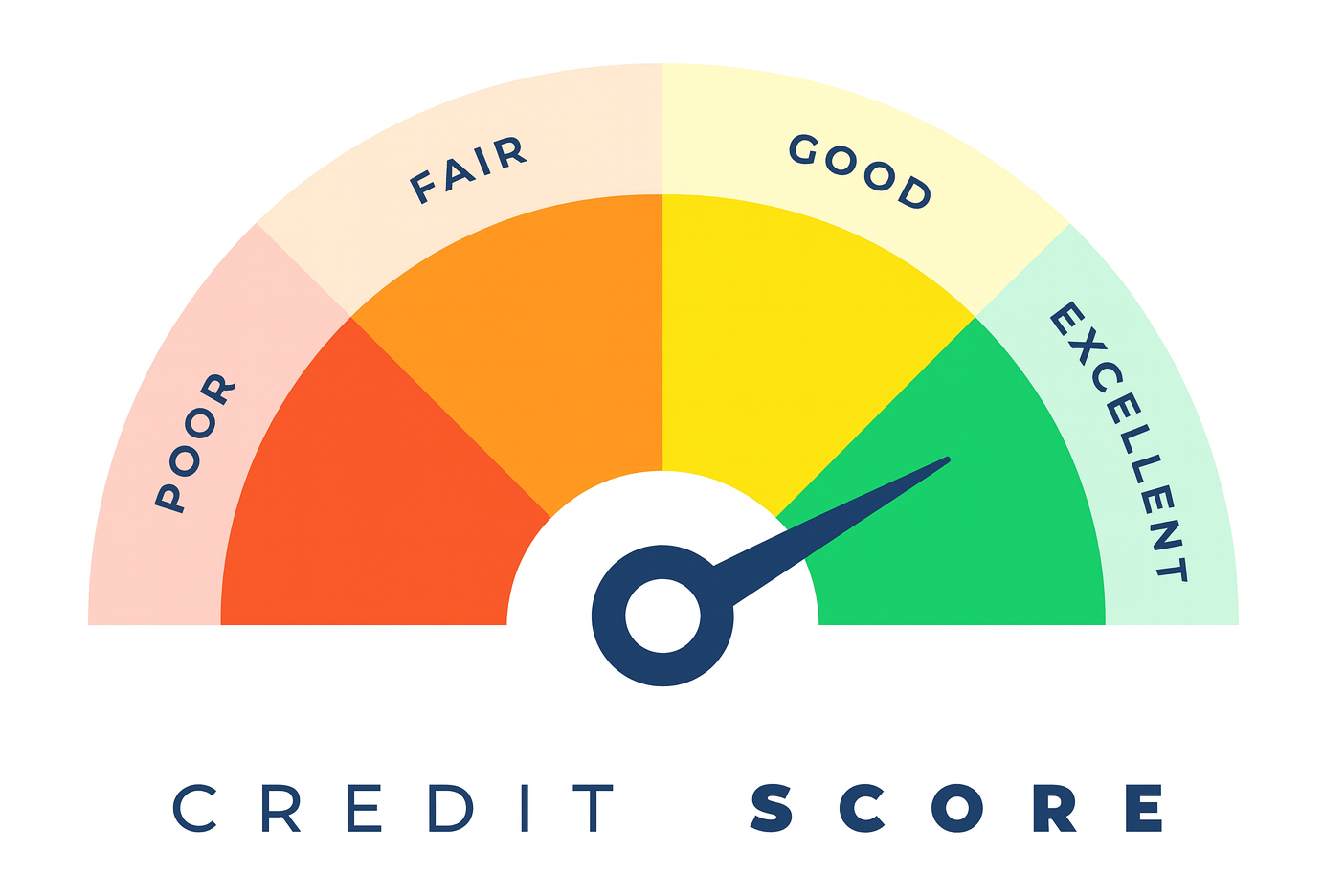
High utilization and carrying revolving balances can hurt your credit score and increase finance costs. Beware of accumulating small, recurring subscriptions that go unnoticed and inflate monthly balances. Limit new credit applications to necessary situations, since multiple hard inquiries within a short window can lower your score. Use reward programs sensibly and avoid impulse spending driven by perks.
- Check statements weekly
- Set alerts for large transactions
- Compare interest rates annually
Regular monitoring and intentional habits reduce surprises and fees. When in doubt, contact the issuer to clarify charges before paying.
Maximize Rewards Without Overspending
Align reward types with regular spending: cashback for groceries and gas, travel credits for frequent trips, or points for dining and entertainment. Calculate whether rewards offset any annual fees before committing. Avoid churning cards just for sign-up bonuses unless you have a disciplined plan for meeting spending thresholds and managing accounts. Track category rotations and plan large purchases during bonus periods.
Use rewards as an efficiency, not an incentive to spend more. Redeem points thoughtfully to maximize value.
Conclusion
Responsible card use protects your credit and reduces costs. Start with one change and build habits gradually. Over time, these strategies can improve financial flexibility and peace of mind.