Good credit is built one consistent decision at a time and understanding that process helps you make better financial choices. This guide focuses on practical behaviors that positively influence scores without complicated jargon. You will find clear actions to prioritize, common pitfalls to avoid, and simple monitoring steps. Adopt these habits gradually and stay patient for steady improvement.
Understand the components of your credit profile
Your credit profile is influenced by several weighted factors, each affecting your score differently. Payment history generally carries the most weight, followed by credit utilization, length of credit history, new credit, and credit mix. Learning how each component contributes helps you prioritize actions that have the largest impact first. Use this knowledge to target weak areas with realistic, consistent steps.
– Focus on improving late payments and reducing balances where they matter most.
– Avoid opening multiple accounts at once, which can lower average account age.
Start by checking which factor currently drags your score down and concentrate efforts there. Small improvements in the right area often yield the best returns over time.
Maintain reliable payment habits
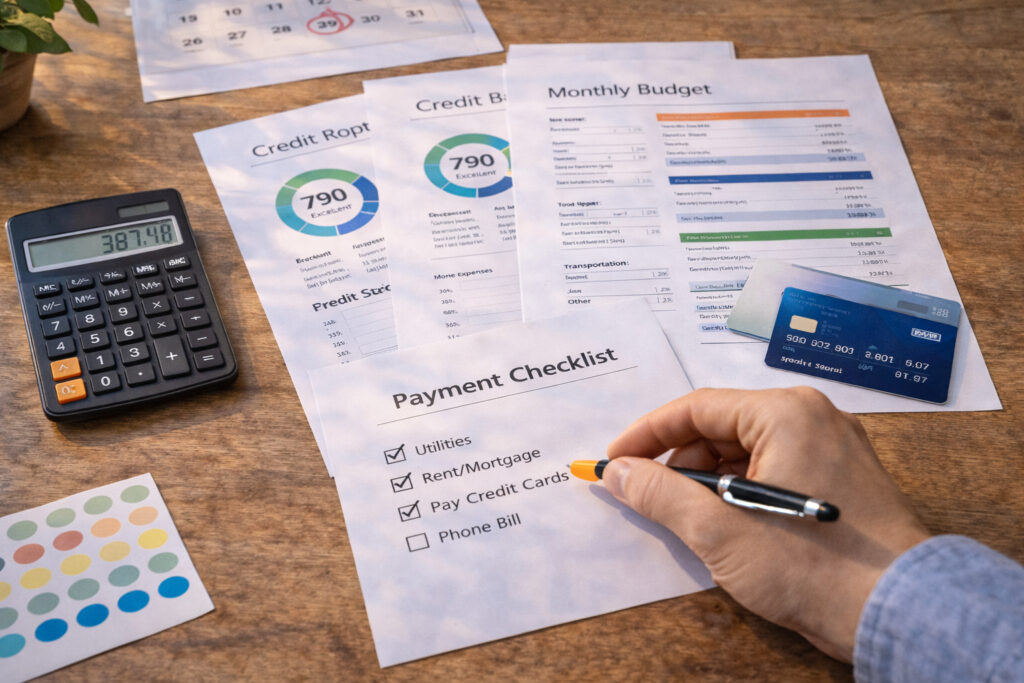
Making payments on time is the single most powerful habit for healthy credit. Set up automatic payments or calendar reminders to prevent missed due dates, and prioritize full payments where possible to reduce interest costs. If cash flow varies, pay at least the minimum on time and gradually increase payment amounts to chip away at balances. Consistency here builds a long, positive payment record that lenders value.
– Consider splitting large bills into smaller, more manageable payments.
– Communicate with creditors proactively if you face temporary hardship.
Reliable payments demonstrate responsibility and begin to repair past issues as positive entries accumulate. Over months and years this practice becomes the foundation for stronger credit.
Manage utilization and diversify responsibly
Keeping credit utilization low—ideally below 30% on each revolving account—signals lower risk to lenders and boosts scoring models. Avoid closing old accounts solely to reduce available credit, as that can raise utilization and shorten your credit history. Introducing varied types of credit only when necessary can improve your credit mix without creating excess risk. Thoughtful management beats frequent churn of accounts.
– Prioritize paying down high-interest revolving balances first.
– Use small recurring charges on a seldom-used card and pay them off monthly to keep it active.
A steady, moderate use of credit combined with timely payoffs shows prudent financial behavior. Over time, those patterns improve both your score and borrowing options.
Monitor records and correct errors promptly
Regularly reviewing your credit reports helps you spot mistakes, identity theft, or outdated information that can harm your score. Dispute inaccuracies with the reporting agency and provide documentation to resolve issues quickly. Monitoring also alerts you to new accounts or inquiries that you did not authorize, allowing fast corrective action. Staying proactive reduces surprises and preserves the benefits of your positive habits.
– Obtain reports periodically and compare entries for unfamiliar activity.
– Keep copies of dispute correspondence until matters are resolved.
Timely corrections protect your progress and ensure your profile accurately reflects your behavior. Combine monitoring with the other habits to sustain long-term improvement.
Conclusion
Focus on steady, manageable changes rather than quick fixes to build reliable credit habits. Consistent on-time payments, controlled utilization, and regular monitoring create the strongest foundation. Over time these practices expand your options and financial confidence.