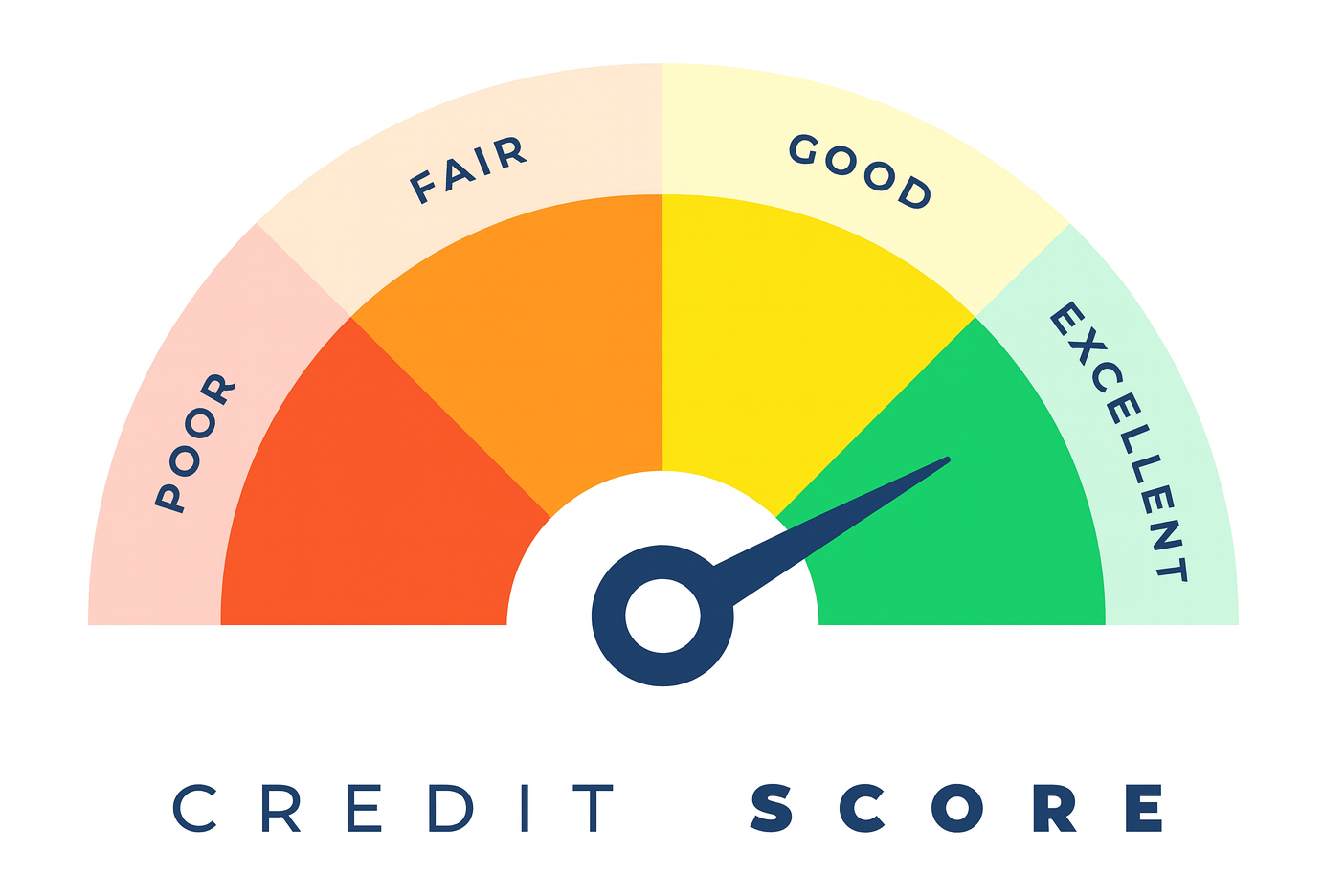
Credit cards can be powerful tools when used with intent and discipline. They offer convenience, consumer protections, and rewards that can boost everyday spending. But unmanaged use can undermine long-term financial goals and damage your credit standing. This article outlines practical strategies to balance earning benefits with maintaining healthy credit.
Choose Cards That Match Your Goals
Start by aligning a card’s features with your spending patterns and financial priorities. Evaluate rewards categories, annual fees, signup bonuses, and interest rates to determine which card delivers net value. Consider cards that consolidate rewards into flexible points or cash back if you prefer simplicity, or targeted cards if you spend more in specific categories. A well-matched card increases value without encouraging unnecessary purchases.
Avoid picking a card solely because of an attractive introductory offer. Long-term compatibility matters more than short-term incentives.
Manage Payments and Utilization
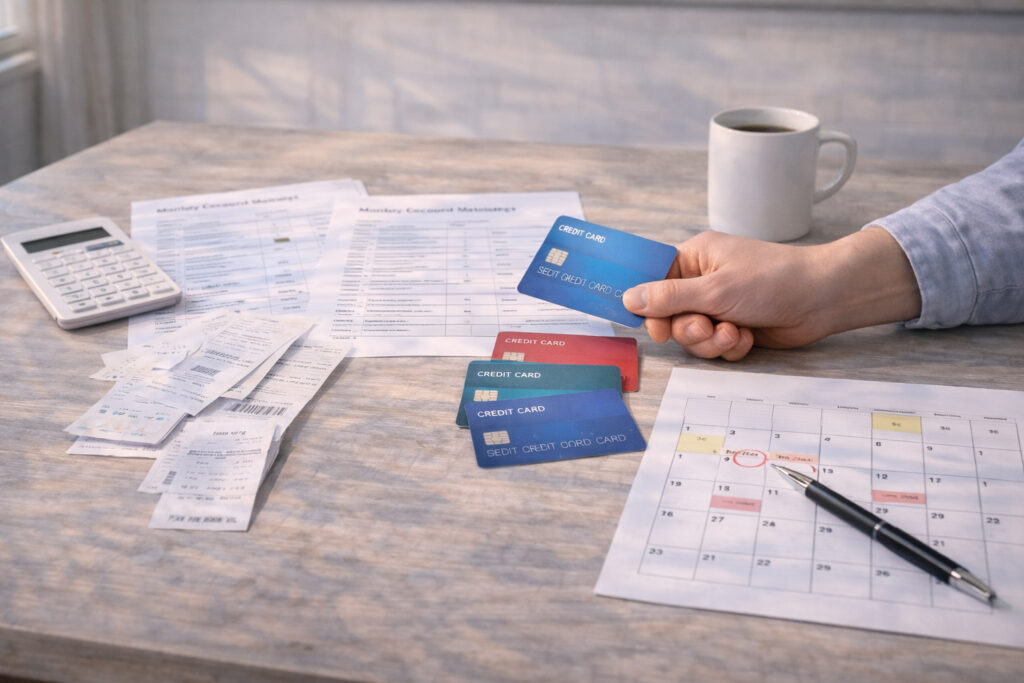
Timely payments form the backbone of responsible card use and contribute positively to your credit history. Aim to pay the full statement balance each month when possible to avoid interest, or schedule multiple payments to lower the balance reported to bureaus. Keep credit utilization low by spacing charges across cards or requesting modest credit line increases responsibly. Small habitual actions like automatic payments and calendar reminders prevent costly mistakes.
These habits reduce interest costs and support a stronger credit profile. They also simplify your monthly financial planning.
Maximize Rewards Without Overspending
Rewards are most valuable when they reflect purchases you would have made anyway. Track category rotations, expiration rules, and redemption options to extract real value over time. Use rewards to offset necessary expenses or to build an emergency buffer rather than to justify discretionary spending. Treat rewards as a bonus rather than the primary reason to buy.
- Cash back or statement credits offer straightforward flexibility.
- Point transfers and travel credits can deliver greater value when used strategically.
A modest focus on optimization yields outsized benefits. Stay disciplined and prioritize net savings over flashy earnings.
Monitor and Adjust Your Strategy
Regularly review statements, rewards balances, and your credit report to spot errors and trends that affect your score. Small changes such as moving recurring bills to a different card, requesting a credit line increase, or downgrading a card can improve utilization and reduce fees. Be cautious before closing older accounts since account age contributes to your credit history, and weigh fee savings against potential scoring impacts. Adjust the frequency of redemptions and your overall strategy as spending patterns or financial priorities change to keep the relationship with cards beneficial.
Proactive monitoring helps you capture opportunities and avoid surprises. Set a quarterly check-in to update card choices and confirm everything is working for your goals.
Conclusion
Credit cards can amplify convenience and rewards when used responsibly. By choosing appropriate products, managing payments, and treating rewards prudently, you protect your credit and increase value. Establish a simple routine to keep benefits without sacrificing long-term goals.