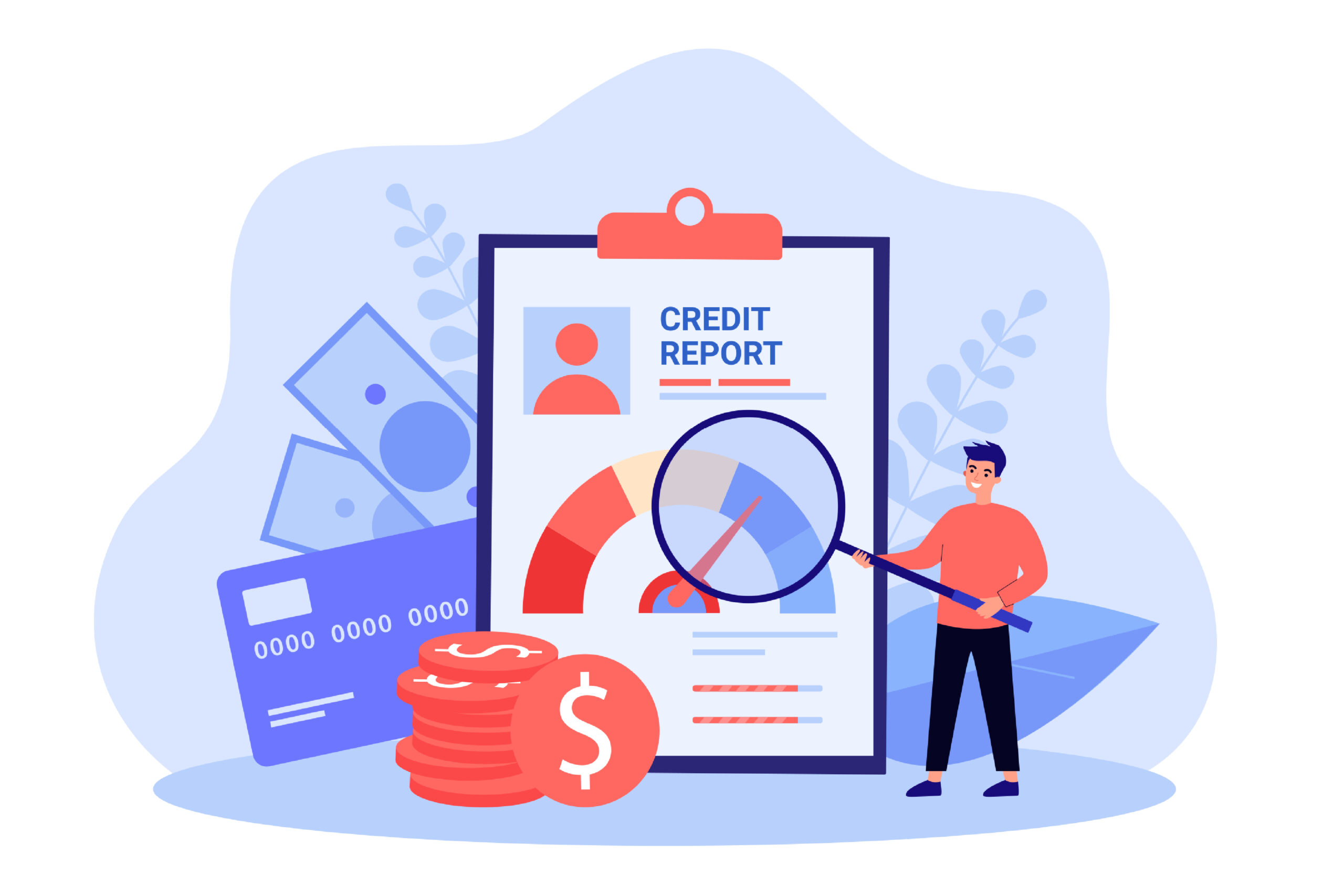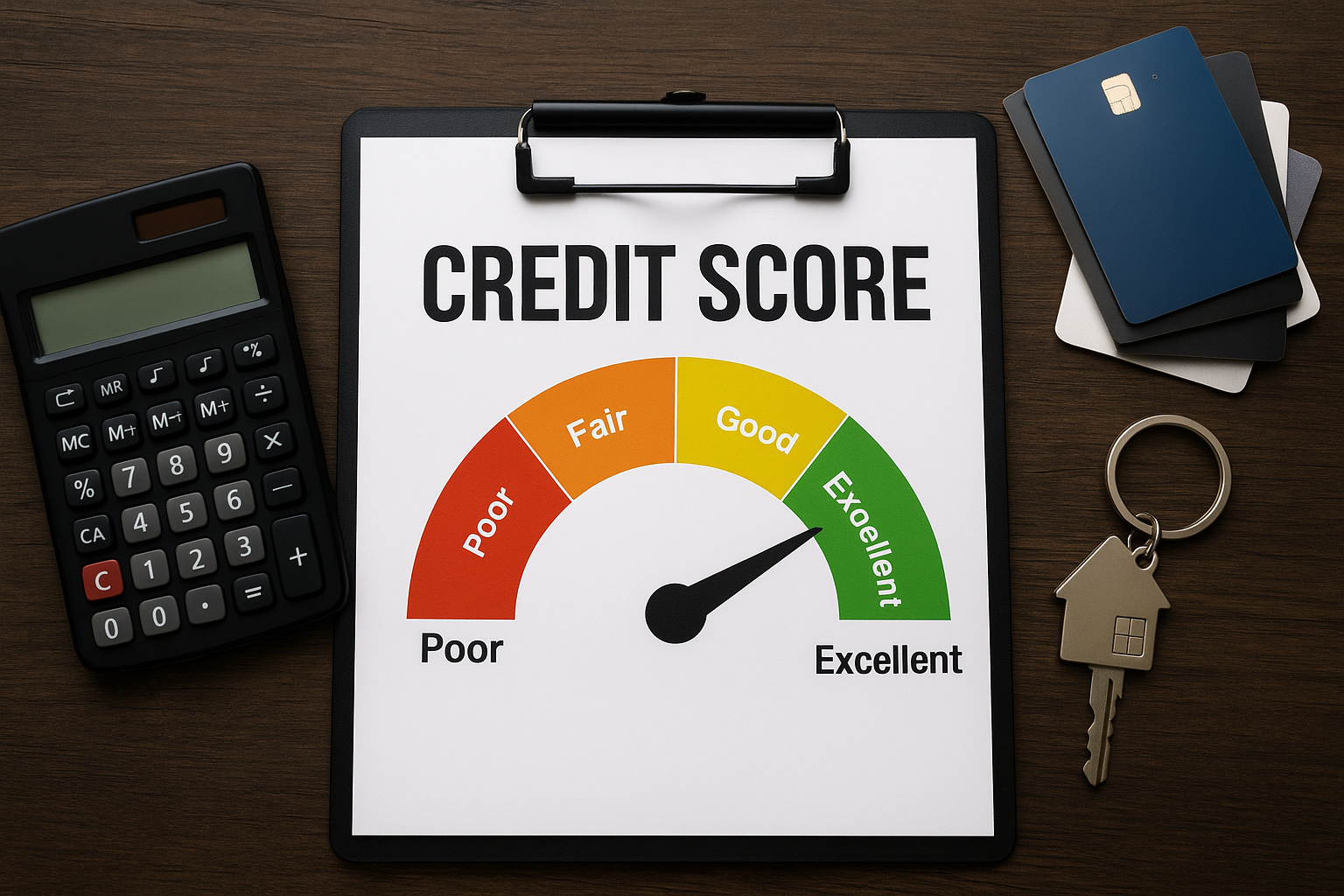
Consistent, small actions taken each month can make measurable differences in credit standing over time. Rather than dramatic moves, steady habits help build predictable behavior lenders view favorably. This article outlines practical monthly habits that support gradual, sustainable score improvements. Use these steps to create a repeatable routine that fits your financial life.
Why small habits compound
Credit scoring models reward patterns: punctual payments, low utilization, and stable account activity show responsible management. Small monthly habits compound because they reinforce those positive signals over many reporting cycles. Even modest changes sustained across several months can shift averages and reduce risk indicators. The momentum created by repeated good behavior often has a larger impact than occasional large payments.
Focusing on manageable tasks reduces the chance of burnout and mistakes. When habits are simple, they are easier to stick with and measure.
Monthly actions to prioritize
Start with things that directly influence scores: pay at least the minimum on time, monitor account balances, and avoid maxing out cards. Set calendar reminders or automated transfers to ensure payments post before statements close. Regularly review recent transactions to catch errors and spot unexpected charges that could affect balances. Prioritizing these actions simplifies decision-making and keeps reports clean.
- Schedule a single monthly payment date aligned to your cash flow.
- Pay down balances below 30% of limits where possible.
- Order a credit report check once a month to review new entries.
These habits are straightforward and can be layered into existing routines. Over time, they reduce volatility and improve how accounts appear to scoring models.
Managing accounts and utilization
Account-level choices influence utilization and length of credit, two important components of scores. Keep older accounts open unless there is a compelling reason to close them, and use newer accounts sparingly to build age without excessive risk. Rotate small charges on multiple cards and pay them off to maintain low utilization ratios. When balances are elevated, focus on paying down the highest-ratio accounts first to gain immediate benefit.
Thoughtful account management balances the benefits of available credit with the need to show consistent, low usage. Small monthly adjustments help maintain healthy ratios without dramatic shifts.
Monitoring tools and timing
Use free or low-cost monitoring tools to receive alerts about changes and to view score trends. Pay attention to when issuers report balances — making payments before the statement closing date can lower the reported utilization. Track progress with monthly checkpoints so you can celebrate improvements and adjust strategies if needed. Timely insight prevents surprises and enables proactive responses.
Regular monitoring complements monthly habits by turning passive maintenance into an active process. It also helps you spot and dispute inaccuracies quickly.
Conclusion
Small, consistent monthly habits build the foundation for sustainable credit improvement. By prioritizing on-time payments, managing utilization, and monitoring activity, you create positive reporting patterns. Stick with these practices and reassess periodically to keep progress on track.