Credit cards are a flexible tool when used with intention.
They can support short-term needs and long-term financial plans.
Matching card features to your habits reduces fees and maximizes benefits.
This article offers practical steps to build a manageable credit card routine.
Start with clear financial priorities
Begin by mapping your monthly cash flow and defining short- and medium-term goals. Assess which expenses you want to charge, which debts you aim to pay down, and whether you value cash flow flexibility or minimizing interest costs. Understanding these priorities helps you choose cards that complement rather than complicate your budget. It also clarifies when a card’s rewards justify its fees.
Set simple rules for card use, such as which categories to charge and a monthly pay-off target. These rules should align with your goals so decisions become automatic and discipline is easier to maintain.
Select cards that fit your real behavior
Not every card suits every spender; look for features that match how you actually spend. Compare rewards categories, average interest rates, annual fees, and introductory offers against your spending patterns. Consider whether a flat-rate rewards card, a category-specific card, or a low-interest option will serve you best. Evaluate the total value over a year rather than being swayed by short-term bonuses.
- Rewards: prioritize categories you already buy most often.
- Costs: tally annual fees versus expected rewards.
- Flexibility: check redemption options and any blackout or transfer limits.
Choosing deliberately keeps benefits realistic and reduces the temptation to overspend to chase points or cash back. Periodically revisit this choice as needs change.
Build habits to protect credit and reduce cost
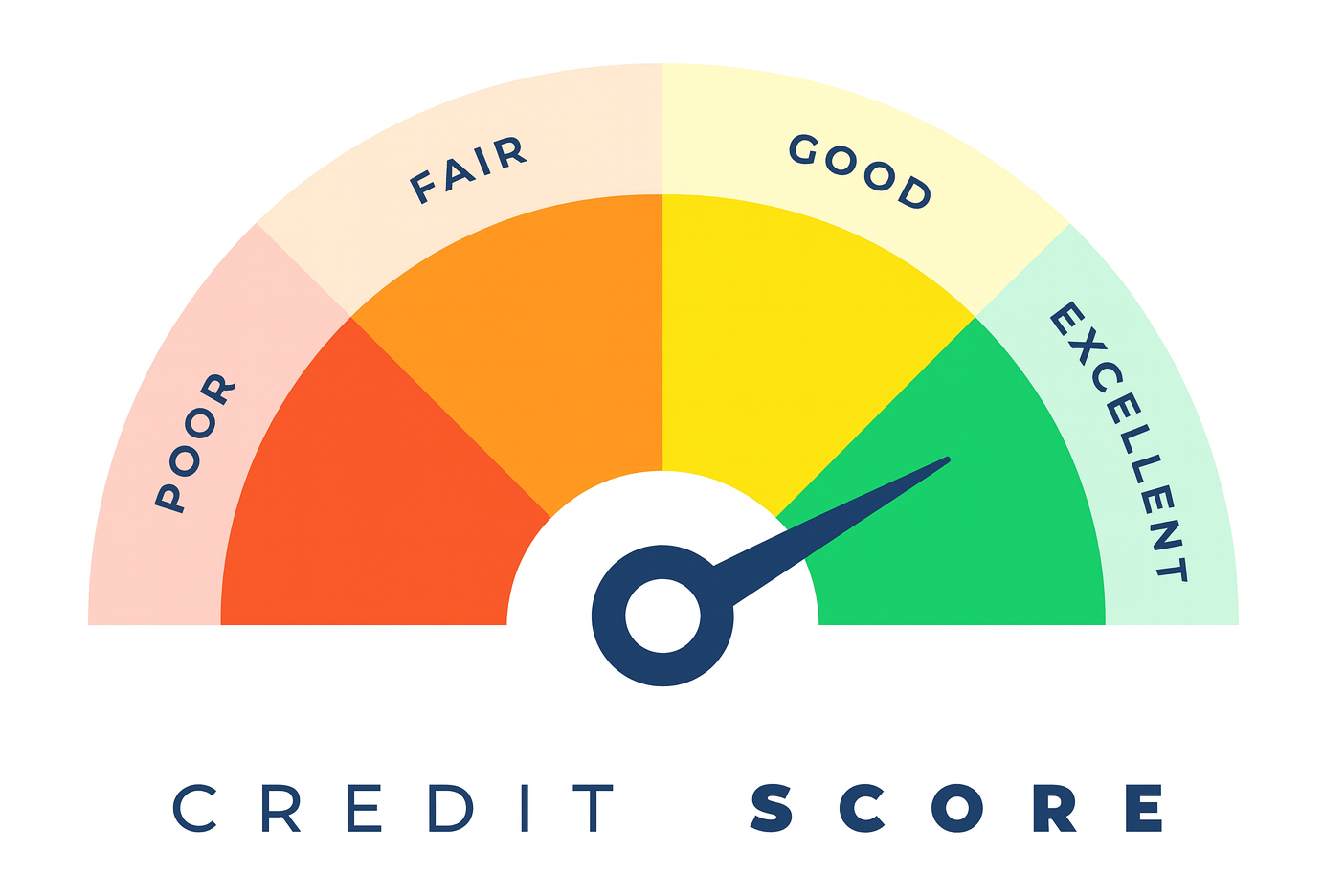
Strong habits cut interest and preserve your score: pay on time, keep balances low relative to limits, and review statements for errors. Automate payments to avoid late fees and consider multiple payments each month to lower average daily balances. Monitor your credit reports and dispute inaccuracies promptly; this protects your borrowing power and may lower future rates. If carrying a balance, focus on the highest-rate debt first or consolidate if it yields a meaningful rate reduction.
Good habits help you extract rewards without paying for them in interest and fees. They make your credit cards a tool for efficiency rather than a source of stress.
Conclusion
Adopt a disciplined, goal-focused approach to using credit cards.
Match card features to your spending and automate safeguards where possible.
Over time, consistent habits deliver convenience, rewards, and healthier finances.