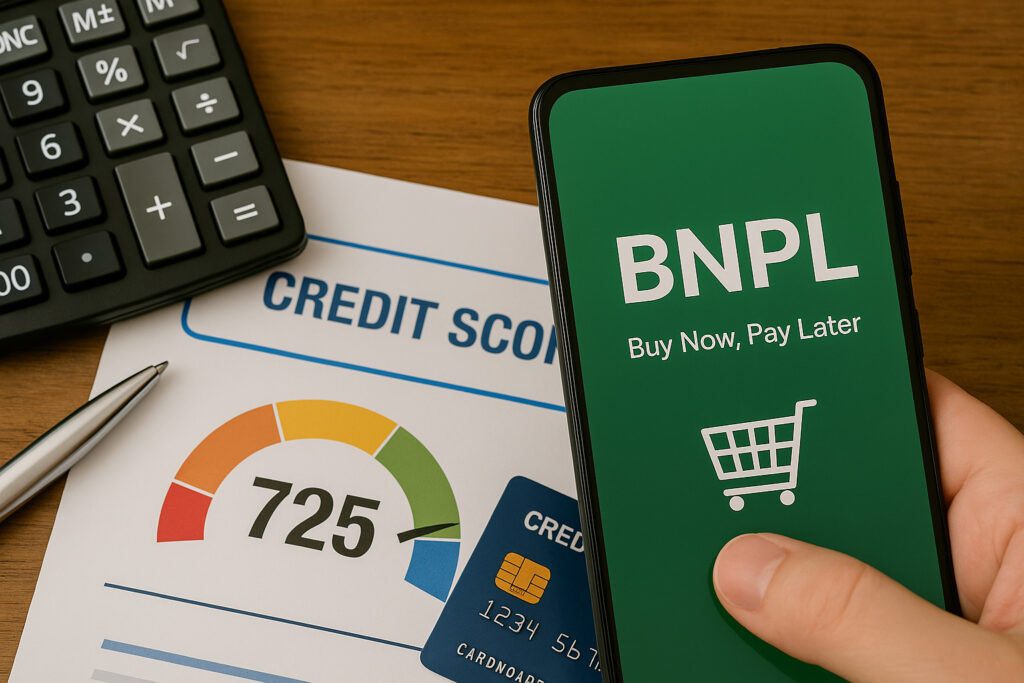
Buy Now, Pay Later (BNPL) services have changed how consumers shop and manage short-term payments. With just a few clicks, you can split purchases into easy installments without using a traditional credit card. While BNPL options offer convenience, many users don’t fully understand their effect on credit scores. Knowing how these services interact with your financial profile is crucial for maintaining a healthy credit history.
What Are BNPL Services?
BNPL services allow customers to purchase goods or services immediately and pay over time, usually in interest-free installments. Popular providers include fintech platforms and digital wallets that partner with online retailers. These services appeal to younger consumers because they offer flexibility and instant approvals—often without a formal credit check.
How BNPL Affects Your Credit Score
The impact of BNPL on credit depends on how the provider reports your activity to credit bureaus. Some BNPL companies do not share repayment data, while others are beginning to include it in credit files.
1. Hard and Soft Credit Checks
Some BNPL providers perform only a soft check (which doesn’t affect your score), while others use hard inquiries that can temporarily lower your credit score. Frequent applications across multiple platforms can have a cumulative impact.
2. Payment History
On-time payments may help demonstrate responsible borrowing, but missed or late payments can hurt your score if reported. As BNPL services evolve, repayment data is increasingly being shared with credit agencies, making consistency more important.
3. Credit Utilization and Debt Levels
Even though BNPL doesn’t function like a traditional credit card, having multiple open BNPL accounts may increase your overall debt exposure. High usage without prompt repayment can signal risk to lenders reviewing your credit profile.
The Hidden Risks of Convenience
The simplicity of BNPL can sometimes lead to overspending. Small, manageable payments can accumulate quickly, making it harder to track multiple due dates. Missing a single payment can trigger penalties or affect future borrowing capacity, especially as reporting systems become more transparent.
How to Use BNPL Responsibly
-
Track all your BNPL purchases and repayment dates carefully.
-
Link payments to reminders or auto-debit features to avoid missed deadlines.
-
Limit the number of active BNPL accounts to maintain manageable debt levels.
-
Check your credit report regularly to monitor any changes or updates related to BNPL usage.
Conclusion
BNPL services offer flexibility and short-term relief, but they’re not risk-free. As credit bureaus begin factoring BNPL data into reports, your repayment habits can directly influence your credit score. Using BNPL responsibly—by paying on time and managing spending—can protect your financial health and strengthen your credit profile.