Understanding Credit Card Interest Rates

Credit cards offer convenience and flexibility, but understanding how interest rates work is essential to avoid costly debt. Many people use credit cards without realizing how interest accumulates or how rates vary based on usage. Gaining clarity on these concepts can help you make smarter financial decisions and keep your credit healthy.

What Are Credit Card Interest Rates?

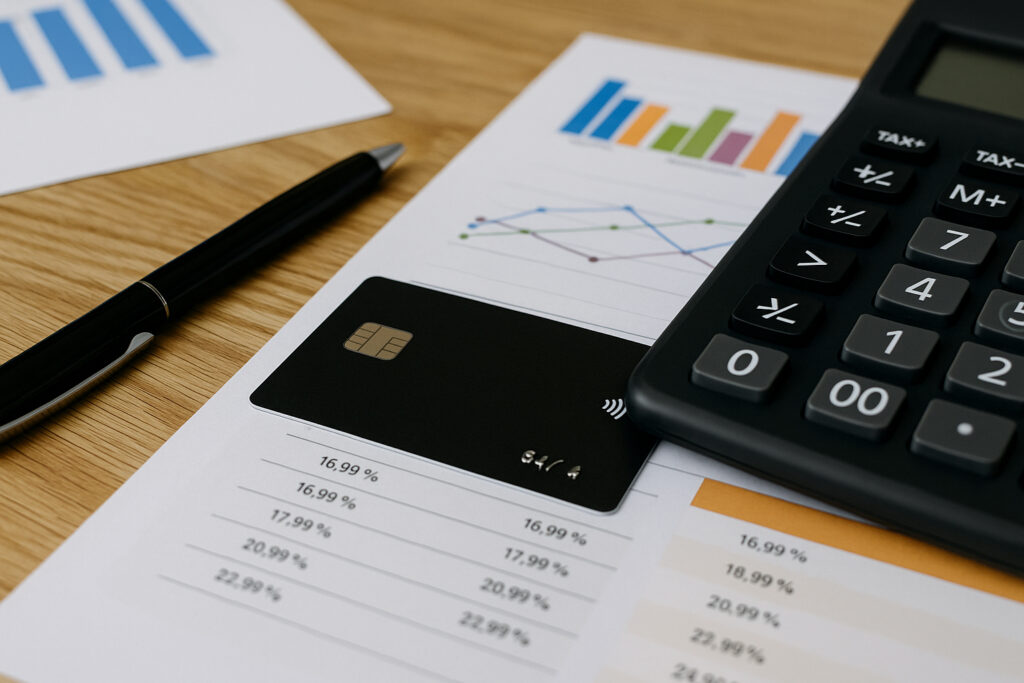
A credit card interest rate, also known as the Annual Percentage Rate (APR), is the cost you pay for borrowing money from your credit card issuer. It’s expressed as a yearly percentage, but it typically applies monthly if you carry a balance. When you don’t pay off your full balance by the due date, the remaining amount starts accruing interest based on your APR. Different types of transactions — such as purchases, balance transfers, and cash advances — can each have their own rate.

How Interest Is Calculated

Credit card interest is usually calculated using your average daily balance. The issuer divides your APR by 365 to find your daily periodic rate, then multiplies it by your balance each day. For example, if your APR is 18%, your daily rate is roughly 0.049%. If your daily balance averages $1,000, you’ll pay about $0.49 in interest per day — which can quickly add up over a month. Compounding interest means that unpaid interest can also start accruing interest, making it harder to pay off debt over time.

Fixed vs. Variable Rates

Credit card APRs can be fixed or variable. A fixed rate stays the same unless your lender notifies you of a change, while a variable rate fluctuates with market conditions — often tied to the prime rate. Understanding which type you have helps you plan ahead, especially during times of economic fluctuation. When interest rates rise nationally, variable APRs can increase without warning, impacting your monthly payments.

Tips to Manage and Reduce Interest

The best way to avoid paying interest is to pay your balance in full each month. If that’s not possible, focus on paying more than the minimum amount due to reduce your balance faster. You can also look for introductory 0% APR offers or balance transfer cards to consolidate debt at a lower rate temporarily. Maintaining a good credit score can help you qualify for lower interest rates over time. Finally, monitor your statements regularly to spot unexpected rate changes or additional fees.

Conclusion

Understanding credit card interest rates is key to staying in control of your finances. By learning how APRs work and managing your payments strategically, you can minimize interest costs, protect your credit score, and make your credit card work for you — not against you.

Building Credit with a Secured Credit Card

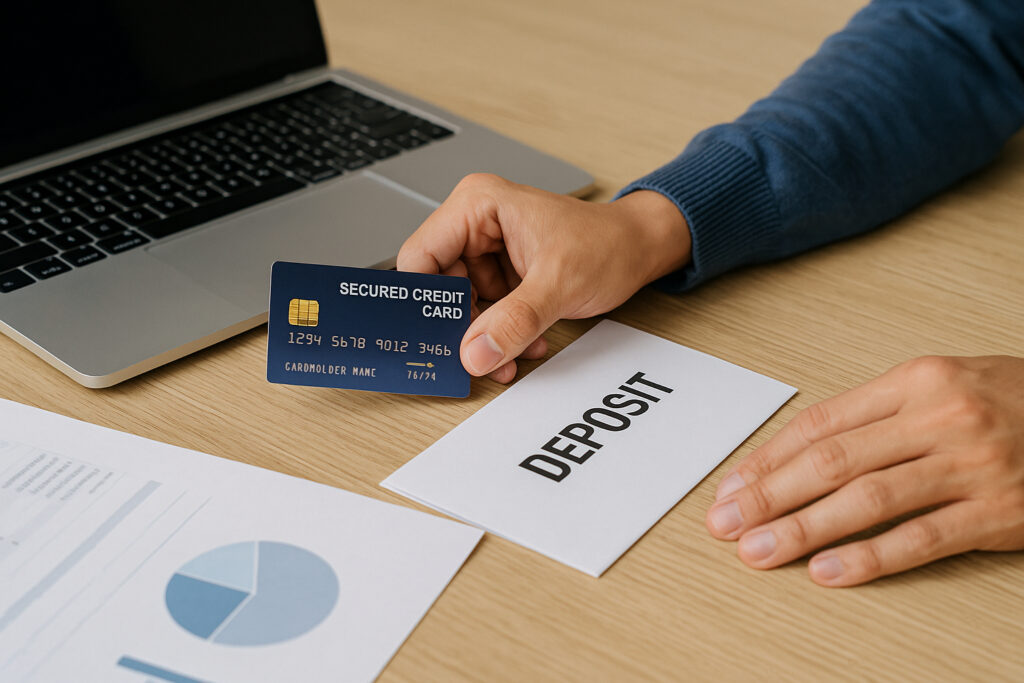
For individuals new to credit or trying to rebuild their financial reputation, a secured credit card can be a valuable starting point. Unlike traditional cards, secured cards require a refundable deposit that serves as collateral and determines your credit limit. They help establish a positive payment history, which is crucial for improving your credit score over time. Used wisely, a secured card can open the door to financial independence and better borrowing opportunities.

Benefits of Using a Secured Credit Card

The main advantage of a secured card is its accessibility. Even with poor or no credit history, approval is typically easier since the deposit reduces the lender’s risk. Regular, on-time payments are reported to credit bureaus, gradually improving your credit score. Additionally, secured cards encourage disciplined spending habits because your limit is tied to your deposit, making it easier to manage expenses and avoid excessive debt. Over time, responsible use can help you qualify for unsecured credit cards and better financial products.

How to Use It Effectively

To maximize the benefits, use your secured card strategically. Keep your credit utilization below 30% of your available limit and pay your balance in full each month to avoid interest charges. Set up payment reminders or automatic payments to ensure consistency. Avoid applying for multiple credit products at once, as this can lead to hard inquiries that temporarily lower your score. Regular monitoring of your credit report helps track progress and detect errors early.

Common Mistakes to Avoid

A secured card can harm your credit if misused. Late or missed payments are still reported to credit bureaus, negatively impacting your score. Closing the account too early may also erase your growing credit history. Lastly, carrying high balances defeats the purpose of improving credit utilization ratios. Treat your secured card as a steppingstone — not a long-term dependency — in your credit-building journey.

Conclusion

A secured credit card is an excellent tool for anyone looking to build or rebuild credit responsibly. With consistent use and timely payments, it can strengthen your credit profile and pave the way for financial stability. Remember, the key lies in discipline and long-term commitment to sound financial habits.

Balance Transfers Explained: Pros and Cons

Balance transfers can be a smart financial tool when used strategically, offering a way to consolidate debt and save on interest. Many credit card companies promote balance transfer offers with low or even 0% introductory rates, attracting those struggling with high-interest balances. However, while these offers can provide relief, they also come with potential drawbacks. Understanding how balance transfers work—and when to use them—can help you make informed financial decisions.

The Advantages of Balance Transfers

The most obvious advantage is interest savings. By reducing or eliminating interest temporarily, you can direct more of your payments toward reducing the principal. Another benefit is debt consolidation, which simplifies financial management by combining multiple balances into a single payment. This can also improve your credit utilization ratio, potentially boost your credit score if manage responsibly. For disciplined borrowers, a balance transfer provides a valuable window to clear debts faster without accumulating extra interest.

The Hidden Drawbacks

Despite the appeal, balance transfers are not free of risks. Once the promotional period ends, the interest rate often jumps sharply—sometimes even higher than your original rate. Additionally, any missed payments can cancel the promotional offer, reinstating full interest charges. The balance transfer fee can also reduce your savings if the transferred amount is small or if repayment takes longer than expected. Another pitfall is the temptation to continue spending on the old card after transferring the balance, leading to more debt instead of less.

When a Balance Transfer Makes Sense

A balance transfer works best when you have a clear repayment plan and strong financial discipline. If you can pay off most or all of the balance before the introductory rate expires, the savings can be substantial. It’s also effective for consolidating multiple credit card debts into one manageable account. However, if you tend to miss payments or carry balances beyond the promotional period, the costs can outweigh the benefits.

Conclusion

Balance transfers can be a powerful tool for managing credit card debt—when used wisely. They offer a temporary escape from high interest but require careful planning and discipline. Evaluate the fees, terms, and repayment timeline before making a move to ensure it truly benefits your financial goals.

How Many Credit Cards Should You Really Have?

There is no one-size-fits-all answer to how many credit cards a person should have, but most credit experts recommend holding at least one to build or maintain a good credit history. Having two to three credit cards is generally considered ideal for most people, as this balance allows you to enjoy diverse rewards, a better credit utilization ratio, and backup options while keeping account management practical.

Why Have Multiple Credit Cards?

  • Improve Credit Score: More cards can boost your available credit, lowering your credit utilization ratio—an important factor in your credit score.

  • Maximize Rewards: Different cards offer unique rewards, cashback, or travel benefits; using multiple cards strategically helps maximize value.

  • Backup and Convenience: If a card is lost or temporarily blocked, others serve as backups for emergencies.

Potential Downsides

  • Complexity: Managing more cards increases the risk of missed payments or annual fees.

  • Credit Impact: Each application triggers a hard inquiry and holding too many cards, if not managed well, might hurt your credit.

Expert Recommendations

  • Minimum: One credit card is sufficient for building credit.

  • Ideal Range: Two to three credit cards offer the right mix of benefits and simplicity for most individuals.

  • Customize by Lifestyle: Ultimately, the right number depends on personal spending habits, financial goals, and the ability to manage payments responsibly.

How to Spot and Report Suspicious Credit Card Activity

Credit card fraud and unauthorized use remain significant concerns. Spotting suspicious activity early and reporting it promptly can prevent financial loss and identity theft.

  • Common Signs of Suspicious Activity:

    • Unrecognized transactions or charges on statements.

    • Multiple small transactions in a short period.

    • Unexpected decline of transactions despite available credit.

    • Notifications about password resets or changes you did not initiate.

  • Monitor Regularly: Regularly reviewing credit card statements and using mobile alerts for every transaction helps detect fraud early.

  • Protect Your Card Information: Avoid sharing card details and be cautious when using cards online or in unfamiliar places.

  • Report Immediately: Contact your card issuer or bank immediately if you notice any suspicious transactions. Most banks provide 24/7 fraud helplines.

  • Freeze or Block Your Card: Temporarily freezing the card through the bank’s app or customer service can prevent further unauthorized use while the issue is resolved.

  • File a Police Report if Necessary: For significant fraud cases, a police complaint helps in investigations and formal documentation.

  • Use Fraud Protection Services: Some credit cards come with fraud detection and zero-liability policies, offering additional security and peace of mind.

Being vigilant and proactive is key to protecting your financial health in the digital age.

Different Types of Credit Cards and Their Benefits

Credit cards come in various types, each designed to suit different spending habits and lifestyle needs. Choosing the right card can maximize benefits and rewards.

  • Basic Credit Cards: Ideal for everyday spending with low or no annual fees. They provide rewards points on general purchases and discounts on common expenses like dining and movies.

  • Rewards Credit Cards: Offer points or cashback on every purchase, which can be redeemed for gifts, discounts, or statement credits. Some cards specialize in rewarding specific categories such as groceries or online shopping.

  • Travel Credit Cards: Designed for frequent travelers, these cards offer airport lounge access, flight ticket discounts, travel insurance, and reward points on travel bookings. They can also provide benefits like free hotel stays and concierge services.

  • Premium Credit Cards: These come with higher credit limits and enhanced perks like exclusive event access, concierge service, and complimentary airport lounge access. They usually require a higher income and offer lifestyle-related benefits such as golf and wellness discounts.

  • Co-branded Credit Cards: Issued in partnership with brands, airlines, or retailers, these cards offer extra rewards and benefits when used within the partner network, such as extra air miles or shopping discounts.

  • Fuel Credit Cards: Focused on fuel purchases, these cards provide cashback or discounts at petrol pumps and can offer additional rewards on other categories.

How to Protect Yourself from Credit Card Fraud

Credit cards make everyday life easier, but they also come with risks—especially fraud. Credit card fraud is one of the most common types of financial crime, and it can happen to anyone, from a stolen card number to phishing scams. The good news? With a little awareness and some smart habits, you can significantly reduce your chances of becoming a victim.

1. Monitor Your Accounts Regularly

Check your credit card statements frequently, not just once a month. Many banks offer mobile apps with real-time transaction alerts—enable them. The quicker you catch suspicious activity, the faster you can report it and prevent bigger losses.

2. Use Strong Passwords and Two-Factor Authentication

If you shop online, your accounts may store card information. Protect them with:

  • Strong, unique passwords (avoid reusing across multiple sites).

  • Two-factor authentication (2FA) for an extra layer of security.

3. Be Cautious with Online Shopping

  • Only shop on secure websites (look for “https://” and a padlock symbol).

  • Avoid making purchases over public Wi-Fi. Use a VPN if necessary.

  • Consider using virtual cards or digital wallets like Apple Pay or Google Pay, which mask your actual card number.

4. Watch Out for Phishing Scams

Fraudsters often send emails, texts, or calls pretending to be your bank. Red flags include:

  • Urgent language (“Your account will be closed if…”)

  • Requests for sensitive data (passwords, PINs, card details)

  • Suspicious links—always verify the source before clicking.

5. Keep Your Card Information Secure

  • Don’t share your credit card number over the phone unless you initiated the call.

  • Keep physical cards safe and shred old statements.

  • If your card is lost or stolen, report it immediately.

6. Use Credit Over Debit When Possible

Credit cards often provide stronger fraud protection compared to debit cards. With credit cards, fraudulent charges can usually be reversed quickly without impacting your bank balance.

7. Review Your Credit Report

Regularly check your credit report for accounts or inquiries you don’t recognize.

Final Thoughts

Credit card fraud is a growing concern, but you’re not powerless against it. By monitoring your accounts, practicing safe online habits, and staying alert to scams, you can safeguard your finances and enjoy the convenience of credit with confidence.

How to Choose the Right Credit Card for Your Needs

With so many credit card options available, choosing the right one can be overwhelming. The best credit card for you depends on your spending habits, lifestyle, and financial goals.

If you’re someone who loves traveling, consider a card that offers travel rewards, free airport lounge access, or airline miles. For those who frequently shop online or offline, cashback and rewards cards are ideal. Students or beginners should look for entry-level cards with low annual fees and simple reward structures.

Another important factor is the interest rate (APR). If you often carry a balance, a low-interest credit card will save you money. Also, check for hidden charges like annual fees, foreign transaction fees, and late payment penalties.

Lastly, ensure the card reports to credit bureaus so it helps in building your credit history. Choosing the right card is about balancing benefits with costs. Take time to research, compare, and select the one that aligns with your lifestyle.

Smart Credit Card Habits to Build a Strong Financial Future

Credit cards can be powerful tools when used responsibly. They not only provide convenience for everyday purchases but also help in building a good credit history. However, if not managed carefully, they can lead to debt and financial stress.

One of the smartest habits is paying your credit card bill in full and on time each month. This helps you avoid interest charges and late payment fees. Another important habit is keeping your credit utilization low—ideally under 30% of your credit limit. This shows lenders that you’re financially disciplined.

Additionally, take advantage of credit card rewards, cashback, and perks, but only if you can manage your spending. Overspending just to earn points can backfire. Always monitor your statements for errors or fraudulent charges to ensure your financial security.

When used wisely, credit cards can be steppingstones toward better financial opportunities such as loans and mortgages. Build habits today that will benefit your future.

Common Mistakes That Hurt Your Credit Score

Your credit score is one of the most important aspects of your financial health, but many people unintentionally damage it without realizing. Small mistakes can have a long-term impact, so it’s important to be aware of what to avoid.

One common mistake is missing payments. Even a single late payment can lower your score significantly. Another issue is using too much of your available credit, which signals to lenders that you might be financially stretched. Constantly applying for new credit cards can also hurt, as multiple inquiries make you look risky.

To keep your score healthy, focus on consistent habits: pay bills on time, use less than 30% of your available credit, and avoid unnecessary debt. Building good credit takes time, but avoiding these mistakes will help you move in the right direction.