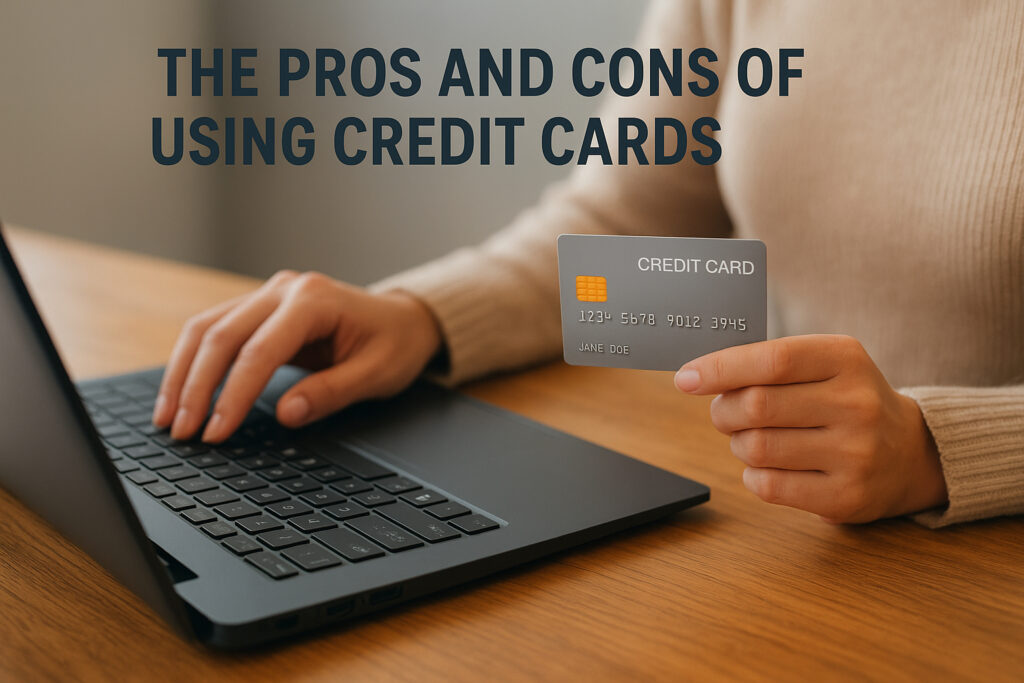
The Pros and Cons of Using Credit Cards

Credit cards have become an essential part of modern financial life. They offer convenience, security, and the ability to build credit, but they also come with risks if not used wisely. Let’s explore both the advantages and disadvantages.

Pros of Using Credit Cards

  1. Convenience – Credit cards allow you to make purchases without carrying cash. They’re widely accepted both online and in stores.

  2. Build Credit History – Responsible usage helps establish a strong credit score, which is important for loans, mortgages, or even renting an apartment.

  3. Rewards and Cashback – Many credit cards offer cashback, reward points, or travel miles that can save you money.

  4. Purchase Protection – Most credit cards provide fraud protection, extended warranties, and chargeback rights for faulty goods.

  5. Emergency Funds – Credit cards can be a financial backup during unexpected expenses.

Cons of Using Credit Cards

  1. High Interest Rates – Carrying a balance can lead to hefty interest charges.

  2. Debt Trap – Overspending can result in accumulating debt that becomes hard to manage.

  3. Impact on Credit Score – Late payments or high credit utilization can lower your credit rating.

  4. Annual Fees – Some cards charge high fees that may outweigh the benefits.

  5. Hidden Costs – Foreign transaction fees, late fees, and penalty APRs can add up quickly.

Final Thoughts
Credit cards are powerful financial tools when managed responsibly. Paying balances in full, monitoring spending, and avoiding unnecessary debt are key to reaping the benefits while minimizing the drawbacks.

Smart Ways to Use Credit Without Falling Into Debt

Credit cards and loans can be powerful tools when used wisely. But if mismanaged, they can quickly spiral into overwhelming debt. The key is learning to use credit smartly for convenience and growth without harming your financial health.

Smart Credit Habits

  1. Pay in Full, On Time – Always clear your credit card bill before the due date to avoid interest charges.
  2. Track Spending – Use apps or statements to monitor where your money is going.
  3. Avoid Minimum Payments – Paying only the minimum amount due keeps you in debt longer.
  4. Leverage Rewards – Take advantage of cashback, reward points, and discounts, but only on planned purchases.
  5. Borrow Only What You Need – Don’t overextend with unnecessary loans or extra credit cards.

Benefits of Smart Credit Use

  • Builds a strong credit history.
  • Provides financial flexibility during emergencies.
  • Offers perks like travel rewards, discounts, and insurance coverage.

Conclusion

Credit is not the enemy—it’s a tool. When managed responsibly, it helps you build wealth, enjoy rewards, and handle financial challenges with ease. The secret lies in discipline and mindful borrowing.

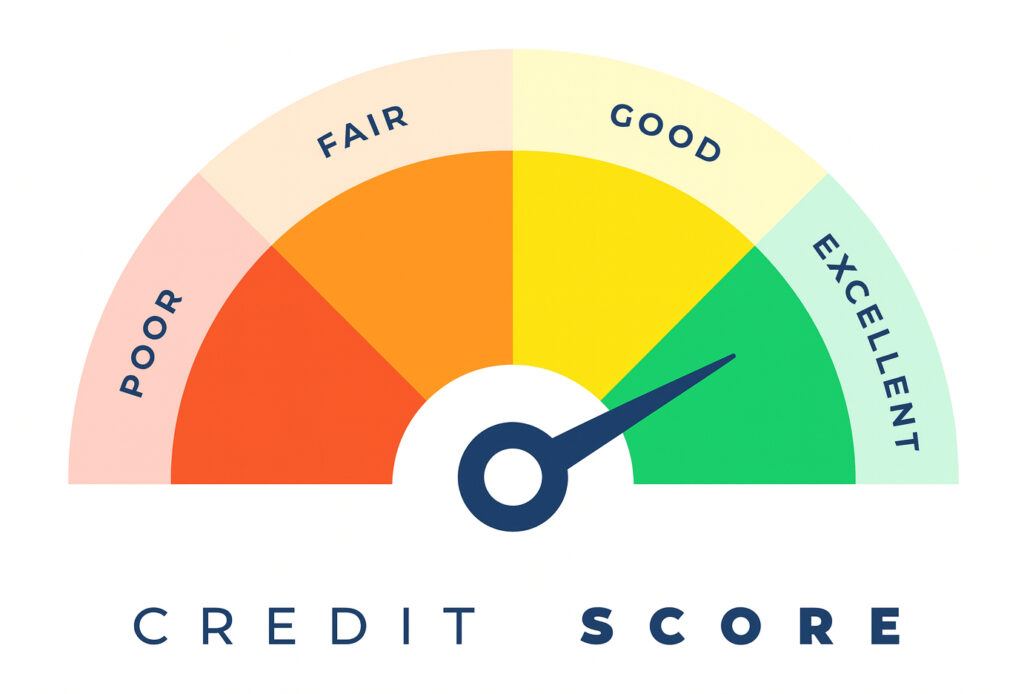
Understanding Credit Scores – Your Financial Report Card

Introduction

Your credit score is more than just a number—it’s your financial identity. It tells lenders how reliable you are when it comes to borrowing and repaying money. Whether you want a home loan, car loan, or even a new credit card, your credit score plays a vital role.

What is a Credit Score?

A credit score is a three-digit number (usually between 300–900) calculated based on your borrowing and repayment history. The higher the score, the better your chances of getting approved for loans with favorable terms.

Factors That Affect Your Credit Score

  1. Payment History – On-time bill and EMI payments improve your score.

  2. Credit Utilization – Using less than 30% of your available credit keeps your score healthy.

  3. Credit Mix – A balance of credit cards and loans shows responsible borrowing.

  4. Length of Credit History – The longer your credit history, the better.

  5. Hard Inquiries – Frequent loan or card applications can reduce your score.

Why It Matters

  • Easier loan approvals.

  • Lower interest rates.

  • Better credit card offers.

Conclusion

Think of your credit score as a financial passport. Maintaining a strong score not only improves access to credit but also saves you money in the long run.

How To Avoid Fraudulent Credit Card Charges

Fraudulent charges happen everyday on credit cards. That’s why identity theft protection is a multi billion dollar industry. People want to protect themselves in the event of a security breach.

In order to avoid liability for fraudulent charges, be proactive about checking your credit card accounts often. Also sign up for spending alerts so you’ll know when a purchase has been made.  Some companies give daily alerts. Or, the moment a purchase happens.

See More

Most Important Items To Check On Your Credit Card Statement

Areas of your credit card statement to pay attention to:

Finance charges. These charges are the amount of money you will be charged if you do not pay off your balance in full.

Grace period. This is the period of time you have to until your payment will be deemed as late.

There is also an area that will break down how your current debt was calculated.

Use this information as your tool for helping you manage your credit. The more you understand, the more power you have over your finances.

High Interest Rates On Store Credit Cards

You don’t want to finance purchases on your retail card because they typically carry a high APR rate. It’s best to not carry your balance and to instead pay it off before interest accrues. Most store cards may only offer awards worth only 1% of your spending. In other cases, non-store cards may offer up to 2% cashback on all purchases. It’s better to just use your retail cards for purchases in the store and to pay the balance off as soon as possible.

See More Here