Credit scores influence access to credit and the cost of borrowing for a wide range of financial goals, yet they are often misunderstood. This article explains how scores are built and offers clear, research-backed strategies to improve them over time. Whether you are starting to build credit or repairing a low score, practical steps, applied with consistent effort, can make a measurable difference. Read on for actionable advice, monitoring tips, and common pitfalls to avoid.
How Credit Scores Are Calculated
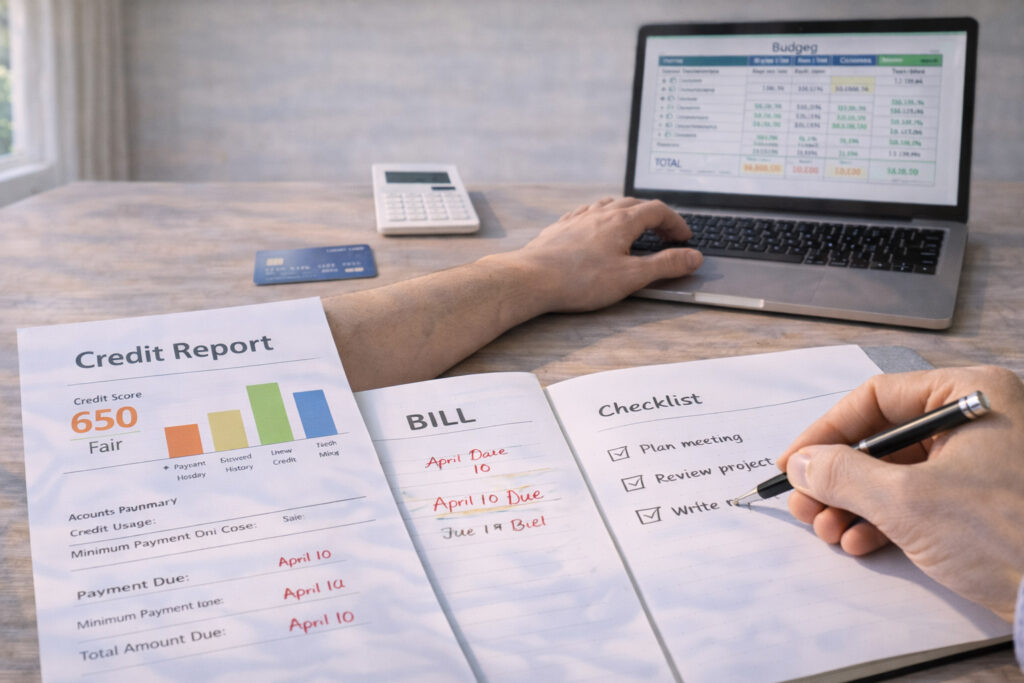
Credit scoring models evaluate several types of information from your credit reports to produce a numeric score that lenders use to assess risk. Payment history typically carries the most weight, followed by amounts owed, length of credit history, new credit inquiries, and mix of account types; public records and collections can also influence outcomes. Each factor interacts differently depending on the model, so two people with similar histories can receive different scores. Understanding these components helps prioritize improvements where they matter most.
- Payment history — timeliness of payments.
- Amounts owed — utilization rates on revolving accounts.
- Length of history — age of accounts matters.
- New credit — recent inquiries and accounts.
- Credit mix — loans and credit cards combined.
Keeping these factors in mind frames effective repair strategies. Focus on the areas that have the largest impact for your situation and set realistic timelines for progress.
Practical Steps to Improve Your Score
Start by ensuring all bills are paid on time, as punctual payments build the strongest foundation for a healthy score and demonstrate reliability to future lenders. Lowering outstanding balances and targeting high utilization accounts can produce quick improvements, especially on revolving credit. Avoid opening multiple new accounts in a short period and remove inaccuracies by regularly reviewing your credit reports. Small, consistent actions compound into meaningful score gains over several months.
Consider setting up automatic payments and reminders to protect your payment history. If errors appear, dispute them promptly with the reporting agencies and keep records of communications.
Monitoring and Avoiding Common Pitfalls
Regular monitoring helps you spot identity errors, fraudulent activity, and overdue accounts before they harm your score, and it lets you track the impact of recent changes. Be cautious with credit-boosting services and understand how they affect lenders’ views of your credit profile. Relying solely on a single score snapshot can be misleading since scores change based on recent activity. A broader view, including reports from multiple bureaus, gives a clearer picture of credit health.
Use free reports and alerts to stay informed without incurring fees. Maintaining steady habits is the best defense against sudden score declines and unexpected surprises on your report.
Conclusion
Improving a credit score is a gradual process built on consistent behavior and informed choices. By prioritizing timely payments, reducing utilization, and monitoring your reports, you can strengthen your financial footing over time. Patience and persistence deliver the most reliable results.