Introduction
Your credit score is more than just a number—it’s your financial identity. It tells lenders how reliable you are when it comes to borrowing and repaying money. Whether you want a home loan, car loan, or even a new credit card, your credit score plays a vital role.
What is a Credit Score?
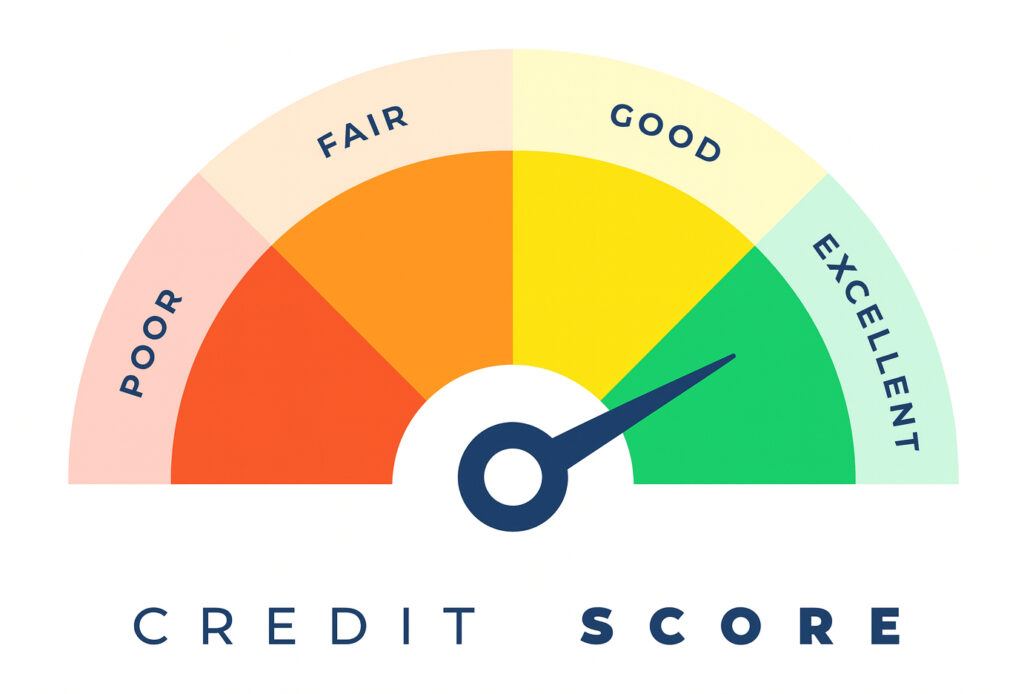
A credit score is a three-digit number (usually between 300–900) calculated based on your borrowing and repayment history. The higher the score, the better your chances of getting approved for loans with favorable terms.
Factors That Affect Your Credit Score
-
Payment History – On-time bill and EMI payments improve your score.
-
Credit Utilization – Using less than 30% of your available credit keeps your score healthy.
-
Credit Mix – A balance of credit cards and loans shows responsible borrowing.
-
Length of Credit History – The longer your credit history, the better.
-
Hard Inquiries – Frequent loan or card applications can reduce your score.
Why It Matters
-
Easier loan approvals.
-
Lower interest rates.
-
Better credit card offers.
Conclusion
Think of your credit score as a financial passport. Maintaining a strong score not only improves access to credit but also saves you money in the long run.