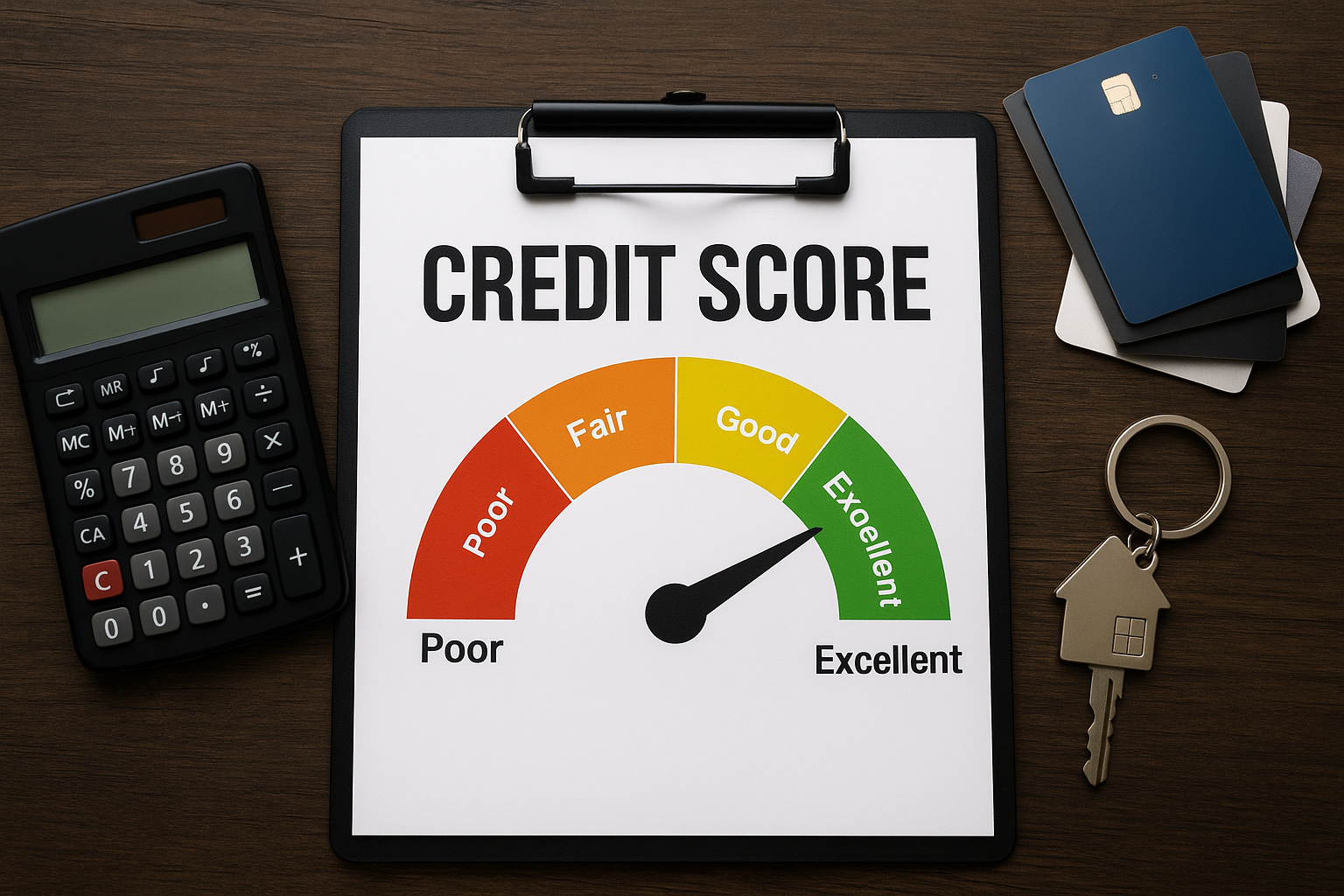
Cryptocurrency loans are gaining attention as an alternative way to access funds without relying entirely on traditional banks. By using digital assets as collateral, borrowers can unlock liquidity while holding onto their crypto holdings. As this space grows, many people wonder where credit scores fit into the picture. Understanding how credit profiles interact with crypto lending is essential for making informed financial decisions.
How Cryptocurrency Loans Work
Cryptocurrency loans typically allow borrowers to pledge digital assets such as bitcoin or other tokens as collateral in exchange for cash or stablecoins. These loans are often overcollateralized, meaning the value of the pledged assets exceeds the loan amount. This structure helps lenders manage risk in a highly volatile market. Because collateral plays a central role, approval processes differ significantly from traditional lending.
The Role of Credit Scores in Crypto Lending
In many crypto loan models, credit scores are not the primary approval factor. Since the loan is secured by digital assets, lenders focus more on collateral value and market volatility than on credit history. However, some platforms that bridge traditional finance and digital assets may still consider credit scores, especially when offering lower collateral requirements or hybrid lending products.
Benefits and Trade-Offs for Borrowers
One major advantage of crypto loans is accessibility. Borrowers with limited credit history may still qualify as long as they have sufficient collateral. This can provide flexibility for individuals seeking short-term liquidity without selling assets. On the other hand, price volatility introduces risk. Sharp declines in asset value can trigger margin calls or forced liquidation, regardless of a borrower’s credit standing.
How Crypto Loans Can Affect Financial Planning
While crypto loans may bypass traditional credit checks, they do not replace responsible financial management. Missed payments on certain platforms may not directly impact credit scores, but they can result in asset loss or restricted access to services. Additionally, some lenders report activity to financial institutions, particularly when operating within regulated frameworks. Understanding these details helps borrowers align crypto lending with broader financial goals.
Regulatory Trends and the Future of Credit Integration
As digital asset markets mature, regulators are paying closer attention to crypto lending practices. Future models may integrate credit-based assessments alongside collateral requirements to create more balanced risk evaluation. This evolution could lead to products that blend the flexibility of crypto loans with the accountability of traditional credit systems.
Conclusion
Credit scores play a limited but evolving role in cryptocurrency loans. While collateral remains the primary factor, credit considerations may grow as the market matures. Knowing how these elements interact helps borrowers manage risk and make smarter financial choices.