Introduction
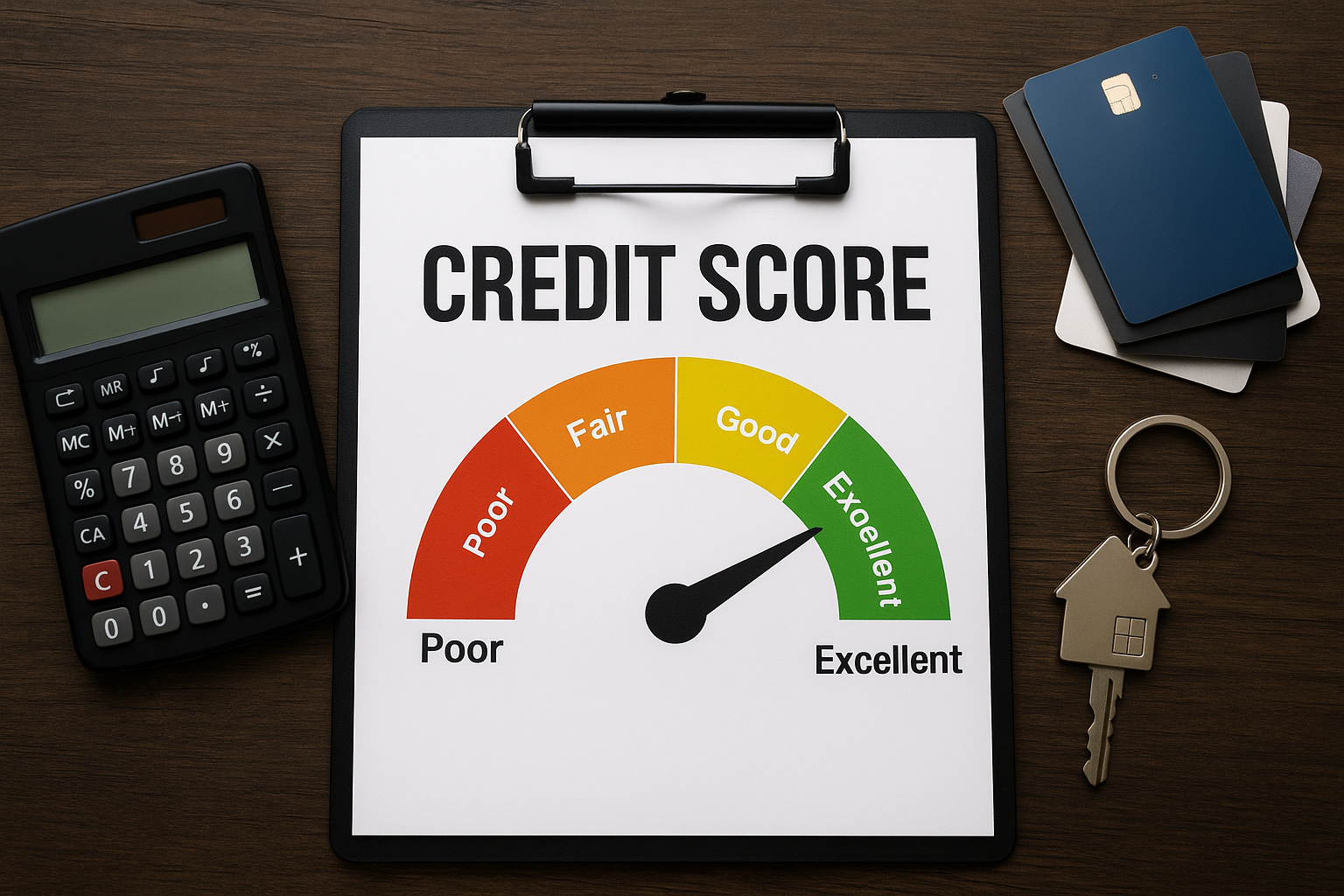
A credit score is more than just a number—it’s a financial fingerprint that reflects how responsible you are with money. Yet, many people don’t fully understand how credit scores are calculated or why they matter.
Key elements that make up a credit score:
-
Payment History (35%): Timely payments build trust with lenders.
-
Credit Utilization (30%): Using less than 30% of your available credit shows financial discipline.
-
Length of Credit History (15%): The longer your accounts stay open, the better.
-
Credit Mix (10%): A healthy combination of loans and credit cards boosts scores.
-
New Credit Inquiries (10%): Too many applications in a short time can lower your score.
Why it matters:
-
Determines loan approvals and interest rates.
-
Affects renting an apartment or even job applications in some industries.
-
Impacts financial opportunities like credit cards and mortgages.
Conclusion
Your credit score isn’t just a number—it’s a reflection of your financial habits. By understanding its components, you can make smarter choices to improve and protect it.