Understanding and improving your credit score is a long-term process that benefits from clear habits, accurate information, and deliberate planning. Whether you are building credit for the first time or rebuilding after setbacks, practical, measurable steps can move your score upward and expand future financing options. This article outlines strategies focused on report accuracy, credit utilization management, payment consistency, and informed account decisions. By implementing these tactics steadily you can strengthen your profile and position yourself for better borrowing terms when the need arises.
Check Your Reports and Correct Errors
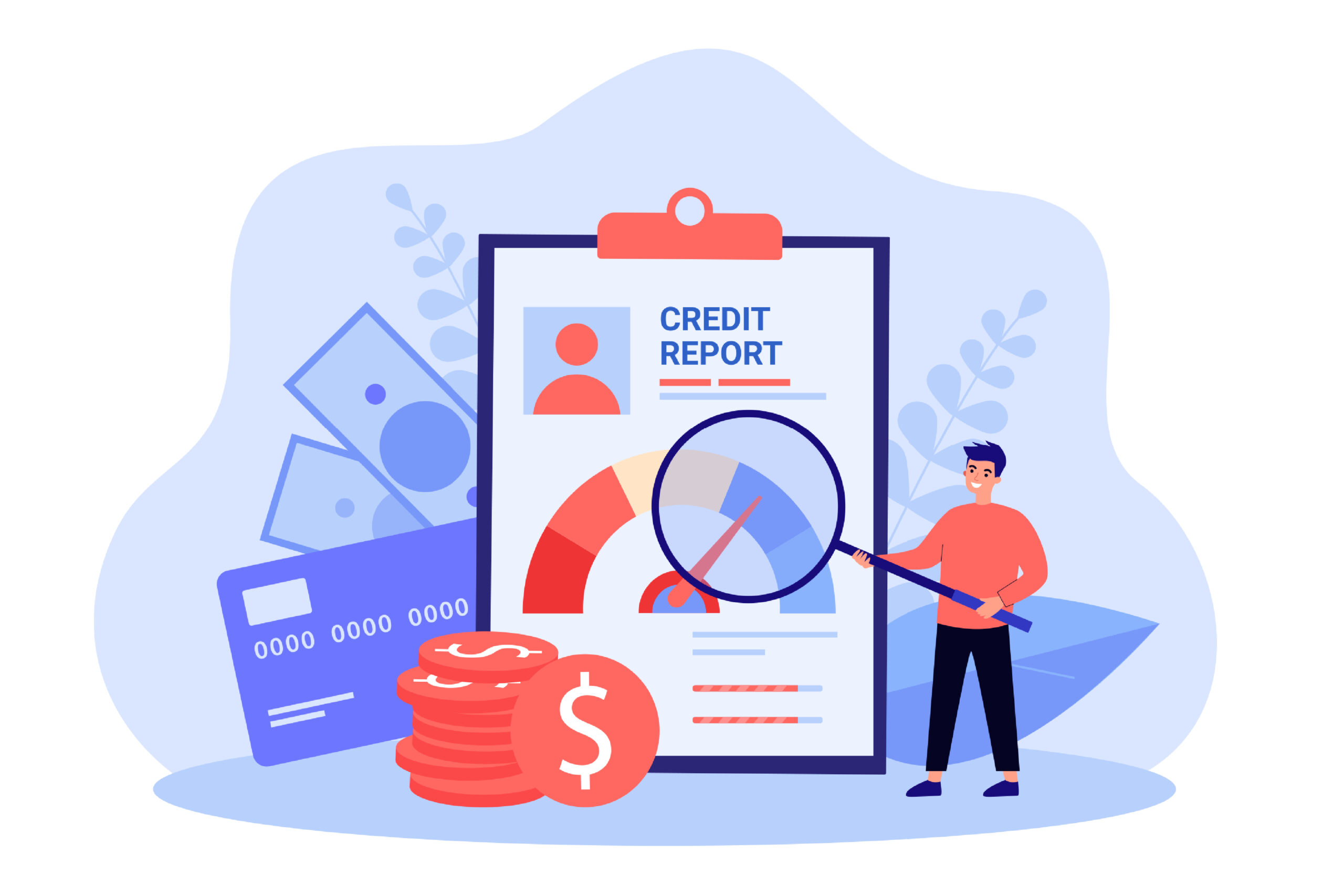
Start by pulling your credit reports from available sources and reading each entry carefully to spot inaccuracies, duplicate accounts, or outdated personal information that might be misreported. Common mistakes such as wrong balances, misattributed payments, or unfamiliar accounts can unfairly lower your score and are often resolvable through formal dispute processes with the reporting agencies. Use official reporting channels to file disputes, include supporting documentation, and follow up in writing while you retain all correspondence until items are corrected. Regular checks reduce surprises, help you identify potential identity theft early, and give you a clearer baseline for tracking real progress.
Addressing errors promptly prevents them from dragging your score down over time and frees you to focus on legitimate credit-building activities. Set a schedule to make report reviews and documentation a routine part of your financial maintenance.
Control Utilization and Manage Payments
Credit utilization — the percentage of available credit you are using at any time — is a major scoring factor and keeping it low consistently helps your overall rating. Aim to keep balances well below limits, spread out spending across accounts where sensible, and consider making multiple small payments through the month so lower amounts are reported. On-time payments are equally critical; even a single missed or late payment can have a lasting negative impact that takes years to diminish. Automated payments, calendar reminders, and modest budget adjustments reduce the chance of missed due dates and improve consistency across billing cycles.
Small changes in payment timing and balance management can create measurable improvements over several billing cycles. Track utilization trends rather than fixating on daily fluctuations to see meaningful patterns.
Use Credit Strategically and Monitor Progress
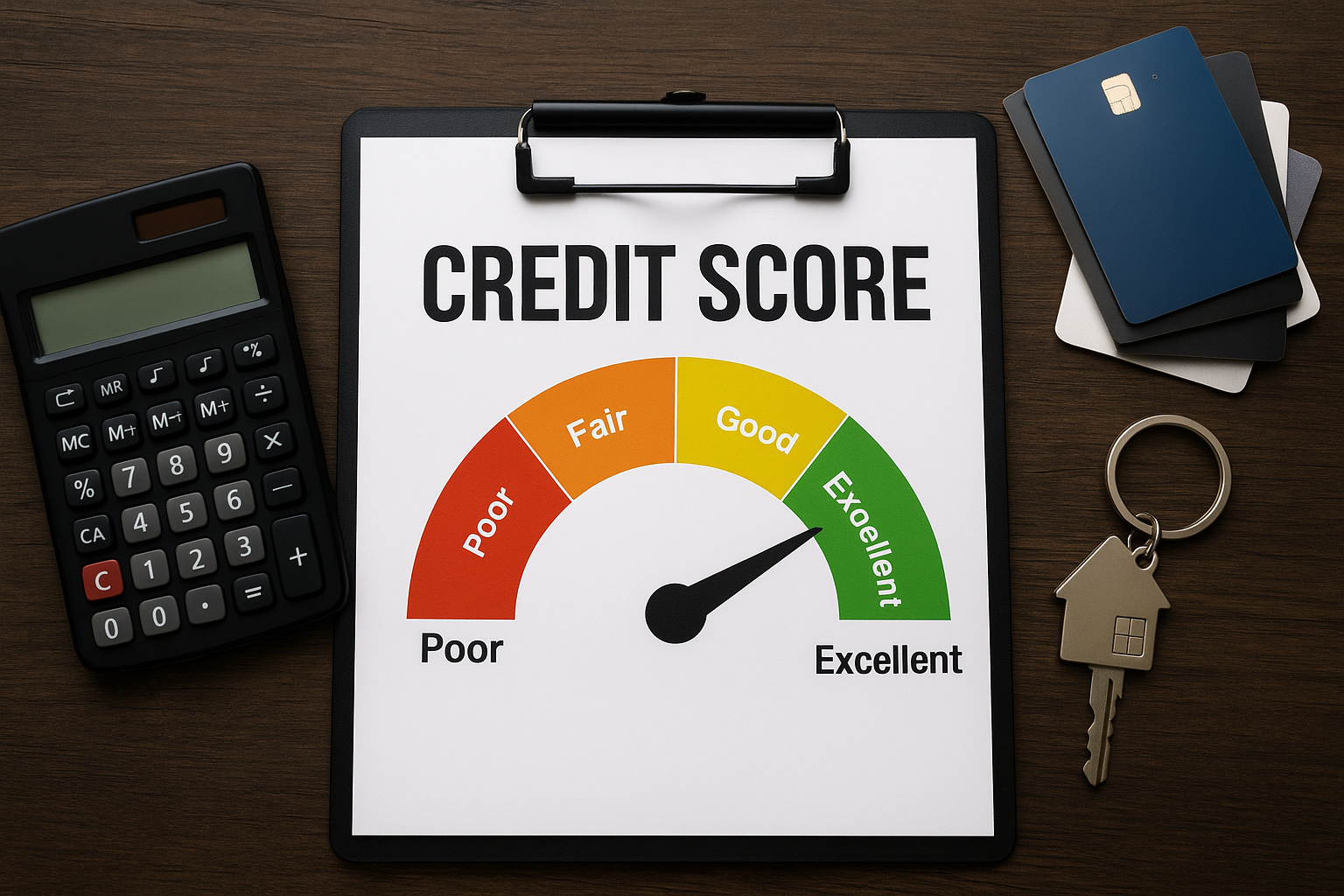
Avoid opening many new accounts at once, since multiple hard inquiries and a quickly changing account mix can temporarily lower your score and shorten average account age. When possible maintain older accounts in good standing, close only those that are unnecessary, and consider adding a responsible mix of installment and revolving credit gradually if it meets your needs. For those with limited history, authorized user arrangements, secured cards, or small installment loans can help establish positive history when managed responsibly. Regularly track your score and key metrics, set realistic milestones, and measure the impact of each strategy to make informed adjustments over time.
Patience and consistency are central because meaningful gains often appear over several months rather than overnight. Combine disciplined habits with periodic reassessment to sustain long-term improvement and avoid short-term setbacks.
Conclusion
Improving credit takes deliberate actions: correct errors, manage utilization, and pay reliably. Adopt these practices consistently and monitor progress to protect and strengthen your financial profile. Over time, small, steady changes create greater borrowing options and better terms.