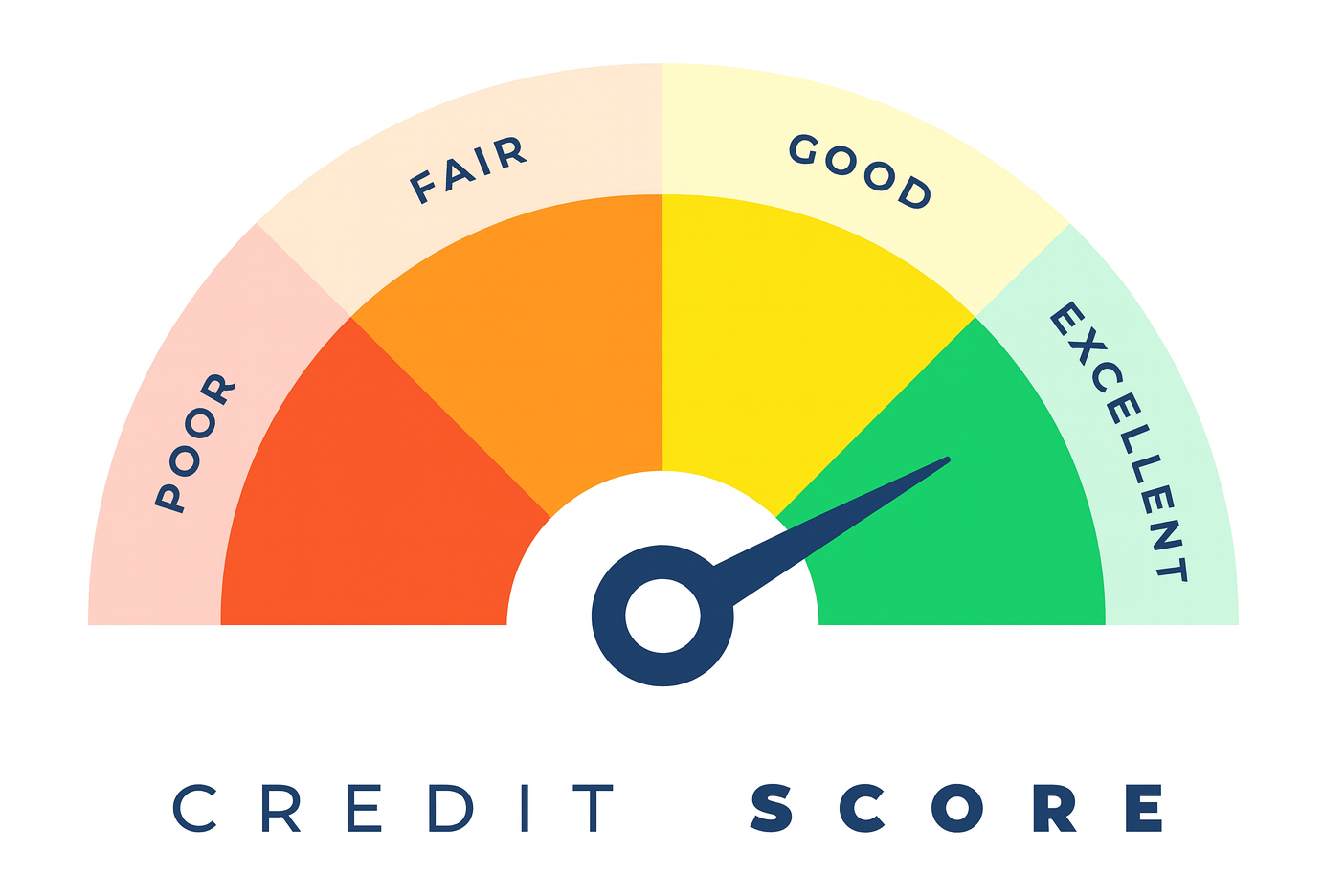
Credit cards can be organized to support the way you actually spend and save, rather than becoming a source of stress. By prioritizing cards based on purpose, billing cycles, and rewards, you create a predictable routine that fits monthly cash flow. Small adjustments to how you use each card reduce interest risk and simplify payments. This approach keeps choices intentional and helps maintain strong credit habits over time. This article outlines a simple framework to match cards to real monthly priorities.
Assessing Card Purpose and Value
Start by listing each card’s primary purpose: everyday purchases, travel, groceries, or debt consolidation. Compare annual fees, interest rates, signup perks, and ongoing rewards rates to see which cards truly deliver value for what you buy. Cards with overlapping benefits can be consolidated or relegated to backup status to reduce complexity. Be realistic about pursuit of perks—only keep cards that you can use in a way that covers their costs. Regularly reviewing statements can reveal underused perks or unexpected fees.
A clear purpose for each account reduces impulse switching and helps you track benefits. It also simplifies which card you choose for specific purchases. That clarity makes decisions about retention or closure easier.
Aligning Billing Cycles and Payment Strategy
Map your billing and due dates to your monthly income schedule so payments never feel like surprises. Staggering charges across cycles can improve short-term cash flow but avoid carrying balances beyond grace periods to prevent interest. Use automatic payments for at least the minimum and schedule manual payments for the full statement balance when cash flow allows. Understanding cycle dates also identifies when to make strategic large purchases for maximum float. If you travel or work irregular hours, factor in timing for foreign transaction posting.
A predictable payment rhythm reduces late fees and credit utilization swings. Small calendar adjustments often produce outsized benefits for budgeting. Use calendar alerts to keep adjustments consistent and visible.
Managing Rewards Without Overspending
Treat rewards as a bonus, not a reason to increase spending. Choose one or two cards that match your biggest regular expenses and focus on maximizing those categories rather than chasing every promotional offer. Track redemption rules and avoid letting annual fees outpace the practical value you receive. When evaluating cash back vs. travel points, consider liquidity and simplicity. Consider a simple spreadsheet or app to track rewards and expirations.
Redeem rewards on a schedule to prevent points from expiring or benefits from being underused. Keeping rewards management simple helps maintain healthy spending discipline. If a card’s rewards never translate into meaningful value, consider downgrading or closing it.
Conclusion
Organizing cards by purpose, cycle, and reward makes monthly finances more manageable. Intentional choices reduce interest costs and support better credit health. Start small and refine the routine as your needs change.