Consistent monthly reviews are one of the most underappreciated habits for improving credit. Taking a short, focused look at accounts, balances, and recent activity can reveal simple opportunities to lift your score. Small adjustments repeated each month reduce surprises and build long-term momentum. This article outlines practical review habits you can adopt without adding stress to your routine.
Run a Focused Report Review
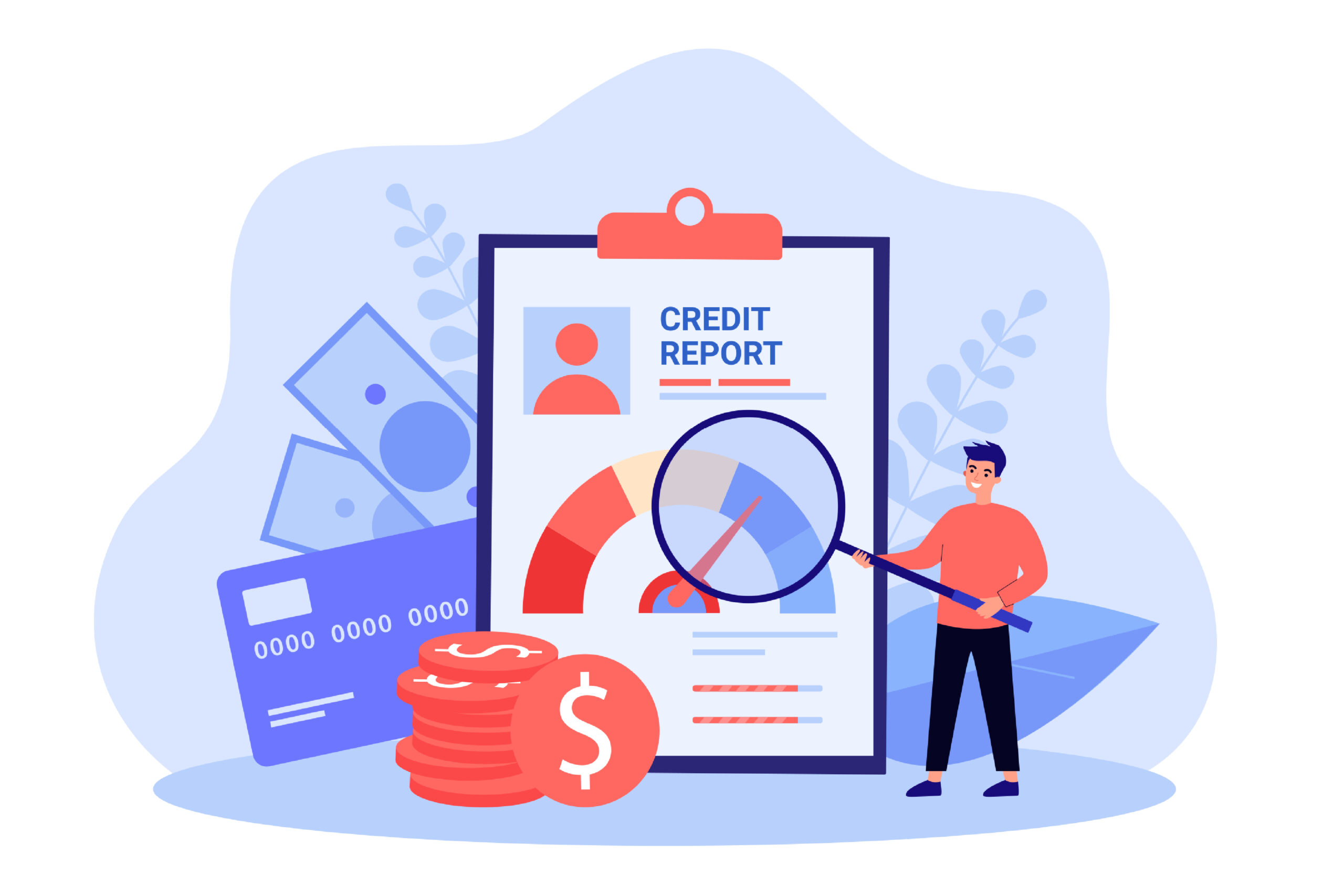
Begin each month by checking your credit report for inaccuracies and unfamiliar accounts. Look for simple errors like misspelled names, wrong balances, or accounts that should have been closed and are still open. Disputing mistakes promptly prevents them from damaging your score and can often be resolved within a few weeks. Make notes on what you find so you can track recurring issues.
Set a brief calendar reminder to make this review a habit. Regular reviews keep any surprises manageable and create a clear audit trail for disputes and follow-up.
Prioritize Payment Timing and Balances
Payment history and utilization are among the most influential factors in most scoring models, so prioritize them in your monthly review. Confirm all payments posted on time and identify cards with high reported balances that might be hurting utilization ratios. If a card shows a high balance mid-cycle, consider moving payments earlier or making an extra payment before the statement closes. Small adjustments to timing can reduce reported utilization without changing your spending.
Develop a simple payment calendar that aligns with your paydays and billing cycles. Consistent on-time payments and lower reported balances send positive signals to scoring models.
Use Accounts to Build Positive Signals
Review how each account contributes to your overall profile and avoid hasty closures of older credit lines. Age of accounts and credit mix matter, so consider keeping low-cost, well-managed accounts open. If you need to build credit, a secured card or a small installment loan handled responsibly can diversify your profile. Avoid opening many new accounts at once, as multiple inquiries can temporarily lower your score.
Think of each account as a data point that either helps or hinders your score. Use your monthly review to decide if an account should be used more, left alone, or closed with caution.
Track Progress and Adjust Goals
Record key metrics each month: reported balances, utilization rates, number of inquiries, and any derogatory items. Comparing these metrics over time makes it easier to spot trends and measure the impact of small changes. Set realistic short-term goals, such as lowering utilization by a specific percentage or resolving one error per month. Adjust strategies based on results and new priorities.
Keeping simple records turns vague intentions into measurable progress. Monthly tracking keeps you accountable and highlights which tactics actually move the needle.
Conclusion
Monthly reviews are a low-effort way to protect and improve your credit health. Small, consistent actions compound over time and reduce the risk of setbacks. Adopt a short, repeatable checklist to make progress without overwhelm.