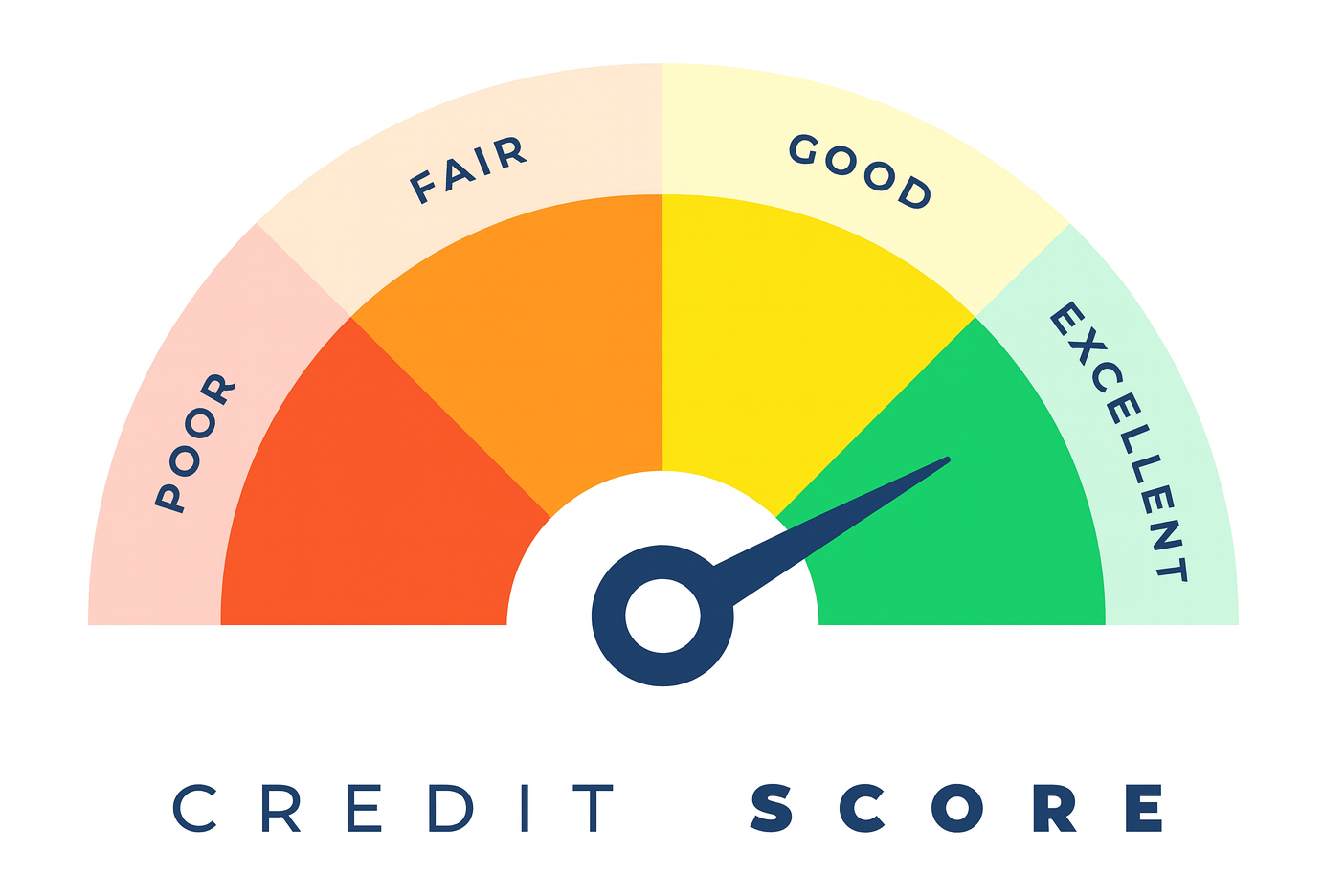
Credit cards can be useful tools when managed carefully, offering convenience and potential benefits. Understanding how different card features work helps you avoid common pitfalls and keep control of your finances. This article outlines practical strategies to choose cards wisely, manage costs, and use rewards without risking debt. The goal is to give clear, actionable steps to improve everyday credit card habits.
Know What Different Cards Offer
Cards vary by interest rates, fee structures, reward programs, and additional benefits like purchase protection or travel insurance. Compare features alongside your spending patterns to select a card that aligns with real needs rather than perks that encourage extra spending. Consider introductory offers but prioritize long-term terms such as ongoing rate and annual fees. Reading the fine print and asking for clarifications can prevent surprises later. Also compare customer service reviews and digital tools like spending trackers when evaluating issuers.
Start with one or two cards to keep oversight easy and build a clear payment routine. Simplicity often leads to better tracking and fewer missed payments. Keep a simple list of card features to compare annually.
Control Costs: Fees, Rates, and Payments
Interest and fees are the main drivers of credit card cost when balances carry over. Prioritize paying the statement balance in full each month to avoid finance charges, and if carrying a balance, target higher-rate accounts first. Look for cards with no annual fee or negotiate fees if your credit is strong. Also monitor dates and minimum payments to maintain a healthy credit profile.
- Pay full statement balance each month
- Set autopay and payment alerts
- Review statements and dispute errors promptly
Small habits like autopay and alerts prevent late fees and preserve your score. Regularly review statements to spot errors or unauthorized charges.
Use Rewards and Benefits Responsibly
Rewards can reduce overall spending when redeemed thoughtfully, but they should not dictate purchases. Use category bonuses for planned purchases and avoid chasing points on nonessential buys. Understand redemption options and expiration rules to extract genuine value from a program. For balance transfers or promotional offers, calculate fees versus interest saved before committing.
Treat rewards as a bonus rather than the primary reason for choosing a card. Consistent, responsible behavior maximizes benefits without increasing financial risk.
Conclusion
Adopting a clear approach to selecting cards, managing costs, and using rewards keeps credit cards working for you. Focus on sustainable habits—on-time payments, low balances, and periodic review of terms. These steps help you build financial stability and make the most of available card benefits.