Rebuilding a credit score is a process that rewards consistency and clear planning. Small, repeatable actions over months can change the way credit reporting systems view your profile. This article outlines practical, evidence-based steps you can take to repair and sustain a healthier credit standing. Read on for tactical guidance that fits everyday budgets and timelines.
Know Your Credit Report and Score
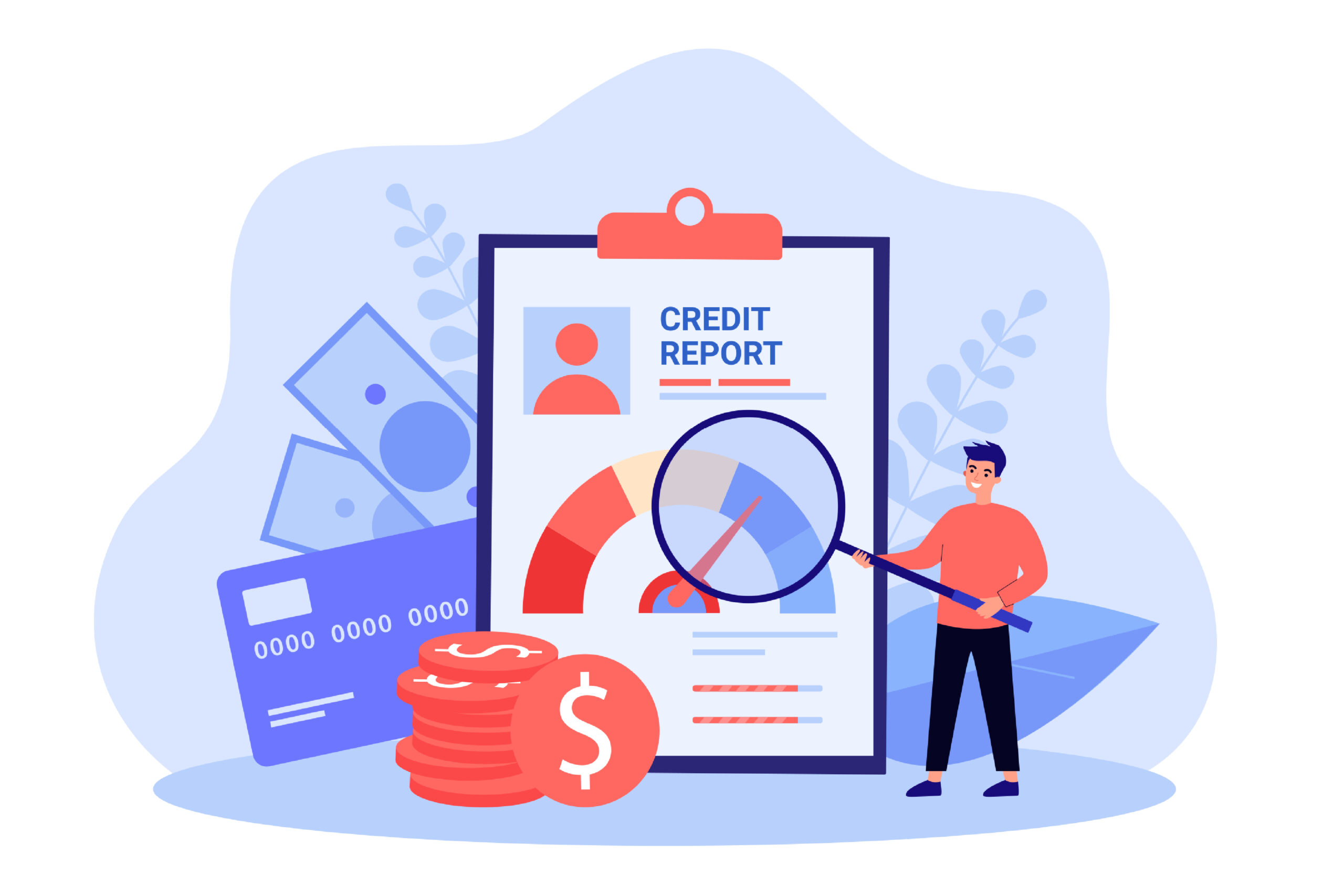
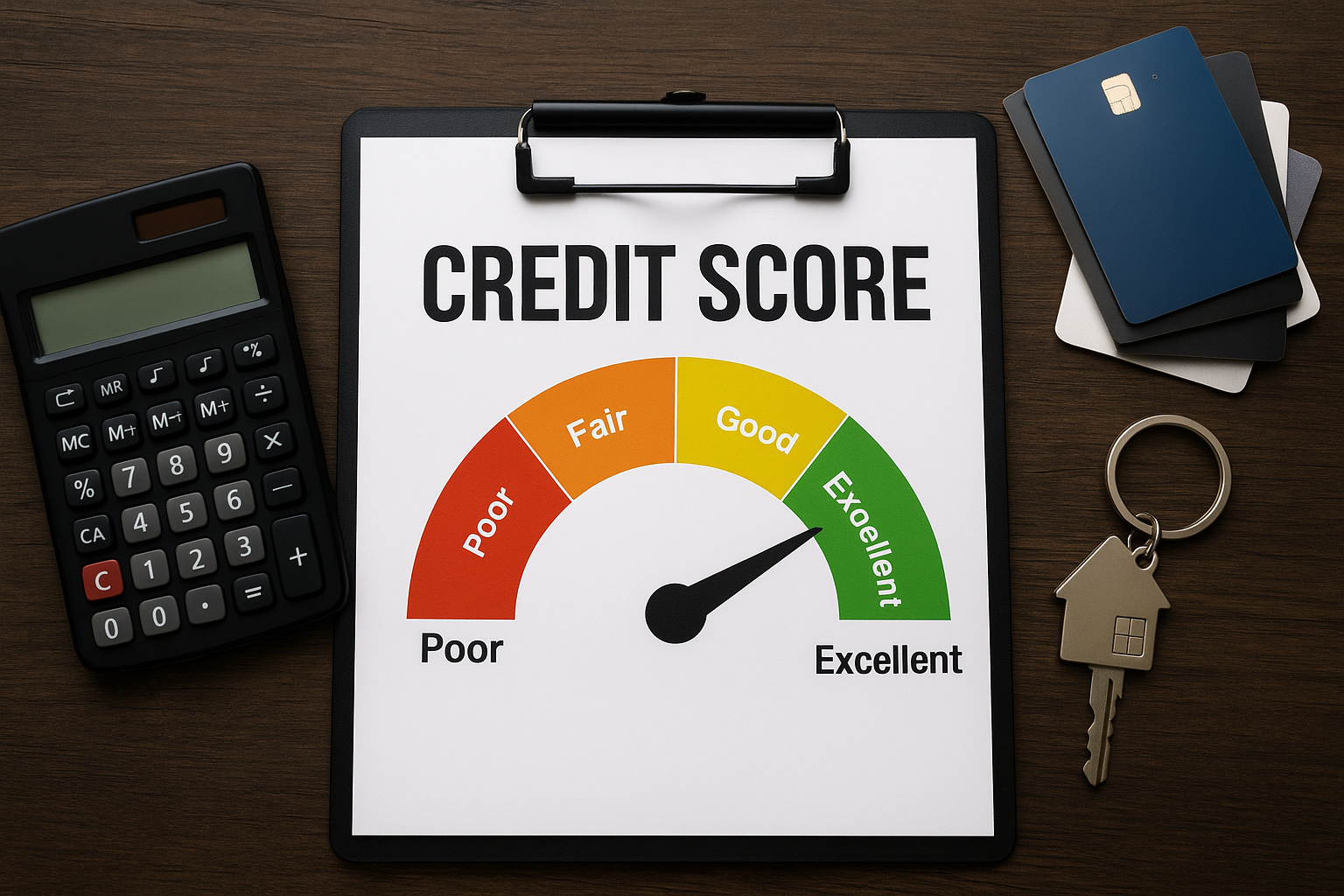
Start by obtaining current copies of your credit reports and the score models used by lenders. Look for errors, outdated accounts, and unexpected collections that could depress your score. Understanding the factors that most influence your score—payment history, utilization, length of credit, new accounts, and account mix—helps you prioritize improvements. Regular review gives you early warning and a clear road map for action.
Make a habit of checking reports at least once a year and after major life events. Disputing inaccuracies promptly can remove unjust negatives and improve your score faster than passive waiting. Keep records of all communications when you file disputes.
Focus on Payment History and Utilization
Consistently paying on time is the single most impactful behavior for credit improvement. Set automated payments or calendar reminders to avoid missed due dates that hurt your score and add fees. Equally important is managing credit utilization: aim to use a modest portion of your available limits rather than maxing out cards. Lower utilization signals responsible borrowing and often leads to steady score gains.
If balances are high, target one or two accounts for aggressive repayment while maintaining minimums on others. Consider negotiating lower rates or balance transfers to accelerate payoff when it makes sense.
Build Positive Tradelines and Limit Hard Inquiries
Introducing stable, well-managed credit types can strengthen your profile over time without unnecessary risk. Options include secured cards, credit-builder loans, or becoming an authorized user on a seasoned account under trusted oversight. Each addition should be deliberate and aligned with your long-term goals so you avoid the pitfalls of too many new accounts at once.
- Keep new applications infrequent to avoid multiple hard inquiries.
- Choose credit tools that report reliably to major bureaus.
Patience is key: productive tradelines improve your score gradually as on-time payments accumulate and average account age matures.
Conclusion
Rebuilding credit relies on steady, measurable actions like timely payments and mindful borrowing. Monitor reports, address inaccuracies, and add positive tradelines with care. Over time these practices lead to a more resilient credit profile and greater financial flexibility.