Using credit cards with confidence starts by creating a simple routine that reflects your financial priorities.
A predictable system reduces friction and helps you avoid late payments and unexpected balances.
This approach combines purpose, timing, and basic record keeping so cards work for you, not the other way around.
The following sections outline practical steps to build a routine you can maintain month after month.
Set a Purpose for Each Card
Begin by assigning clear roles to every card in your wallet; one for everyday expenses, another for recurring bills, and a third reserved for larger purchases or travel.
Having a distinct purpose helps you make rational choices at checkout and simplifies monitoring. When each card has a job, you reduce overlap, lower the chance of missed payments, and make rewards easier to track. Periodically review these roles and reassign if your spending priorities change. Keep a short note in your budgeting app or wallet so the intended use stays visible.
Align Payments with Billing Cycles
Match bill timing to your cash flow by tracking billing cycles and setting automatic payments for at least the minimum due.
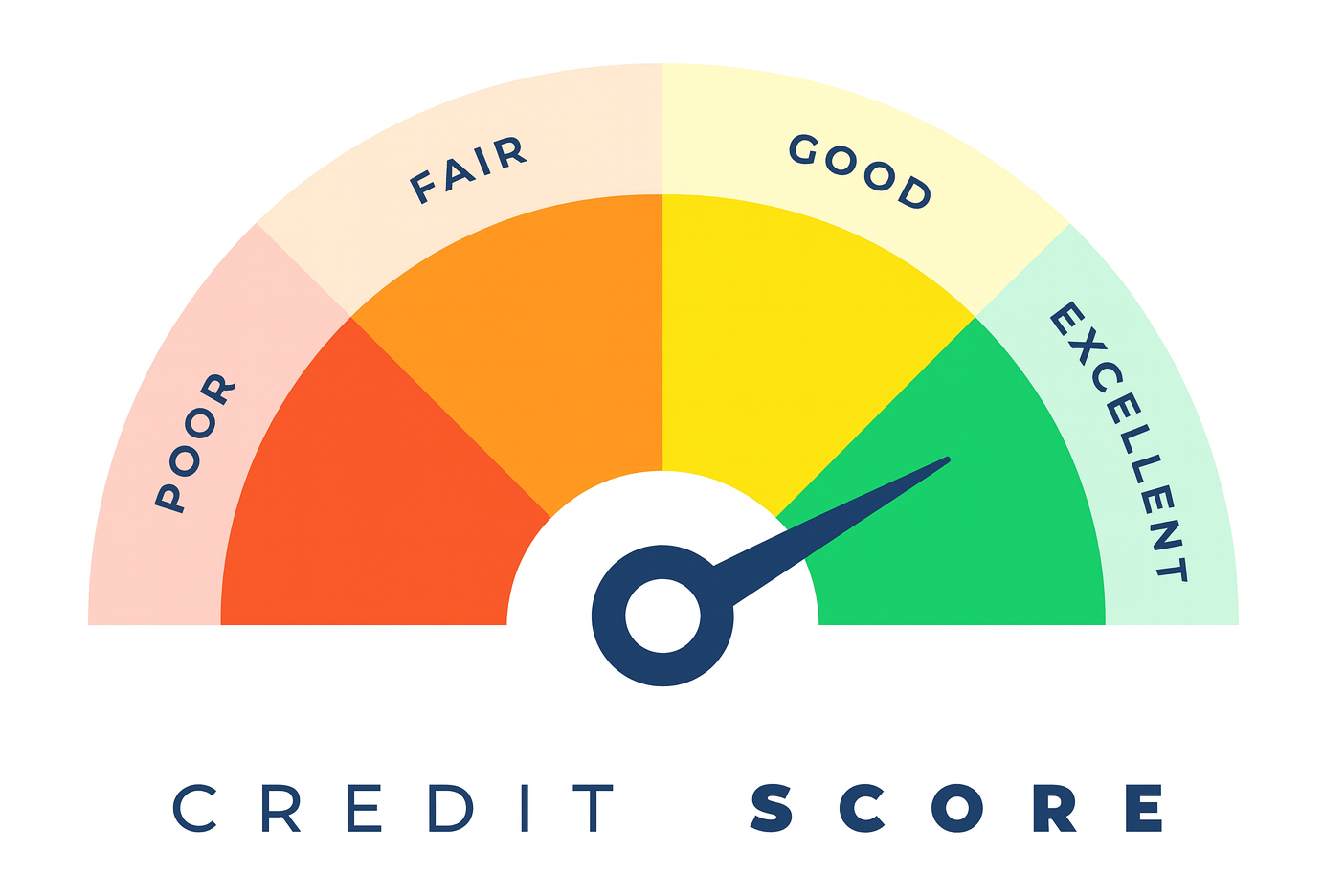
Scheduling payments a few days before due dates reduces late fees and interest charges. If possible, pay the full statement balance each month to avoid finance costs while preserving rewards. Use calendar reminders or automated transfers to make this a low-effort habit that protects your score and cash.
Make Rewards and Protections Work for You
Use rewards strategically rather than chasing points for their own sake; pick cards whose benefits align with regular spending categories like groceries or commuting.
Pair rewards with consumer protections—purchase protection, extended warranties, and travel coverage—to add value beyond cash back. Track redemptions so you actually use earned benefits instead of letting them expire. Small, consistent choices often produce better long-term value than switching cards frequently.
Simple Organization Tactics
Keep documentation concise and accessible: a brief spreadsheet or a secure notes app can list card purposes, due dates, and key benefits for quick reference.
- Note billing date and last payment for each card.
- Highlight which card to use for each category of spending.
- Record reward expiration dates and redemption options.
These small records reduce mental load and help you act fast when opportunities or issues arise. Periodic review keeps the system current without large time investments.
Conclusion
Create a routine that clarifies card roles, aligns payments with your cash flow, and uses rewards intentionally.
Keep simple, visible notes to avoid slips and save time on day-to-day choices.
A steady system protects credit health and makes card use predictable and beneficial.