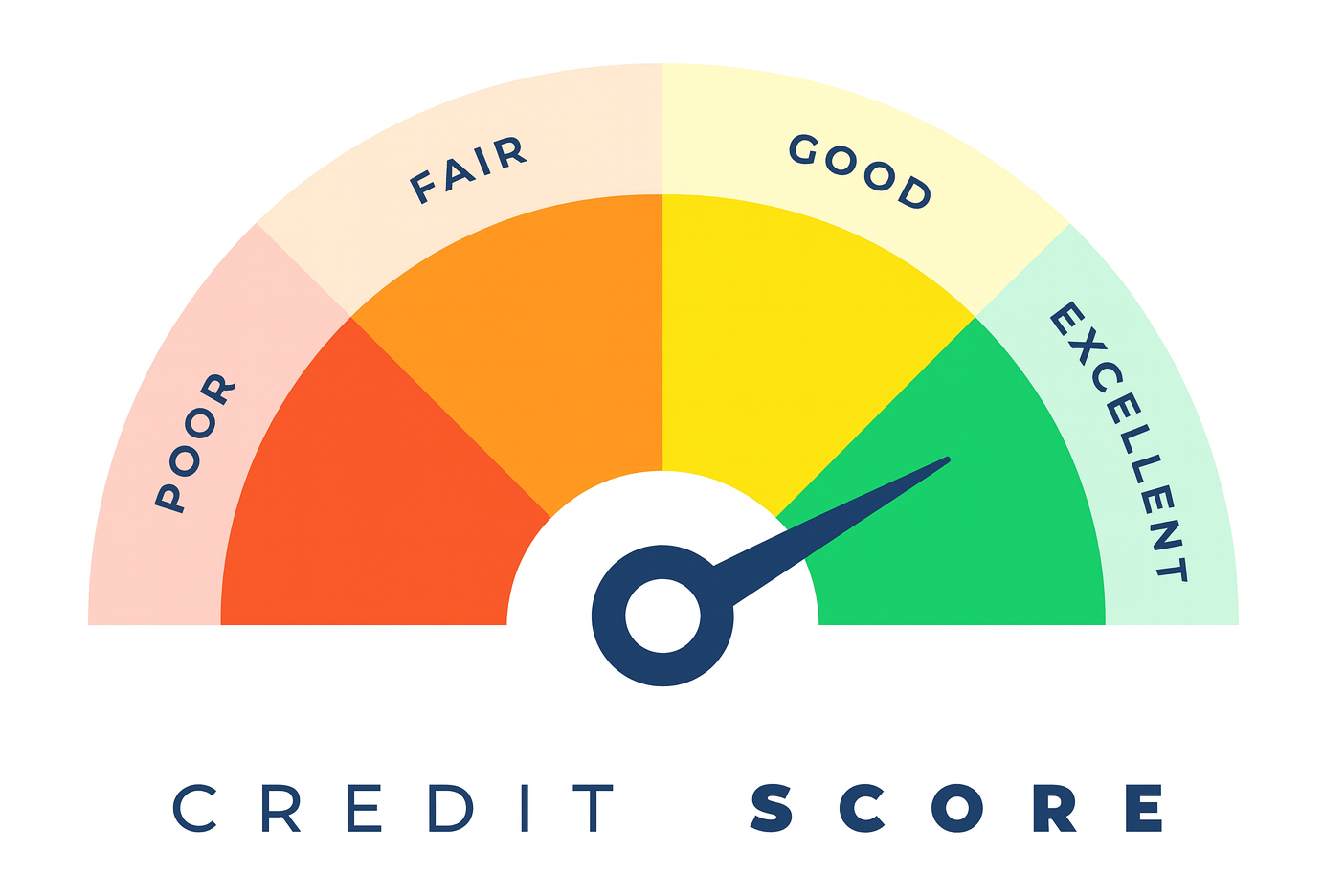
Managing multiple credit cards and daily spending can feel overwhelming, but a simple framework helps you make consistent, effective choices. This article outlines practical rules that prioritize on-time payments, targeted rewards, and low complexity. The goal is to reduce decision fatigue while improving outcomes like lower interest costs and better reward capture. Track simple metrics like utilization and reward yield to measure progress and stay motivated.
Set Clear Monthly Rules
Start by setting a few nonnegotiable monthly rules that fit your cash flow and goals. Identify a target day to review statements and schedule payments to avoid late fees. Establish a maximum balance threshold and a rule for new purchases if balances exceed that amount. Align those rules with your card billing cycles to avoid missed payments. Keep rules simple so they are sustainable across busy months.
Simple, repeatable rules reduce stress and keep interest costs predictable. Revisit rules quarterly to adapt as income or goals change. When life changes, adjust thresholds rather than discarding the whole system.
Manage Balances and Payments
Focus payments where they matter most: prioritize cards with high interest rates while maintaining minimums on others. If possible, pay full statement balances to avoid finance charges and preserve credit utilization. Use automatic payments for minimums and a calendar reminder for extra payments beyond the minimum. When balances rise, temporarily scale back nonessential charges until you restore a comfortable ratio. If rates are high, consider a balance transfer or a short-term consolidation plan if that lowers your costs.
- Prioritize cards by interest rate and outstanding balance.
- Use a single bank transfer day to consolidate repayment tasks.
These habits lower interest expense and simplify bookkeeping. They also protect your credit score by keeping utilization stable. Transparency in your records makes it easier to spot when habits slip.
Optimize Card Mix and Usage
Choose a small set of cards that together cover your typical spending categories and payment flexibility. One card for everyday purchases with good rewards, another for larger recurring bills, and a backup for emergencies often suffices. Avoid chasing every sign-up bonus; the overhead can outweigh the rewards if it complicates your routine. Regularly check fees and benefits to ensure each card still earns its place in your wallet. Evaluate whether an annual fee is justified by tangible benefits and cash value.
A purposeful mix reduces friction and helps you extract value without excess accounts. Close or downgrade cards cautiously to avoid unintended credit history impacts. Keep at least one long-standing card open to preserve account age and history.
Conclusion
A concise framework of rules, prioritized payments, and purposeful card selection makes credit card management manageable. Commit to simple routines and periodic reviews to keep your financial habits aligned with goals. Small, consistent choices lead to clearer finances and more predictable rewards.