Credit cards can be powerful tools when used with clear habits and awareness.
Small changes in how you choose, use, and pay for cards can protect your finances and support long-term goals.
This article outlines practical, easy-to-adopt approaches for understanding card terms, managing spending, and maintaining healthy payment routines.
Read on for steps that help you reduce risk, build credit, and keep control of everyday finances.
Understand Your Card Terms
Begin by reviewing the core terms associated with any card you hold: interest rates, fees, grace periods, and reward structures all affect cost and value. Knowing when interest applies and which transactions trigger fees helps avoid surprises on statements. Pay attention to introductory offers and when those rates change to the standard APR, and be mindful of how rewards are earned and redeemed. Understanding these elements makes it easier to match a card to your spending habits and avoid unnecessary expense.
Compare a few key details across cards before deciding which to use most often, and keep a simple cheat sheet of dates and rates for reference. Regularly revisit terms when you receive updates from issuers so you can adjust behavior if conditions change.
Use Cards to Build Credit Without Risk
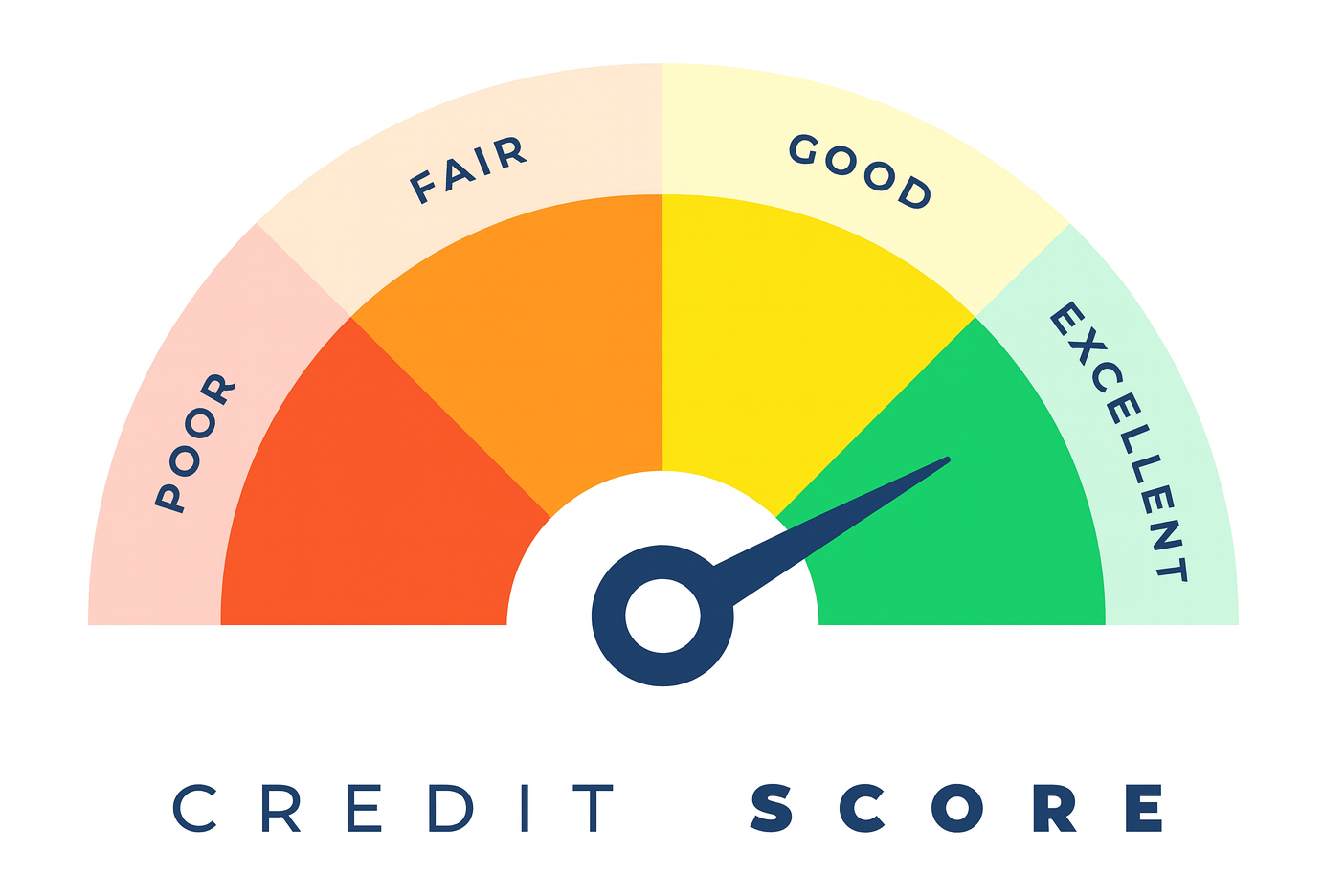
Using credit cards strategically can contribute to a stronger credit profile when payments are timely and balances are managed. Aim to keep balances relative to limits in a range that feels comfortable for your budget rather than maximizing available credit. Establish a payment routine that ensures at least the minimum due is covered on time, and consider paying more when possible to reduce interest costs. Diversifying your credit mix should be a secondary consideration to consistent, responsible account management.
Avoid impulsive applications for new cards and consider the long-term effects of opening or closing accounts on your credit picture. Small, steady actions tend to build better outcomes than short-term, high-risk moves.
Practical Payment and Tracking Techniques
Adopt simple systems to make on-time payments and track spending without stress. Use calendar reminders or automated payments for at least the minimum due, and reconcile your statements weekly to spot unexpected charges. Integrate credit card activity into a monthly budget so purchases align with planned expenses rather than impulse buys. Alerts and account notifications provided by issuers can be used to flag large transactions or approaching limits.
- Set up autopay for regular coverage of at least the statement balance when possible.
- Use budgeting tools or apps to categorize and monitor card spending.
- Enable transaction alerts to catch errors or fraud early.
Combine automation with occasional manual reviews to stay informed and flexible, adjusting limits or habits as life changes. These routines reduce stress and help maintain steady progress toward financial objectives.
Conclusion
Consistent, informed habits are the foundation of safer credit card use.
Small improvements in understanding and payment routines compound over time into stronger financial resilience.
Focus on reliable practices rather than quick gains to preserve both credit and peace of mind.