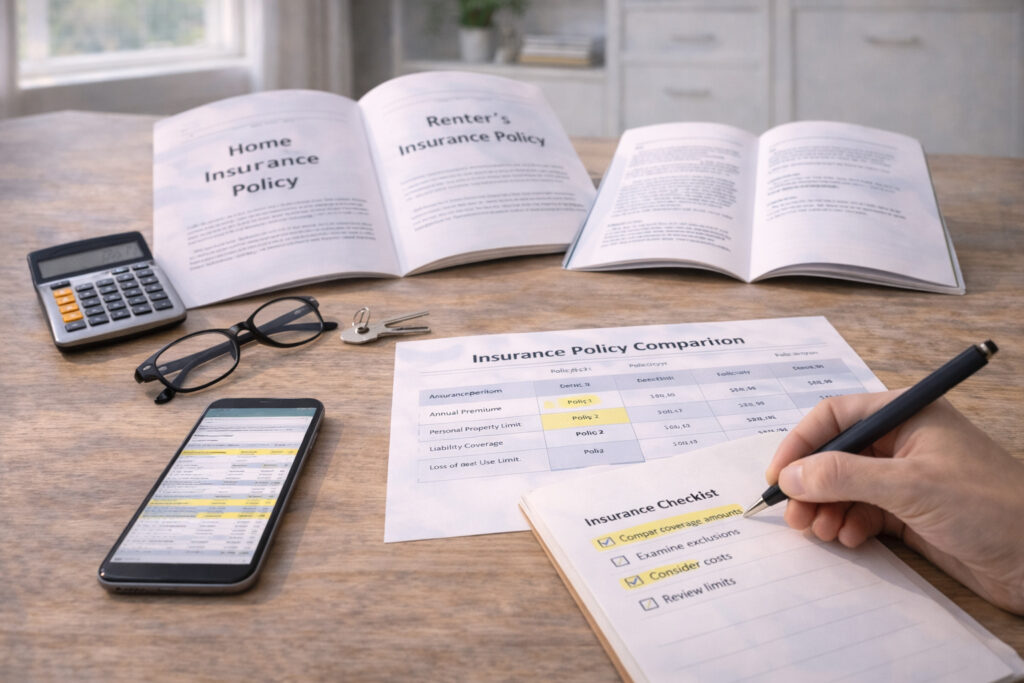
How to Build a Clear Personal Insurance Strategy

Creating a personal insurance strategy helps protect your finances and gives peace of mind when unexpected events occur. Start by taking a deliberate look at what you own, the risks you face, and how a loss would affect your household budget. Clear priorities and realistic expectations make it easier to choose coverage that fits both needs and cost. This article outlines practical steps to evaluate policies, compare features, and manage premiums effectively.

Understand Your Risks and Priorities

Begin by listing assets, liabilities, and potential exposures that would cause financial strain if damaged or lost. Consider the likelihood and impact of events like property damage, disability, or liability claims, and rank them by severity. Including family members’ needs and any upcoming life changes will produce a more accurate assessment. A thoughtful risk inventory guides the selection of appropriate coverage limits and deductible levels.

  • Identify high-value assets and essential living costs.
  • Note gaps where existing coverage falls short.
  • Estimate emergency funds to supplement insurance.

Prioritizing risks simplifies decision-making and prevents overbuying coverage. Use the inventory as a living document and update it when circumstances change.

Compare Policies Beyond Price

When shopping for insurance, look closely at policy language, exclusions, and claim handling procedures rather than focusing solely on premium costs. Coverage limits, sub-limits, replacement cost versus actual cash value, and the presence of endorsements can dramatically affect how well a policy performs when you file a claim. Request sample policy documents and ask specific questions about common scenarios you might face. Understanding the insurer’s reputation for claims service and any waiting periods helps avoid surprises later.

Comparing apples to apples requires careful review of terms and conditions. Take notes and create a simple comparison table to highlight meaningful differences in coverage and cost.

Practical Ways to Lower Premiums

There are several legitimate strategies to reduce insurance costs without sacrificing necessary protection. Raising deductibles shifts more initial cost to you but lowers recurring premiums; bundling multiple policies with the same provider often yields discounts; and maintaining a strong credit profile can improve rates in some markets. Seasonal reviews also reveal opportunities to adjust coverages that are no longer relevant as needs evolve.

  • Raise deductibles where you can afford out-of-pocket expenses.
  • Bundle auto, home, or other policies for multi-policy discounts.
  • Improve home safety features and document preventive measures.

Small changes add up, and periodic policy reviews ensure you’re not paying for redundant or outdated protections. Combine premium-saving tactics with a clear plan for handling claims and emergencies.

Conclusion

Regularly assess risks, compare policy details, and adjust coverage to match life changes.
Use practical cost-saving strategies that do not compromise essential protection.
A clear, reviewed insurance strategy keeps your finances resilient and stress lower.

What to Look For in Senior Care Insurance Policies

Deciding on insurance for later-life care can feel overwhelming, yet a clear approach helps simplify choices. Understanding policy terms, benefit triggers, and limitations is essential before committing. Families and individuals benefit from prioritizing needs and estimating likely care scenarios. This article outlines practical factors to evaluate when comparing senior care insurance options.

Assessing Coverage Needs

Start by mapping likely care needs, such as assistance with daily activities, supervision, or skilled nursing. Consider the expected duration and frequency of care to determine whether short-term benefits or long-term coverage is appropriate. Think about current health, family history, and lifestyle factors that influence future risk. Accurate assessment helps narrow policy types and reduces the chance of paying for unnecessary benefits.

Documenting priorities in writing makes conversations with insurers more productive. A clear needs profile also supports better cost comparisons and more confident decisions.

Comparing Policy Features

Not all policies provide the same definitions or benefit triggers, so pay close attention to wording. Look for clear definitions of activities of daily living, cognitive impairment clauses, and elimination periods that affect when payments start. Review how benefits increase over time and whether inflation protection options are available. Also check exclusions, preexisting condition limits, and any required waiting periods to avoid surprises.

Side-by-side comparisons of key terms reveal meaningful differences that affect out-of-pocket costs. Ask insurers to explain ambiguous language before signing.

Costs and Funding Options

Premiums vary widely based on age at purchase, coverage amount, and health status, so obtain quotes from multiple providers. Consider whether a single premium, level payment, or hybrid product fits your financial plan and risk tolerance. Explore alternatives such as life insurance conversions or annuity-linked policies when traditional coverage is unaffordable. Keep in mind that lowering benefits or adding longer elimination periods reduces premiums but may increase long-term exposure.

Balance monthly or annual cost with the value of protected assets and peace of mind. Plan early to lock in lower rates and more options.

Working with Advisors

Insurance brokers, financial planners, and eldercare specialists can clarify complex terms and identify suitable products. Choose advisors who act as fiduciaries or provide transparent fee structures to avoid conflicts of interest. Request written explanations for recommended policies and verify that quotes reflect the same coverage levels. Independent reviews and client references help confirm an advisor’s experience with later-life care planning.

Regularly revisit coverage as health, finances, and family situations change. A trusted advisor can help update policies to match evolving needs.

Conclusion

Selecting senior care insurance requires understanding needs, policy details, and costs before deciding. Compare features deliberately, involve informed advisors, and document priorities to guide choices. Early planning increases options and reduces the likelihood of unexpected expenses.

A Clear Framework for Choosing Later-Life Care Coverage

Choosing insurance for later-life care can feel overwhelming, but a clear approach simplifies decisions.
Start by defining the types of care you want covered and the timeline you expect.
Balance affordability with the level of protection that matches your risk tolerance.
Thoughtful planning reduces surprises and supports better outcomes for you and your family.

Start with your care goals

Begin by outlining personal priorities: in-home support, assisted living, or skilled nursing care. Consider functional needs, family caregiving capacity, and potential healthcare trajectories. A realistic assessment of likely services helps narrow suitable policy types. Documenting goals makes conversations with agents and advisors more productive.

This clarity guides benefit selection and timing. It also helps set realistic budget expectations.

Compare policy features that matter

When comparing plans, focus on triggers for benefit payment, the daily or monthly benefit amount, and the benefit period length. Look at elimination periods and whether inflation protection is included to preserve purchasing power over time. Also check provider networks and any care coordination services that may be offered. Policy definitions vary, so read the fine print or ask for examples of covered scenarios.

  • Benefit trigger definitions
  • Benefit amount and period
  • Elimination period and inflation protection
  • Provider limitations and care coordination

A side-by-side comparison highlights meaningful differences that affect long-term costs. Prioritize features that align with your documented care goals.

Avoid common mistakes

Many buyers focus only on price without examining coverage gaps or restrictive definitions. Others delay purchasing until costs rise or eligibility changes, which can limit options. Watch for short benefit periods, low daily limits, and exclusions for cognitive decline or preexisting conditions. Working with a trusted advisor helps uncover hidden risks and clarify trade-offs.

Take the time to verify assumptions and ask for written explanations of ambiguous terms. Small details can have large financial and practical implications later.

Plan for costs and payment strategies

Estimate long-term costs using local care rates and realistic scenarios rather than headline averages. Consider funding sources such as personal savings, annuities, or insurance benefits and how they interact with public programs. Evaluate hybrid products that combine life insurance with care benefits if you want both protection and potential legacy value. Run examples that show worst-case and moderate scenarios to test affordability over time.

This structured approach helps avoid sudden financial strain when care needs begin. It also reveals whether incremental budgeting or earlier purchase makes sense for your situation.

Conclusion

Plan early, review annually, and adjust as needs change.
Share your decisions with family or trusted advisors.
Regular review keeps coverage aligned with evolving care priorities.

Practical Steps to Secure Insurance for Later-Life Care

Planning for later-life care is an important part of protecting financial security and maintaining quality of life. Many people delay decisions until needs arise, which can limit options and increase costs. A thoughtful approach helps match coverage to likely needs while preserving assets and independence. This article outlines practical steps to evaluate risks and choose insurance that aligns with personal priorities.

Assessing Personal Needs and Risk

Begin by evaluating current health, family history, and daily living needs to estimate the type and level of care you might require. Consider both short-term recovery needs and potential long-term support for activities like bathing, dressing, or mobility. Financial resources, support networks, and housing plans all influence the amount and duration of coverage that makes sense. A clear picture of likely needs simplifies comparison of policy features.

Prioritizing needs reduces unnecessary coverage and focuses spending where it matters most. Regularly update assessments as circumstances change.

Understanding Policy Types and Features

Different policies address care in distinct ways: some reimburse based on services received, others pay a daily benefit regardless of bills. Key features to compare include elimination periods, benefit periods, inflation protection, and any limitation for home-based versus facility care. Watch for exclusions, waiting periods, and definitions of covered services, which significantly affect real-world value. Reading sample policy language and asking for clear explanations prevents surprises later.

Knowing the specific features that matter for your situation makes comparison straightforward and meaningful.

Balancing Costs with Coverage Priorities

Premiums vary with age at purchase, health status, benefit levels, and optional riders. Decide how much of a premium increase you can accept in exchange for stronger protection, such as longer benefit periods or inflation adjustment. Evaluate alternatives like hybrid policies that combine life insurance with long-care benefits if they fit broader financial goals. Use scenario planning to see how different claims would affect savings and income over time.

Balancing cost and coverage involves trade-offs; focus on the combination that preserves mobility and financial resilience.

Practical Steps to Compare and Buy

Start by collecting quotes from multiple insurers and request standardized illustrations showing projected costs and benefits. Work with a licensed agent or advisor who can explain trade-offs without pressuring a quick purchase. Verify company financial strength and read customer service reviews to understand claim experiences. Make sure medical underwriting questions are answered accurately to avoid future denials.

  • Gather three to five quotes for meaningful comparison.
  • Ask for written explanations of key terms and exclusions.
  • Schedule a review with a trusted advisor before signing.

Document decisions and store policy documents where family or trusted contacts can find them. Revisit coverage periodically to keep it aligned with changing needs.

Conclusion

Approaching later-life care insurance with clear priorities and realistic scenarios reduces uncertainty. Compare policies on features and costs, and involve a trusted professional when needed. Thoughtful planning preserves choice and financial stability as needs evolve.

Planning Senior Care Insurance for Peace of Mind

Deciding on senior care insurance is one of the most important steps in preparing for later life. Understanding options and aligning them with personal needs reduces stress and unexpected costs. This article outlines practical considerations to help seniors and their families evaluate coverage. It focuses on clarity, affordability, and matching benefits to likely care needs.

Assessing Personal Needs and Risks

Begin by reviewing health history, family longevity, and current financial resources to estimate potential long-term care needs. Consider daily living activities, chronic conditions, and the likelihood of needing in-home support or facility care. Timing is also important; premiums and eligibility change with age and health status. A realistic risk profile guides whether coverage, partial protection, or relying on savings makes sense.

Documenting these factors creates a clear picture for discussions with advisors or family members. This foundation prevents choosing policies that under- or over-protect your actual needs.

Comparing Policy Types and Benefits

Different policies vary by benefit triggers, daily or monthly caps, elimination periods, and inflation protection. Look for definitions of covered services and precise triggers for benefits to avoid surprises when a claim is needed. Compare scenarios — short-term versus long-term stays, in-home aides, and assisted living coverage — to see which options matter most. Premium stability and portability are also key considerations when evaluating policy options.

Request sample benefit scenarios and read the fine print to compare real value rather than headline features. This makes it easier to weigh cost against expected benefit.

Balancing Cost, Funding, and Family Communication

Costs can be managed with hybrids, riders, or policies with shared care features, and by adjusting benefit lengths or elimination periods. Evaluate tax implications and whether employer or retirement plans offer supplement options. Open conversations with family clarify expectations and ensure beneficiaries understand coverage and decision-making roles. Involving a trusted advisor early helps align the plan with financial goals.

A balanced approach protects assets while preserving flexibility for changing health needs. Clear communication reduces the administrative burden during stressful transitions.

Working with Advisors and Reviewing Coverage Regularly

A licensed insurance advisor or independent broker can explain subtle policy differences that matter at claim time and suggest combinations that fit budgets. Ask about insurer financial strength and historical rate increases to assess long-term affordability. Schedule periodic reviews after major life events such as retirement, health changes, or shifts in finances to ensure coverage still aligns with needs. Regular reviews also capture new products or riders that could improve protection.

Keep policy documents accessible and update beneficiaries or power of attorney designations as required. Ongoing attention prevents lapses and keeps the plan effective when it is needed most.

Conclusion

Choosing senior care insurance is a practical step toward financial security and dignity in later life. Prioritize clear documentation, realistic need assessment, and careful comparison of policy features. These steps help families make informed, confident decisions.

Protecting Your Future: Practical Insurance Planning for Peace of Mind

Insurance can feel complex, but a straightforward plan brings clarity and confidence. Start by understanding what risks you face and which losses would be financially devastating. Prioritize coverages that protect income, major assets, and health to reduce long-term uncertainty. A clear, repeatable approach makes reviewing and updating policies easier over time.

Assessing Risks and Priorities

Begin by listing assets, liabilities, and foreseeable life events that could create financial strain. Consider both likely everyday risks and low-probability, high-impact scenarios that could disrupt finances or wellbeing. Evaluate how much you could cover from savings versus what would require an insurance payout. This process sets practical limits and highlights the most critical protections to seek from a policy.

Documenting priorities helps you compare options more objectively. Revisit this list annually or after major life changes to keep coverage aligned with needs.

Comparing Policy Features Effectively

Not all policies with the same label offer the same protections; pay attention to limits, exclusions, and conditions. Look beyond price to differences in deductible levels, claim processes, and any riders that expand or restrict coverage. Read sample policies or summaries to spot important clauses, and ask targeted questions about anything unclear. Comparing specific terms prevents surprises when a claim is needed.

  • Check coverage limits versus replacement costs.
  • Confirm exclusions and waiting periods that may affect claims.

Use a comparison checklist to ensure you evaluate the same features across providers. That consistency makes trade-offs between cost and coverage transparent.

Managing Costs and Preparing for Claims

Cost control strategies include adjusting deductibles, bundling policies, and qualifying for discounts through safety measures or loyalty programs. However, balancing premium savings against out-of-pocket risk is essential; higher deductibles reduce premiums but increase potential expenses at claim time. Keep an up-to-date inventory of valuables and maintain documentation that will speed claims processing and improve settlement outcomes.

Regularly review billing and renewal notices and schedule an annual policy audit to confirm continued suitability. Clear records and timely communication with your insurer make claims less stressful.

Conclusion

Thoughtful planning turns insurance from a puzzle into a reliable safety net. Focus on your biggest risks, compare policy details, and keep documents organized to streamline claims. Regular reviews ensure coverage evolves with your life and provides lasting peace of mind.

Smart Strategies to Evaluate Your Insurance Needs

Understanding the right level of insurance protection starts with a clear picture of your risks and priorities.
Reviewing coverage options can feel technical, but a structured approach makes decisions easier.
This article outlines practical steps to assess needs, compare policies, and use professional guidance.
Following these strategies helps ensure you choose policies that balance protection and cost effectively.

Assessing Your Current Risks

Start by listing assets, liabilities, and potential exposures you face in daily life and at work. Consider property values, vehicles, health factors, and income sources that would be affected by a loss. Factor in both immediate costs and longer-term impacts like recovery time and replacement expenses. Quantifying these elements helps you target coverage levels and identify gaps.

Use recent bills, loan statements, and valuation estimates to make this assessment realistic. Revisit the list annually or after major life changes to keep it accurate.

Comparing Policy Types and Features

Understand the core differences between policy types relevant to you, such as liability limits, deductibles, and covered perils. Pay attention to exclusions, endorsements, and how claims are handled, because these details affect real-world protection. Don’t focus solely on premiums; a cheaper policy can cost more after exclusions and high deductibles. Evaluate the trade-offs between cost, coverage breadth, and service quality.

Request sample policies and read the fine print or a summary from insurers to compare comparable offerings. Make sure renewal terms and inflation adjustments are clear.

Working With Advisors and Tools

Use calculators, comparison platforms, and checklists to standardize your evaluation but be aware of their assumptions. An independent agent or broker can explain nuances and suggest bundled discounts, while a specialized advisor may help with complex needs. Verify credentials and ask how advisors are compensated to avoid conflicts of interest. Combining tools with professional input leads to more informed decisions.

Document recommendations and why choices were made so you can review them later. A second opinion is often helpful for major policy selections.

Balancing Cost and Coverage

Balancing premiums, deductibles, and coverage limits requires estimating likely scenarios and worst-case events. Consider tiered approaches where core risks are fully covered while less probable exposures have higher deductibles. Look for multi-policy discounts and loss prevention incentives that can reduce total costs without sacrificing key protections. Prioritize coverage for risks that would create the greatest financial disruption if they occurred.

Run sample premium comparisons across different deductible levels to see net cost implications. Small adjustments often yield meaningful savings while preserving essential protection.

Conclusion

Taking time to assess risks and compare policies pays off in better protection and cost control.
Use tools and advisors selectively to fill knowledge gaps and confirm choices.
Regular reviews keep coverage aligned with changing circumstances.

Essential Guidance for Choosing Personal Insurance Coverage

Choosing the right personal insurance can feel overwhelming, but a clear approach makes decisions easier. This article breaks down practical considerations to help you assess options and prioritize protection. With straightforward guidance, you can evaluate policies with confidence and avoid common missteps. The aim is to provide useful, actionable information for better coverage choices.

Understanding Your Policy Options

Insurance products are built from several basic components: the types of coverage, policy limits, deductibles, and exclusions. Learning how these elements interact helps you balance cost against the level of protection you need. Consider the scenarios you want covered and whether standard policies meet those needs or if endorsements are required to fill gaps. Reviewing sample policies and asking targeted questions will clarify what each option truly provides.

Once you understand the core elements, map them to your personal situation and risk tolerance. Keep records of priorities so you can compare meaningful differences rather than getting distracted by marketing language.

Tips to Compare Quotes Effectively

When comparing quotes, focus on apples-to-apples comparisons by checking limits, deductibles, and covered perils rather than just premiums. Use a checklist to ensure each quote addresses identical coverage features and any optional endorsements that matter to you. Pay attention to insurer reputation for claims handling and financial stability, since the cheapest premium can become costly if claims are poorly managed. Also inquire about discounts and bundling options that are relevant and clearly documented.

Document the choices and assumptions behind each quote so that you can revisit them later if circumstances change. A systematic comparison reduces guesswork and highlights trade-offs between cost and coverage.

Avoiding Common Coverage Pitfalls

Many people discover gaps in coverage only after an incident occurs; typical pitfalls include underinsuring valuables, overlooking exclusions, and assuming seasonal or recreational risks are covered. Pay particular attention to aggregate limits and sub-limits that can limit recovery in certain claims. Read the policy language around exclusions and endorsements and ask an agent to explain anything unclear. Regularly updating your coverage as life changes—such as acquiring new assets or changing living arrangements—prevents unexpected shortfalls.

Maintaining an inventory of assets and reviewing policies annually helps you spot gaps early. Proactive management of coverage reduces the chance of unpleasant surprises when filing a claim.

Conclusion

Careful comparison and a clear understanding of policy details are the best tools for smart insurance decisions. Focus on matching coverage to your risks and document the reasons behind each choice. Regular reviews ensure your protection keeps pace with changes in your life.

Balancing Costs and Care: Senior Insurance Decision Guide

Choosing senior care insurance requires clear priorities and a realistic assessment of needs. Many families find the options confusing without understanding common policy features and trade-offs. This guide outlines practical considerations that help balance cost, coverage, and future care options. It aims to simplify decisions and support conversations with advisors and family members.

Start by defining short- and long-term goals for care and financial protection. Keeping those goals visible will make comparing plans more productive.

Understanding Policy Types

Policies vary from short-term, expense-reimbursement plans to long-term care policies that cover ongoing services. Some plans offer indemnity payments while others pay only for specific services or providers. Riders and inflation protection can significantly affect premiums and future benefits. Understanding the basic structure helps avoid surprises when care needs change.

Compare how each policy defines covered services and the triggers for benefit payments. Clear definitions reduce uncertainty during claim time.

Assessing Costs and Benefits

Premiums, deductibles, and benefit limits determine the true cost of coverage; look beyond the advertised price. Consider potential premium increases and whether the plan includes options to lock in or reduce future rate shocks. Examine benefit periods and daily limits together with out-of-pocket caps if available. A higher initial cost can be justified if it avoids large unexpected expenses later.

  • Monthly or annual premium projections
  • Benefit triggers and waiting periods
  • Inflation protection and riders

Run scenarios for different care durations to see how each policy performs. This will reveal which plans provide reliable value under realistic conditions.

Planning for Future Care Needs

Anticipate how health trends and family support may change over time. Home care, assisted living, and skilled nursing all have different cost profiles and eligibility requirements. Consider hybrid products that combine life insurance with long-term care benefits for flexibility. Planning early often allows better rates and more choices as needs evolve.

Document preferences for care settings and trusted decision-makers. Having a written plan eases transitions and clarifies how insurance fits into broader financial arrangements.

Conclusion

Prioritize needs, compare realistic scenarios, and review policy details closely. Engage family and trusted advisors to test plan assumptions and costs. A thoughtful approach helps protect savings while ensuring access to appropriate care.

A Practical Roadmap to Planning Later-Life Care Coverage

Planning for later-life care is about balancing needs, preferences, and finances.
Starting early gives more time to evaluate options, compare personalized scenarios, and avoid rushed choices.
A clear plan helps families coordinate care and reduces stress when needs change.
This article outlines practical steps to understand, compare, and manage coverage.

Understand coverage types and their roles

Different policies serve distinct purposes: some focus on in-home assistance, others on facility-based care, while some provide daily cash benefits that offer spending flexibility. Knowing what each policy pays for, and the conditions that trigger benefits, prevents unpleasant surprises. Pay attention to elimination periods, benefit periods, and whether inflation protection is included. Review sample claim scenarios to see how coverage applies to real-life needs and typical cost trajectories.

  • In-home support: assistance with daily activities and companionship.
  • Facility care: short-term rehabilitation or long-term residential support.
  • Cash benefits: direct payments that can be used flexibly.

Always request a written summary of exclusions and limitations before committing. Discuss likely care trajectories with family and a trusted advisor to align expectations.

Compare costs, exclusions, and flexibility

When comparing options, look beyond premium quotes to underwriting standards, exclusions, and riders that add flexibility. Some policies have strict medical underwriting or age limits, while others offer guaranteed acceptance with higher costs or different benefit triggers. Consider how premium increases have been handled historically and whether the policy offers premium waivers during claim periods. Use a comparison checklist to ensure you evaluate like-for-like features and real cost over time, including projected inflation.

  • Check elimination period length and benefit duration.
  • Confirm covered services and any conditional limitations.
  • Note inflation protection and portability terms.

Obtain several quotes and simulate long-term costs under different scenarios. Take time to read policy language carefully or seek a professional review.

Plan financing and revisit regularly

Financing later-life care often combines insurance, personal savings, and family support; the right mix depends on individual circumstances and tolerance for risk. Hybrid products that combine life insurance with care benefits can be an option for some households, particularly those seeking guaranteed benefits alongside estate planning flexibility, while others prefer dedicated care policies. Tax implications and eligibility for means-tested programs may influence choices, so plan with an eye to flexibility. Make sure any chosen approach preserves access to care without compromising other financial goals.

Set regular reviews of your plan as health or financial situations change. Updating coverage and beneficiaries ensures the plan remains aligned with current needs.

Conclusion

Thoughtful planning reduces stress and improves outcomes.
Start conversations early and document preferences clearly.
Revisit your plan periodically to keep coverage aligned with changing needs.