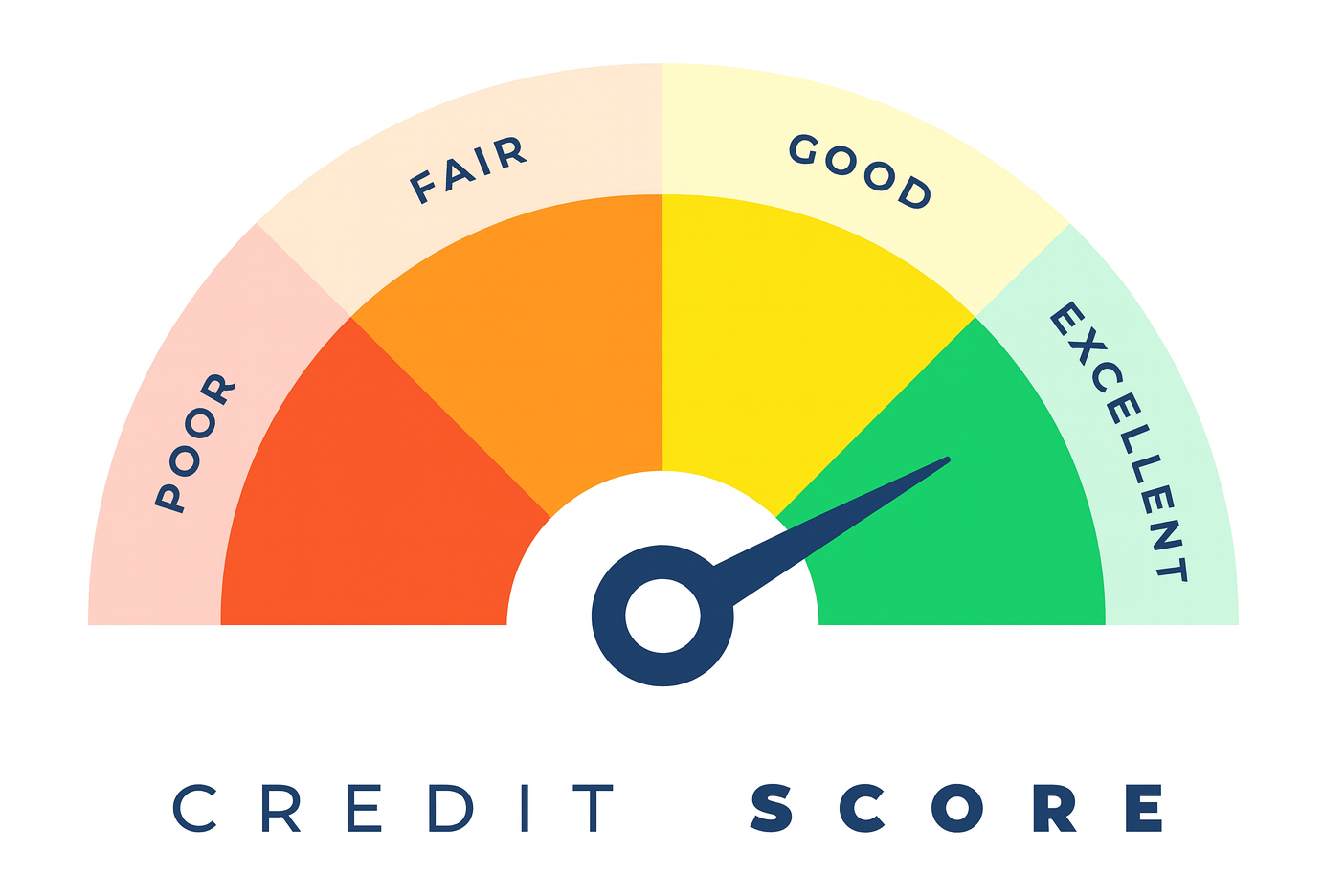
Credit cards can be powerful tools when used with intention and consistency. Small, regular practices shape the credit profile more than occasional large actions. This article outlines practical habits to help you manage cards responsibly, avoid common pitfalls, and support steady score improvement. The focus is on sustainable routines you can adopt without major lifestyle changes.
Understanding Credit Utilization
Credit utilization — the ratio of your balances to your available limits — plays a key role in scoring models. Keeping utilization low across individual cards and your total available credit signals responsible borrowing. Strategically paying down balances before the statement closing date can reduce reported utilization without changing spending. Maintaining a buffer and increasing limits selectively are additional levers to improve this metric.
Be mindful of how and when balances are reported by issuers. Regular review of utilization trends helps prevent surprises and supports steady progress.
Choosing Cards Wisely
Selecting the right cards reduces friction and cost while aligning with your spending patterns and goals. Prioritize cards with no unnecessary fees, useful rewards, and issuer tools that support alerts and reporting. Matching benefits to habits makes it easier to extract value without overspending.
- Check annual fees versus expected rewards
- Look for tools like autopay and spending alerts
- Consider card family relationships for limit flexibility
Opening a new account should have a clear purpose rather than chasing signups. Thoughtful card selection avoids clutter and minimizes hard inquiries over time.
Managing Payments and Timing
On-time payments are foundational; even a single late payment can have outsized consequences. Set up autopay for at least the minimum amount and calendar reminders for full payments if possible. Timing payments to affect statement balances, not just due dates, can alter what gets reported to bureaus. Using multiple cards strategically for different categories helps keep individual card utilization low.
Regularly reconciling statements prevents errors and fraudulent charges. Prompt dispute resolution and communication with issuers preserve both credit and peace of mind.
Monitoring and Long-Term Habits
Periodically checking reports lets you catch inaccuracies and track trends in utilization, inquiries, and account age. Use credit monitoring tools or free reports to stay informed without obsessing over daily fluctuations. Adopting a yearly review process helps align accounts with evolving financial goals.
Long-term habits like paying on time, avoiding unnecessary new credit, and maintaining low utilization compound positively. Patience and consistency typically matter more than quick fixes.
Conclusion
Building stronger credit is a process of steady, intentional decisions rather than dramatic moves. By managing utilization, choosing suitable cards, timing payments, and monitoring accounts, you create reliable momentum. Small habits maintained over time lead to meaningful improvements.