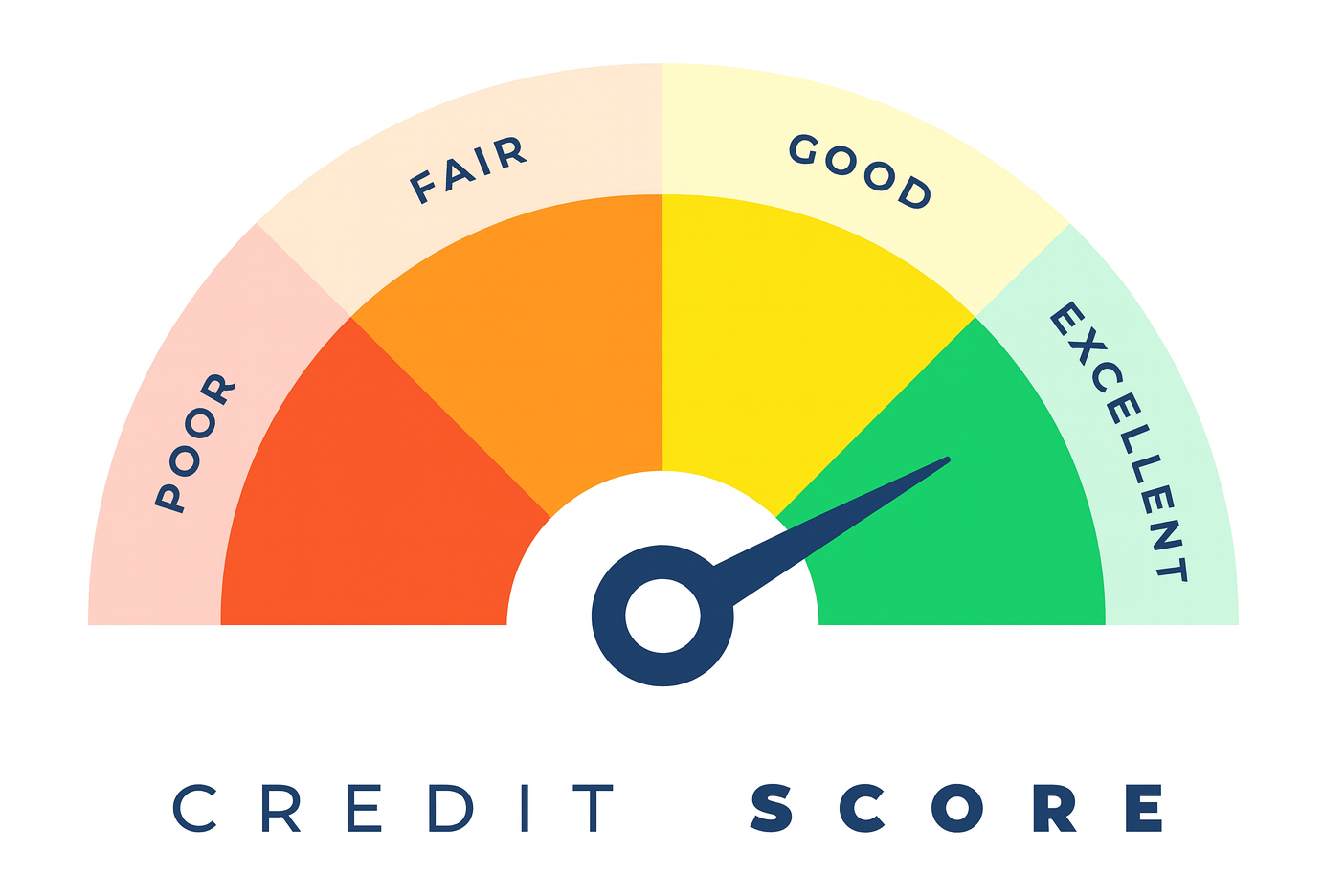
Keeping your credit utilization low is one of the most effective ways to support a healthy credit profile.
Small changes to when and how you pay can noticeably lower the balances that get reported to lenders.
This article outlines practical payment strategies you can apply to reduce utilization without major lifestyle changes.
Implementing these tactics regularly can help stabilize your credit over time.
Understand Credit Utilization
Credit utilization is the ratio of your revolving balances to your credit limits, and it directly influences credit scoring models. Lenders and scoring algorithms typically favor consumers who use a modest portion of available credit, often looking for utilization below certain thresholds. By knowing the limits and balances on each card, you can prioritize which accounts to pay down first. Regular monitoring gives you the context needed to plan targeted payments.
- Keep utilization below 30% overall
- Aim for under 10% on key accounts
Tracking utilization across accounts should be a foundational part of your payment routine. Small improvements in this ratio can produce meaningful changes in your score.
Timing Payments to Reduce Reported Balances
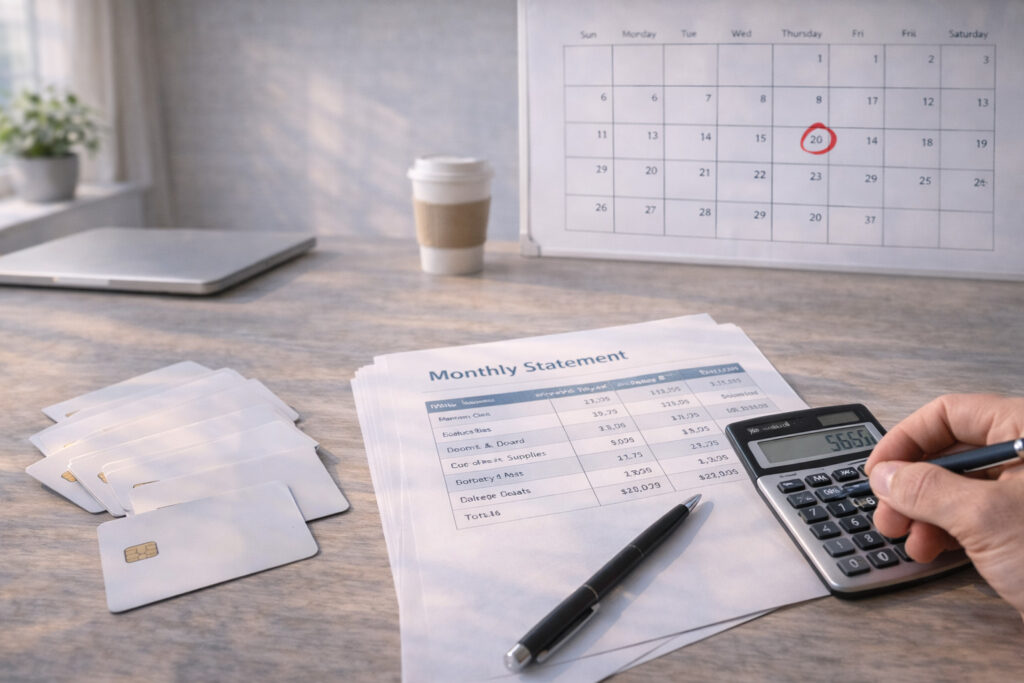
Many card issuers report the balance on your statement closing date, not your payment date. If you tend to carry balances through that date, your reported utilization will appear higher even if you pay in full later. To avoid that, consider making a payment before the statement closing date to lower the balance that gets reported. Scheduling payments around reporting cycles lets you manage the snapshot lenders see.
Review your statement dates and set reminders to pay before they close. Adjusting the timing of payments is a low-effort tactic with clear benefits.
Use Multiple Payments and Account Tools
Splitting one large monthly payment into two or more payments reduces average daily balances and can keep reported utilization low. Many issuers and banking apps support autopay and scheduled transfers that make frequent payments easy to manage. You can also request a credit limit increase when appropriate to lower utilization ratio without paying more. Combining automated tools with planned payments reduces the chance of missed steps and supports consistent results.
- Autopay for minimum and extra amounts
- Mobile alerts for balance thresholds
Frequent, small payments work well if your cash flow varies month to month. They help smooth balances and demonstrate disciplined account management.
Conclusion
Reducing credit utilization is practical with intentional payment timing and tools.
Start by identifying your statement dates and setting one extra payment each cycle.
Over time, these habits can strengthen your credit profile and expand financial options.