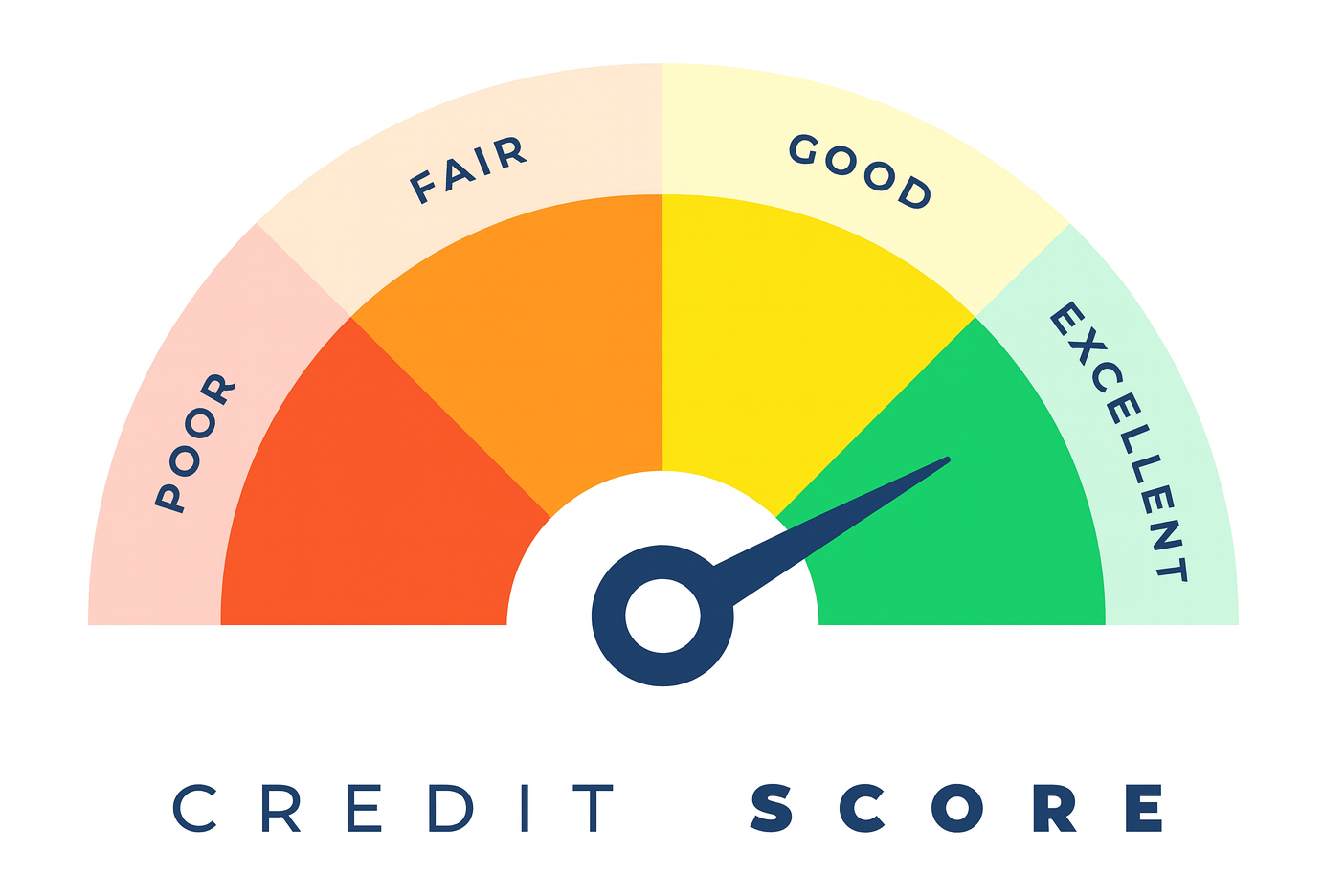
Responsible credit card use is one of the most accessible ways to build and maintain a strong credit profile. Understanding how balances, limits, posting dates, and reporting cycles interact helps you make better decisions. The tips below focus on practical actions you can take around everyday spending, billing, and account reviews. Adopt these approaches gradually to protect your score while meeting financial goals.
Understanding Card Terms
Begin by reviewing key terms such as the annual percentage rate, grace period, statement date, and any recurring or late fees that could increase long-term costs. Learn how and when your issuer reports account activity to credit bureaus, since timing affects reported balances and utilization. Recognize that payment history and utilization are often the biggest score drivers, so prioritize avoiding missed payments and keeping balances low relative to limits. Small operational changes, like adjusting your payment date or requesting a credit limit increase, can produce measurable improvements over time.
- APR: interest charged if you carry a balance.
- Grace period: time to pay before interest applies.
- Reporting: when balances are submitted to bureaus.
Regularly reviewing statements and asking questions about unfamiliar charges builds control over accounts. Periodic account audits allow you to update strategies when spending or income patterns change.
Daily Practices That Protect Your Score
Consistent on-time payments are the single most impactful habit for protecting your credit. Automating payments or setting calendar reminders reduces the risk of late fees and negative reporting. Aim to pay full balances monthly when possible; if not, focus on lowering amounts to keep utilization ratios comfortably low. Treat credit cards as a payment tool for planned expenses rather than a financing option for impulsive buys.
Monitoring activity and checking your credit report at regular intervals helps detect errors or identity issues early. Quick correction of discrepancies prevents long-term damage and supports stronger credit trends.
Using Rewards Without Risk
Rewards and cash-back programs can add meaningful value when used in conjunction with disciplined payment behavior. Choose cards whose benefits align with typical monthly spending, and weigh any annual fees against likely returns. Redeem points smartly and avoid pursuing rewards that encourage overspending or carrying balances to chase perks. Keep rewards as a complement to, not a substitute for, sound credit management.
- Select rewards that match real expenses.
- Track redemption rates to maximize value.
- Avoid overspending to earn extra points.
When rewards enhance everyday spending without increasing costs, they become a net positive for your financial plan. Use them strategically and review whether each card still serves your goals during annual account checks.
Conclusion
Consistent payments, mindful utilization, and informed card choices create steady score improvement. Make incremental adjustments and monitor results to maintain progress. These practical habits support long-term credit health without unnecessary risk.