Experiencing a credit setback can feel overwhelming, but recovery is possible with a steady plan and realistic expectations.
Start by understanding the specific events that affected your credit and gather the relevant documents.
Small, consistent actions over time will rebuild trust with lenders and improve your score gradually.
This guide outlines practical steps to help you move forward and regain financial stability.
Assessing the Damage
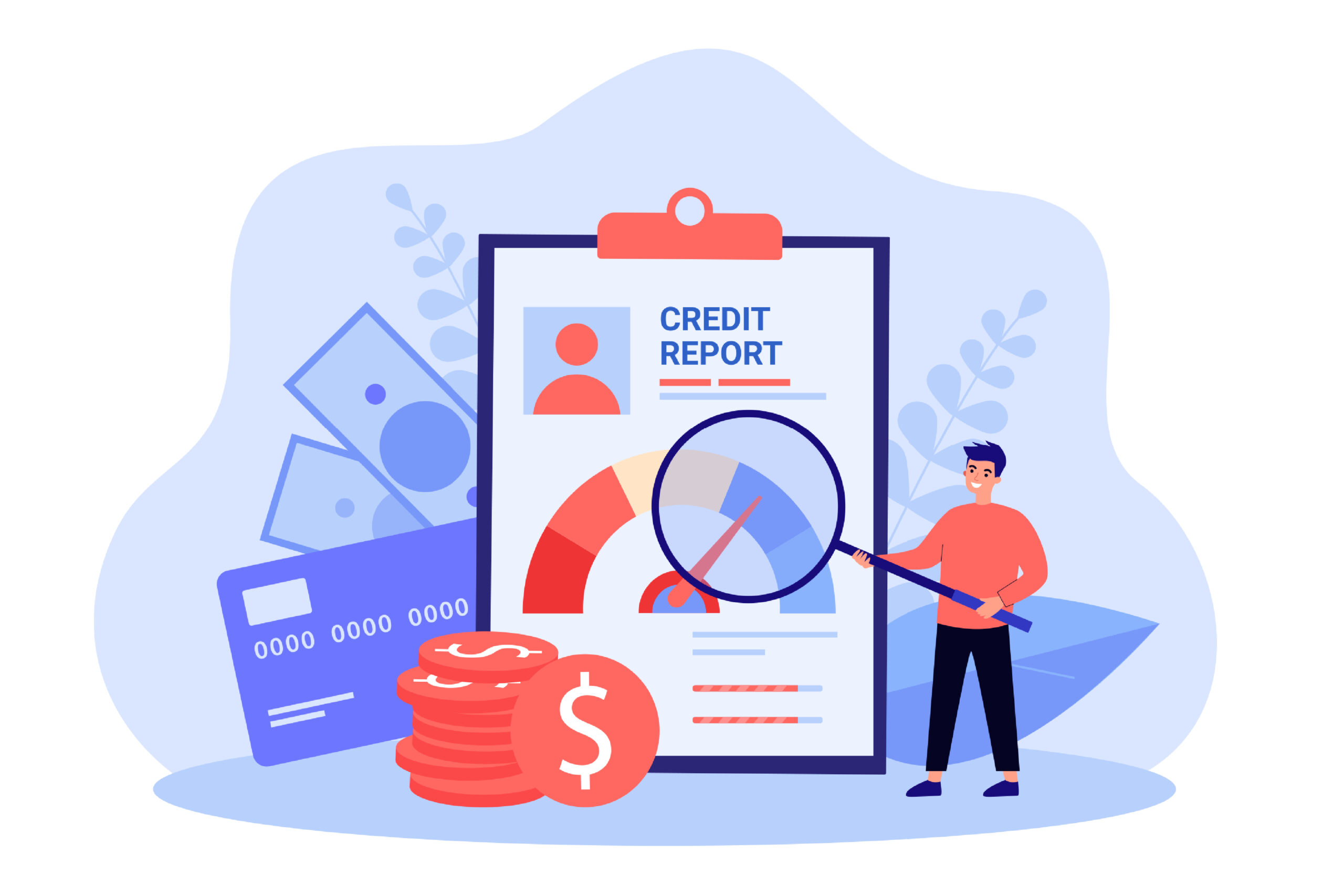
Begin by obtaining a current credit report and reviewing it carefully for errors, late payments, or accounts in collections. Check for inaccuracies such as incorrect balances or accounts that do not belong to you, and promptly dispute any mistakes with the reporting agency. Understanding the mix of derogatory items versus minor issues helps prioritize which problems to address first. A clear assessment provides a roadmap and reduces uncertainty as you make repair decisions.
Once you know the issues, prioritize disputes and documentation to support corrections. Staying organized during this phase speeds up resolution and avoids repeated setbacks.
Immediate Actions to Stabilize Your Credit
If you have missed payments, catch up where possible and create a plan to avoid future lapses by automating payments or setting reminders. If balances are high, focus on lowering credit utilization under 30 percent of available limits, which can have a quick positive effect on your score. Communicate proactively with creditors to negotiate payment plans or hardship arrangements that may prevent accounts from becoming charged off. These initial steps reduce ongoing damage and signal better risk to future lenders.
Small changes like autopay and short-term negotiations often prevent items from worsening and give you breathing room to rebuild.
Rebuilding Strategies That Work
Rebuilding credit combines consistent on-time payments, reducing outstanding balances, and diversifying account types responsibly. Consider secured credit products or credit-builder loans if you have limited access to traditional credit; these tools can generate positive payment history when used correctly. Avoid opening multiple new accounts at once, as hard inquiries and rapid account growth can suppress your score temporarily. Over time, steady responsible behavior is the most reliable driver of improvement.
Set realistic milestones and track progress monthly so you can adjust strategies and celebrate incremental wins along the way.
Monitoring and Ongoing Maintenance
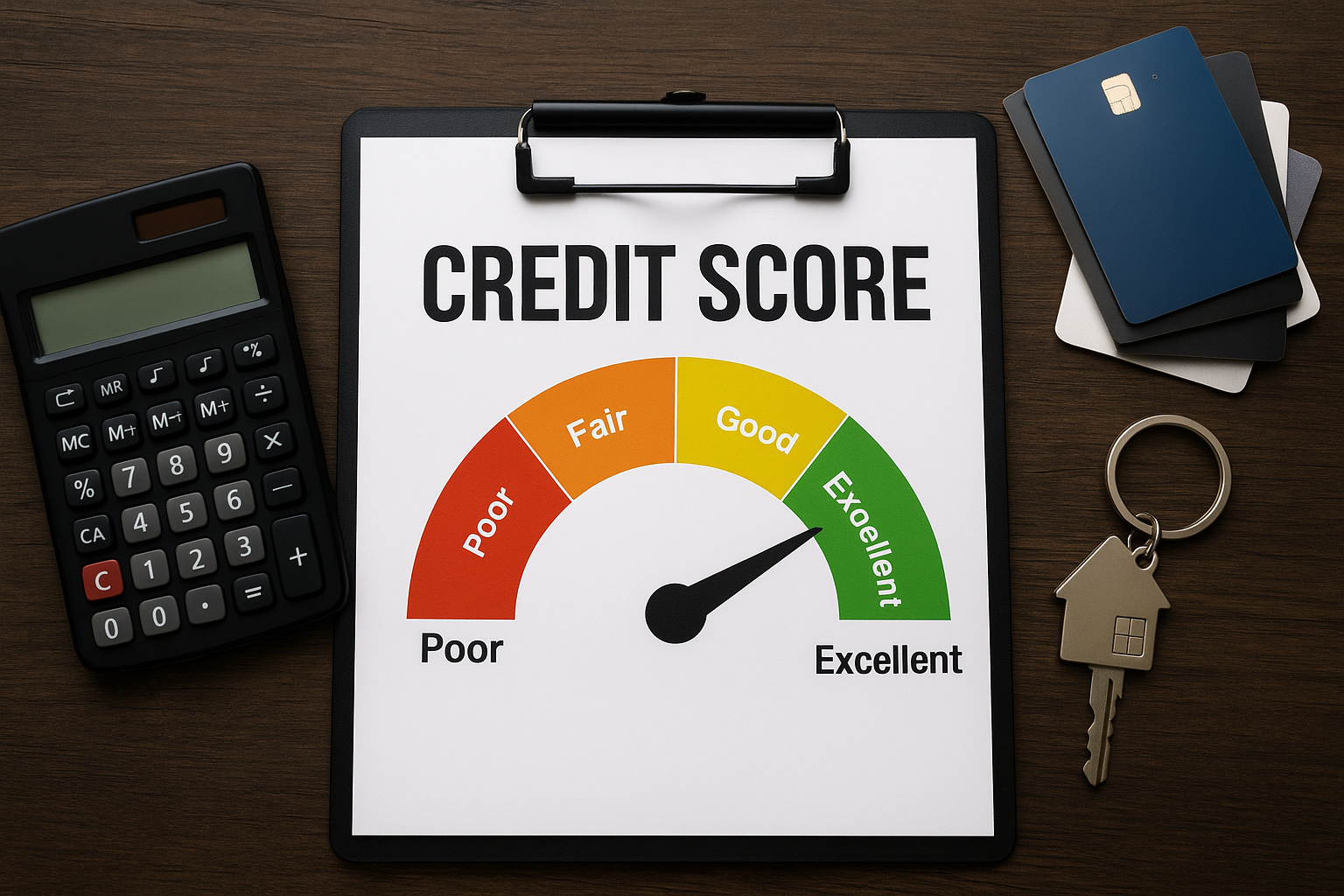
Regularly monitor your credit reports and scores to catch issues early and confirm repairs were applied. Use alerts for significant account changes and periodically review your budget to ensure payments remain sustainable as life circumstances change. Long-term maintenance includes keeping older accounts open, managing utilization, and avoiding risky financial moves during recovery periods. Vigilant monitoring helps preserve gains and prevents future shocks to your credit profile.
Consistent attention and modest habits create durable protection for your credit moving forward.
Conclusion
Recovery from a credit setback is a gradual process that rewards persistence and organization.
Focus on accurate reporting, steady payments, and smart use of credit tools to rebuild responsibly.
With time and discipline you can restore score health and greater financial options.