Credit cards are a useful financial tool when used with discipline and awareness. Developing consistent habits can reduce costs, prevent stress, and build a stronger credit profile. Small changes in how you choose and use a card often produce outsized benefits over time. This guide covers practical steps to manage cards responsibly and make them work for your financial goals.
Choosing the Right Card
Selecting a card begins by matching features to your spending patterns and goals. Look at interest rates, annual fees, rewards structure, and additional benefits such as purchase protection or travel perks. Consider introductory offers but base decisions on long-term value rather than short-term incentives. Comparing a few options helps avoid paying for features you will not use.
- Interest rates and fees to understand total cost.
- Rewards and benefits that align with everyday spending.
- Credit limit and cardholder protections available.
Prioritize simplicity and transparency in the terms you accept. The best card is one you understand and can use responsibly.
Managing Balances and Payments
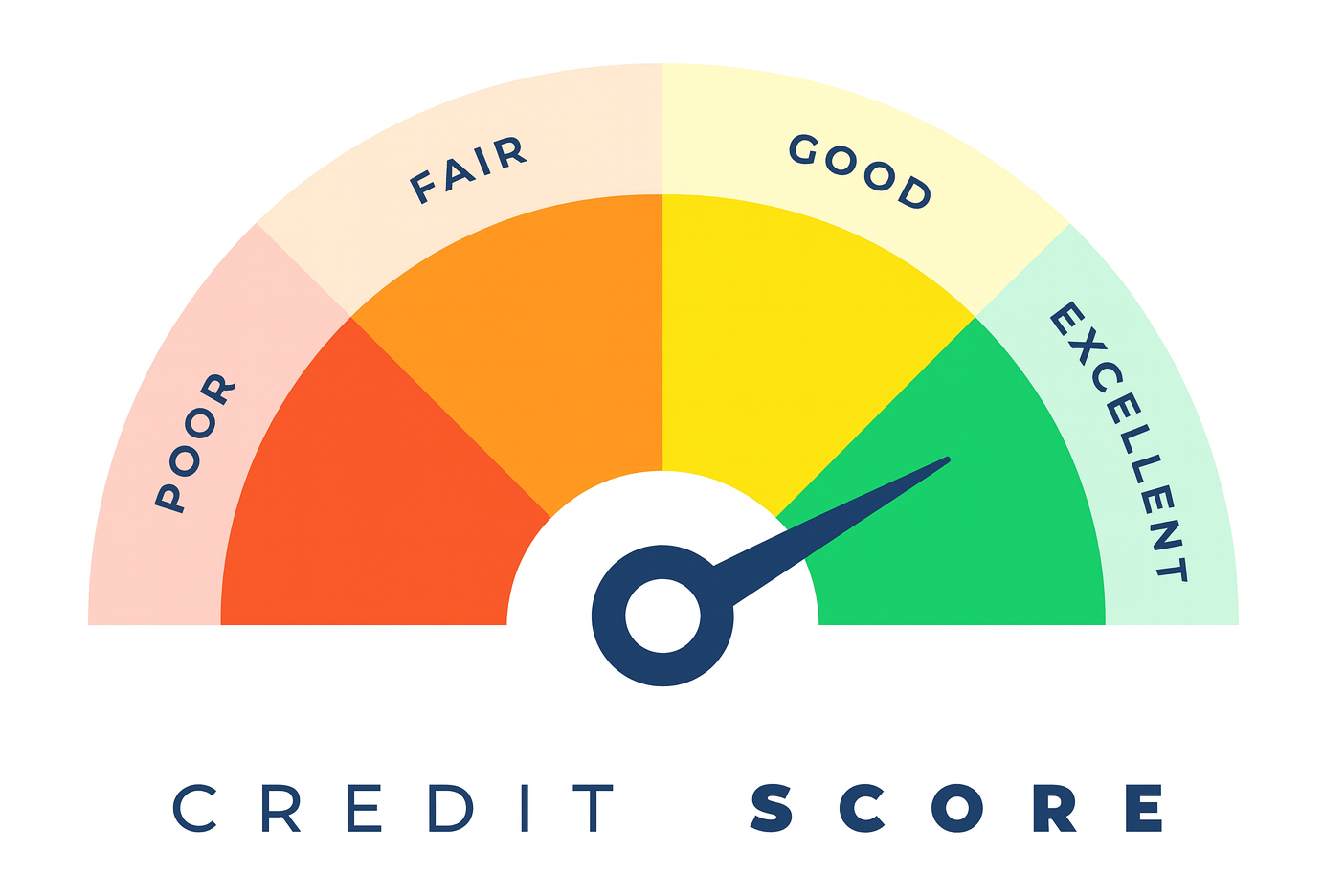
Consistent on-time payments are the single most important habit for positive credit outcomes. Aim to pay the statement balance in full each month to avoid interest charges whenever possible. If carrying a balance, focus on lowering the utilization ratio by paying down the highest-rate balances first and keeping overall usage under about 30% of limits. Automated payments and monthly budgeting reduce the risk of missed due dates.
Establish a routine that aligns billing cycles with income flow. Small, regular payments can ease payoff and improve financial confidence.
Maximizing Rewards Without Overspending
Rewards programs add value, but chasing points can lead to unnecessary purchases. Choose cards that reward the categories where you already spend, and avoid increasing spending purely to earn perks. Track reward expiration and redemption rules so points retain value, and consolidate rewards where possible for greater impact. Remember that rewards should be a bonus, not the reason to carry debt.
Plan redemptions to suit your priorities and avoid inflated valuations. Treat rewards as supplemental return, not income.
Monitoring and Protecting Your Account
Regular account monitoring catches errors, fraud, and unexpected charges early. Set up transaction alerts, review monthly statements, and reconcile unfamiliar activity promptly to limit exposure. Keep your contact information current and enable two-factor authentication where available for an added layer of security. Periodic credit report checks can also highlight identity issues or reporting mistakes.
- Set custom alerts for transactions and due dates.
- Use strong passwords and enable two-factor authentication.
- Review credit reports annually to spot discrepancies.
Timely action on discrepancies preserves your rights and can prevent long-term damage. Prevention and vigilance keep accounts working for you.
Conclusion
Adopting a few disciplined habits transforms credit cards from risk into a strategic financial tool. Focus on choosing suitable products, controlling balances, using rewards sensibly, and monitoring activity regularly. Over time these practices support better credit health and greater financial freedom.