Credit cards are powerful tools when used with intention and awareness. Small changes in how you choose and use cards can reduce costs and boost benefits. This article outlines practical steps to understand card features, manage balances, and make reward programs work for you. Follow these strategies to keep flexibility without taking on unnecessary risk.
Understanding Your Card Features
Start by reviewing the key features of each card: interest rates, grace periods, fees, and reward structures. Knowing the annual percentage rate (APR) and when interest starts helps you avoid surprises. Consider whether benefits like purchase protection or extended warranties align with your spending habits. Compare these elements across cards to pick the best fit for specific needs.
- APR and interest terms
- Annual fees and penalties
- Rewards structure and limits
A clear inventory of features makes it easier to decide which card to use for each purchase. Revisit this review periodically as issuers may change terms.
Balancing Rewards and Costs
Rewards can offset expenses, but only when they don’t encourage overspending. Evaluate whether cashback, points, or travel perks deliver net value after fees and interest. Use rotating categories or bonus offers strategically and prioritize cards that align with your typical monthly spend. Avoid carrying balances on high-reward cards that have high APRs, as interest can negate any earned benefits.
Set simple rules for when to chase rewards and when to stay conservative. Consistency beats chasing marginal gains.
Practical Habits for Healthy Credit
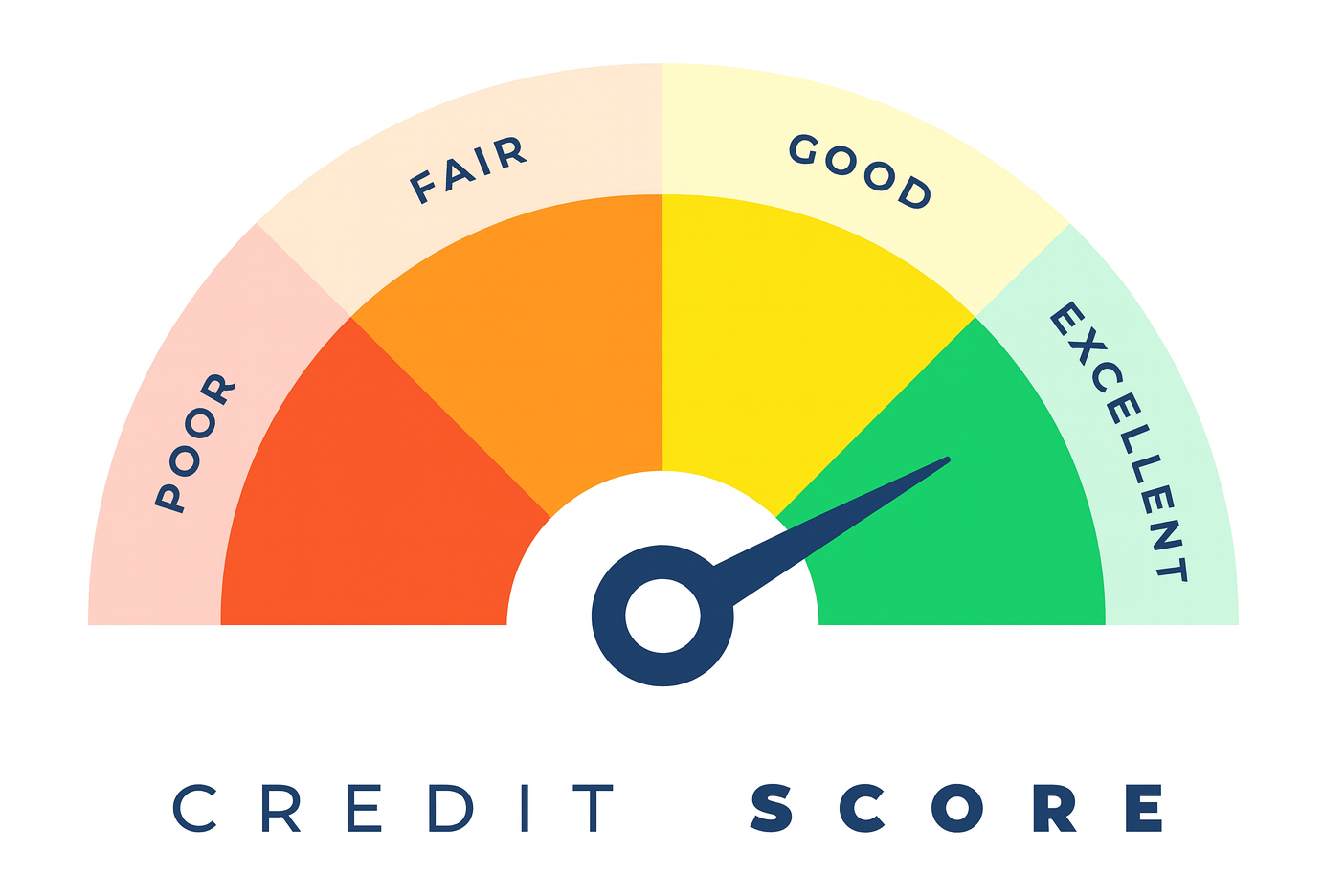
Adopt habits that protect your score and cash flow: pay on time, keep utilization low, and monitor statements regularly. Automate payments for at least the minimum to avoid late fees, then target full balances when possible. If balance transfers or lower-rate offers make sense, calculate fees to ensure savings. Regularly check your credit report to catch inaccuracies early.
Small, consistent behaviors reduce stress and preserve borrowing power. Over time these habits compound into stronger financial options.
Planning for Unexpected Expenses
Use your credit card thoughtfully as part of an emergency plan rather than a first resort. Build an emergency savings buffer and treat cards as short-term liquidity for true surprises. Know your available credit limit and set alerts for large transactions to spot fraud early. If you expect an unusual expense, consider negotiating a temporary limit increase or using a lower-rate option.
Document decisions and pay down emergency balances quickly to avoid high interest. Clear communication with card issuers can create flexibility when needed.
Conclusion
Thoughtful card selection and disciplined habits unlock the benefits of credit without the drawbacks. Focus on clarity: know the fees, manage balances, and use rewards intentionally. Those practices make credit cards work for you, not against you.