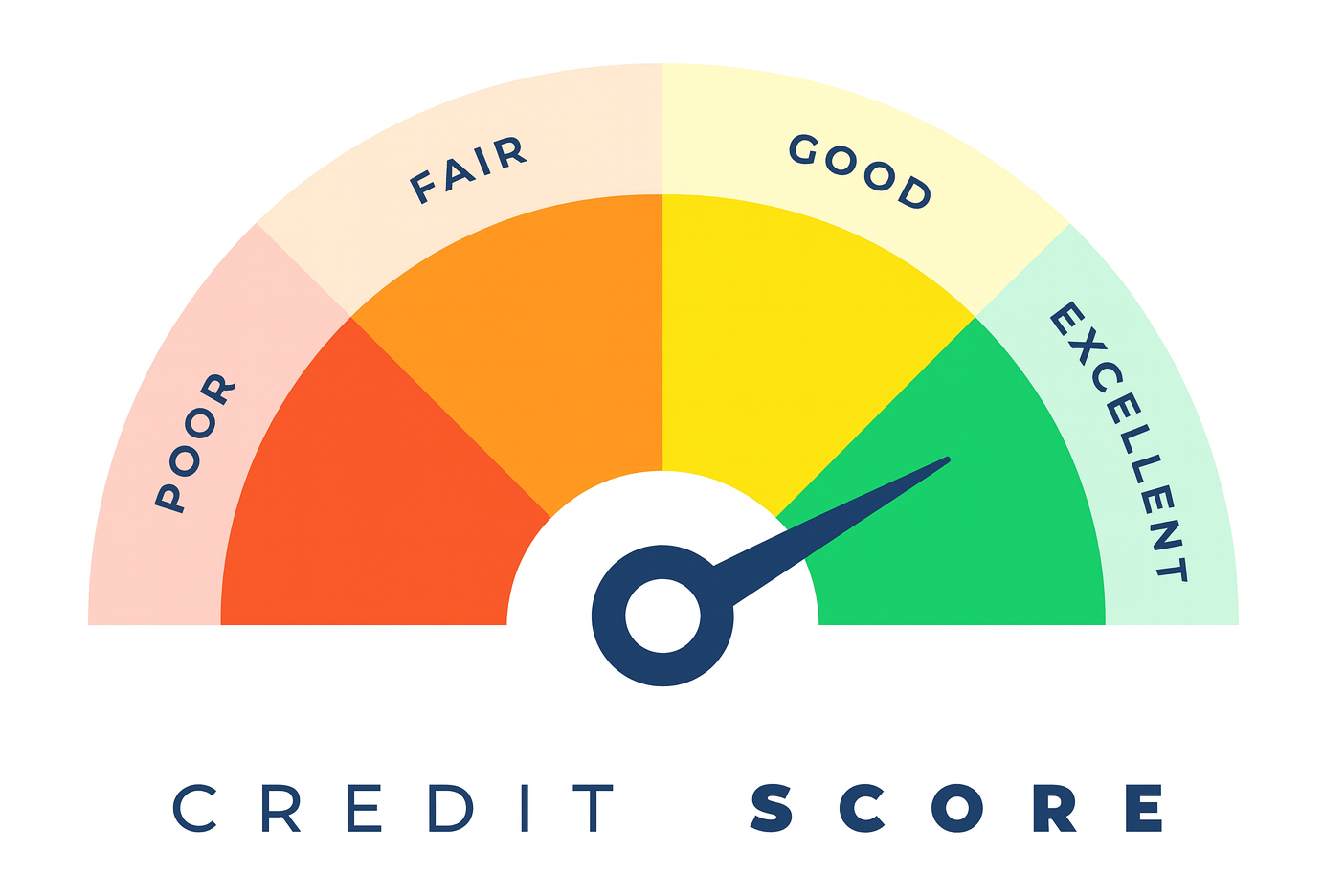
Credit cards can be useful tools when used with intention, but many people struggle to align spending with long-term goals. A straightforward framework helps turn daily choices into reliable habits without overwhelming your schedule. This article outlines practical steps to set goals, create rules, and adapt as your financial situation changes. Follow these suggestions to gain confidence and reduce common credit card pitfalls.
With a small set of consistent practices you can protect your credit score, avoid unnecessary fees, and make reward programs work for you. The framework is designed for flexibility so it fits different income levels and priorities.
Set Clear, Measurable Goals
Start by identifying what you want credit cards to accomplish: emergency access, cashflow smoothing, building credit history, or earning rewards. Define measurable targets like keeping utilization under a percentage, paying the statement balance each month, or accumulating a specific amount of points. Clear objectives make it easier to choose the right card features and to monitor progress. When goals are concrete, behavior changes from reactive spending to purposeful decision-making.
Review goals quarterly to ensure they still match your financial priorities. Adjust targets if circumstances such as income or family needs change.
Design Simple, Enforceable Rules
Create a short list of rules that are easy to follow every day, such as one card for essentials, one for rewards, and auto-pay for the minimum or full balance. Rules reduce decision fatigue and prevent mixing personal and discretionary purchases. Keep them realistic—complex rules are harder to enforce and more likely to be abandoned. Document your rules in a short note on your phone or a budgeting app.
- Rule example: Pay the statement balance in full each month.
- Rule example: Keep utilization below 30% across all cards.
Enforce rules with automated reminders and a simple tracking habit each week. Consistency beats intensity when building credit habits.
Monitor, Review, and Adjust Regularly
Schedule a brief monthly review to check balances, fees, rewards, and credit utilization. Use that time to catch billing errors, identify unnecessary subscriptions, and confirm that rewards are being redeemed efficiently. Monitoring helps you detect trends before they become problems and allows you to reallocate spending or change cards if needed. Small, regular adjustments prevent costly surprises and keep your strategy aligned with goals.
Consider annual reviews of card benefits versus costs to decide if a card still earns its place in your wallet. Make changes deliberately rather than emotionally.
Conclusion
Adopting a simple framework—set goals, create enforceable rules, and review regularly—makes credit cards serve your financial plan. Consistent, small actions reduce risk and open opportunities to earn rewards without overspending. Over time these habits build credit strength and financial confidence.