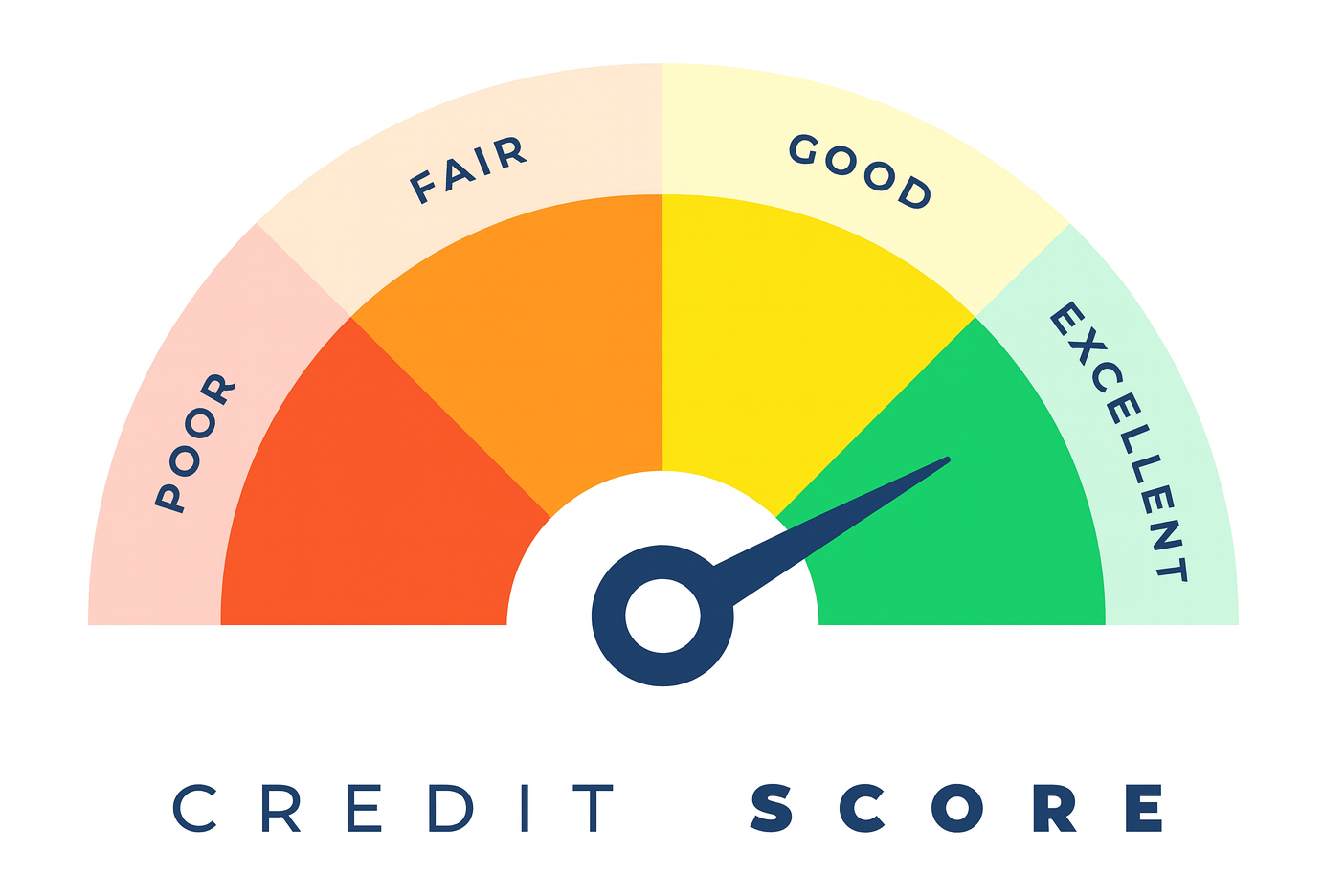
Credit cards can be powerful tools when used intentionally, but they can also create financial strain if mismanaged. This article outlines practical habits that help you maintain convenience and build credit without unnecessary costs. The focus is on simple, repeatable actions that fit into everyday routines and long-term planning. Adopting these practices can reduce interest payments and improve financial flexibility.
Assessing card features and fees
When choosing a credit card, start by comparing annual fees, interest rates, and reward structures. Low or no annual fee cards reduce fixed costs, while cards with benefits may justify a higher fee if you actually use the perks. Look closely at the variable APR and how introductory rates revert after the promotional period. Also review foreign transaction fees, balance transfer terms, and any hidden charges before applying.
Being aware of costs prevents surprises and protects your budget. A careful comparison ensures the card aligns with your typical spending patterns.
Practical balance and payment strategies
Paying the full statement balance each month avoids interest and keeps debt under control. If you must carry a balance, prioritize higher-rate debt and consider a balance transfer with a clear payoff plan. Set up automatic payments for at least the minimum due to avoid late fees and credit score damage. Use budgeting tools to map credit card cycles to income timing, reducing the temptation to rely on credit for everyday expenses.
Consistency in payments is one of the strongest determinants of credit health. Automating and planning removes friction and reduces costly mistakes.
Using rewards without overspending
Rewards are valuable, but only when earned on purchases you would already make. Track categories that earn the most cash back or points and concentrate spending there without inflating your expenses. Redeem rewards strategically for statement credits, travel, or purchases that return the most value. Avoid chasing sign-up bonuses with purchases you cannot afford.
A deliberate rewards plan boosts value while protecting your overall budget. Prioritizing real savings keeps rewards beneficial rather than costly.
Monitoring credit and making adjustments
Regularly review your credit reports and scores to catch errors and monitor trends. Adjust card usage if utilization creeps up, for example by increasing payments or requesting higher limits judiciously. Periodically reassess whether a card’s benefits still match your lifestyle and close or downgrade accounts only when it makes sense. Small, timely adjustments help maintain low utilization and a robust credit profile.
Active monitoring makes small problems manageable before they grow. A proactive approach keeps your credit cards working for you.
Conclusion
Smart habits combine thoughtful selection, disciplined payment behavior, and regular review. Sticking to these principles reduces costs and strengthens financial options. Start small and build consistent routines that support long-term stability.