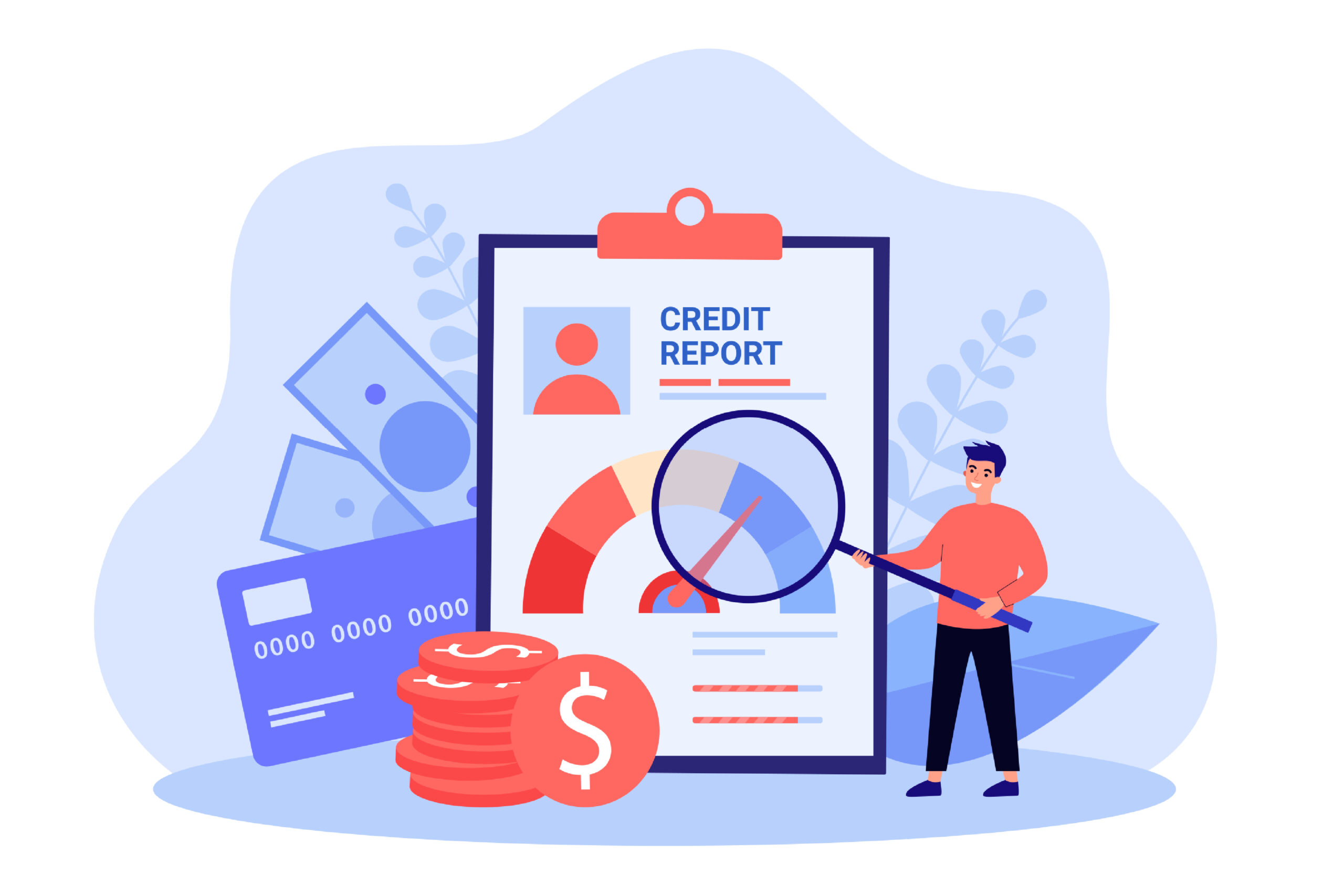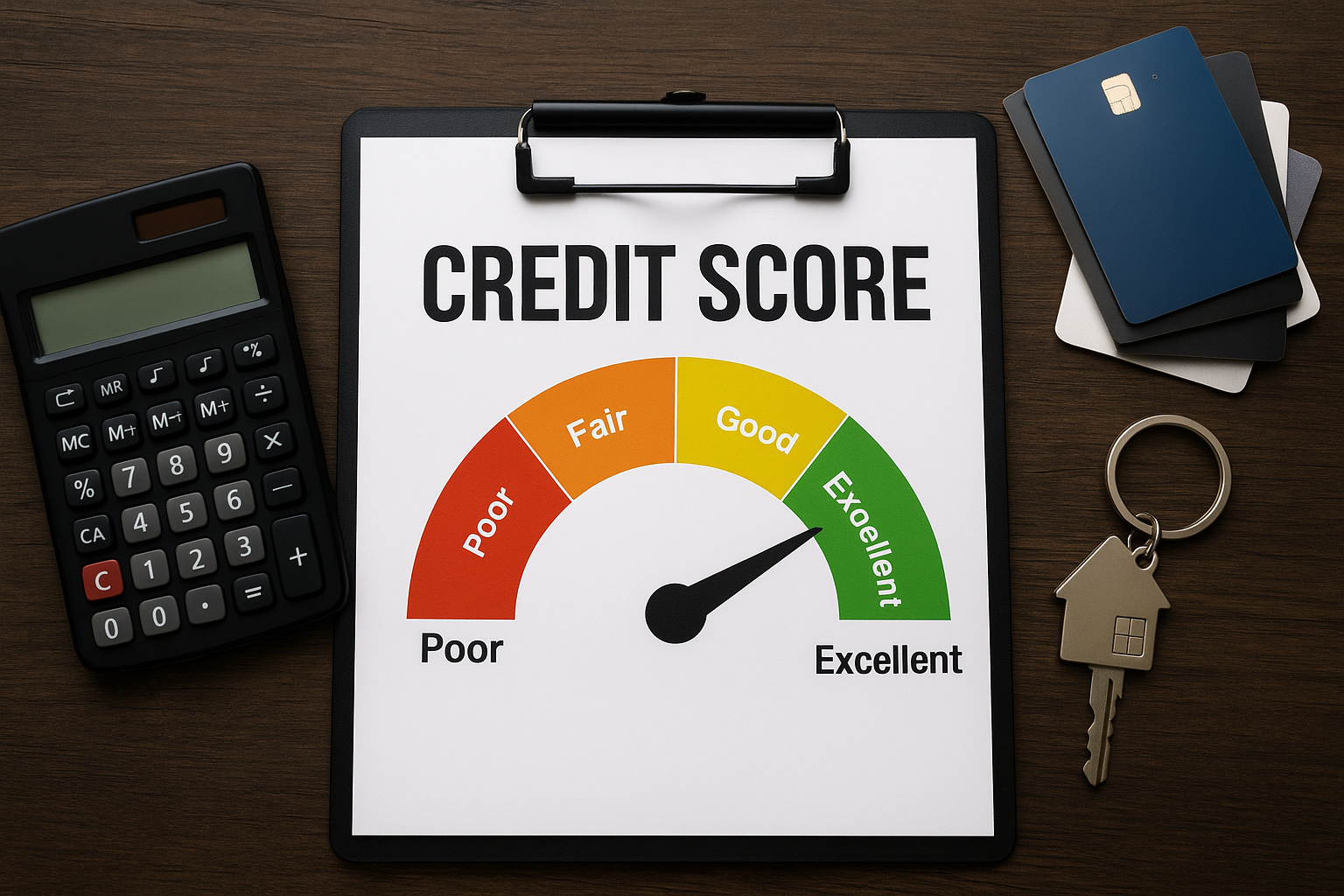
Improving your credit score starts with small, consistent actions that compound over time.
This article outlines practical habits and checkpoints to rebuild or strengthen your credit health.
We focus on payment timing, balance management, account decisions, and monitoring tactics that fit everyday life.
Follow these steps to create a clear, manageable plan for measurable progress.
Manage Payments and Balances
Timely payments are the single most influential driver of your credit history, and consistently meeting due dates prevents negative marks that linger. Paying bills on or before the due date reduces late-payment risk and improves your payment record. Keep utilization low by maintaining balances well below your limits, ideally under 30 percent, and lower when possible. Even occasional extra payments or small overpayments toward balances can lower utilization faster than waiting for one large payment. Regularly schedule payments or use automated transfers to avoid accidental misses.
- Set up autopay for recurring bills to eliminate forgetfulness.
- Prioritize cards with the highest utilization to bring ratios down.
- Consider balance transfers only when fees and terms clearly benefit your situation.
Small routine changes here improve payment history and utilization scores. Over months, these habits will reflect as steady, measurable gains.
Optimize Credit Mix and Account Age
Scoring models consider the variety and length of your credit accounts when evaluating reliability. Keep older accounts open to preserve average account age, but avoid opening unnecessary new credit that shortens your history. If you need new credit, choose products that serve a specific purpose and have favorable terms to avoid costly turnover. For those rebuilding, secured cards or becoming an authorized user on a trusted account can help establish positive history without excessive risk. Maintain a sensible mix of installment loans and revolving credit to show responsible handling of different obligations.
Thoughtful decisions about openings and closures protect long-term score components. Review account status periodically to ensure each account adds value to your overall profile.
Monitor, Dispute, and Build Positive Habits
Regularly reviewing your credit report helps catch errors, identity issues, or outdated information that can harm your score. Obtain your reports and use monitoring tools to flag unfamiliar activity quickly, then document findings for any disputes. When you spot inaccuracies, dispute them with the reporting agency and furnish supporting documentation to speed resolution. Combine monitoring with a simple financial routine: budgeting, an emergency cushion, and strategic payments timed to reduce reported balances. If you face identity-theft risks, consider freezes or targeted alerts to restrict new account openings.
- Check reports at least annually and more often after major life changes.
- Document and follow up on disputes until corrections are reflected.
- Use alerts for due dates and large balance shifts to stay proactive.
Monitoring turns passive credit management into proactive protection. These habits help you respond quickly and preserve improvements.
Conclusion
Improving a credit score is a gradual process driven by consistent choices.
Focus on punctual payments, sensible account management, and ongoing monitoring to see steady results.
With patience and simple routines, measurable improvement becomes realistic and sustainable.