Keeping a short monthly routine around your credit cards can save money, reduce stress, and protect your score without eating up much time. A few consistent checks — payment timing, balances, suspicious activity, and reward opportunities — prevent little issues from turning into big ones. This article lays out a compact checklist you can use at the start or end of each month to stay on top of cards. Follow these steps and you’ll spend smarter, avoid fees, and keep an eye on long-term credit health.
Start with a quick account sweep
Open each card account and scan recent transactions for anything unfamiliar or duplicate charges. Confirm statement balances and look for pending holds that might affect your usable credit. Note any upcoming payments, new offers, or card changes the issuer has posted. This practice catches mistakes early and reduces the chance of fraud going unnoticed.
Make it a two-minute habit: flag anything odd, then schedule a follow-up or call the issuer. Regular sweeps keep surprises to a minimum and make disputes easier to resolve.
Plan your payments to lower utilization
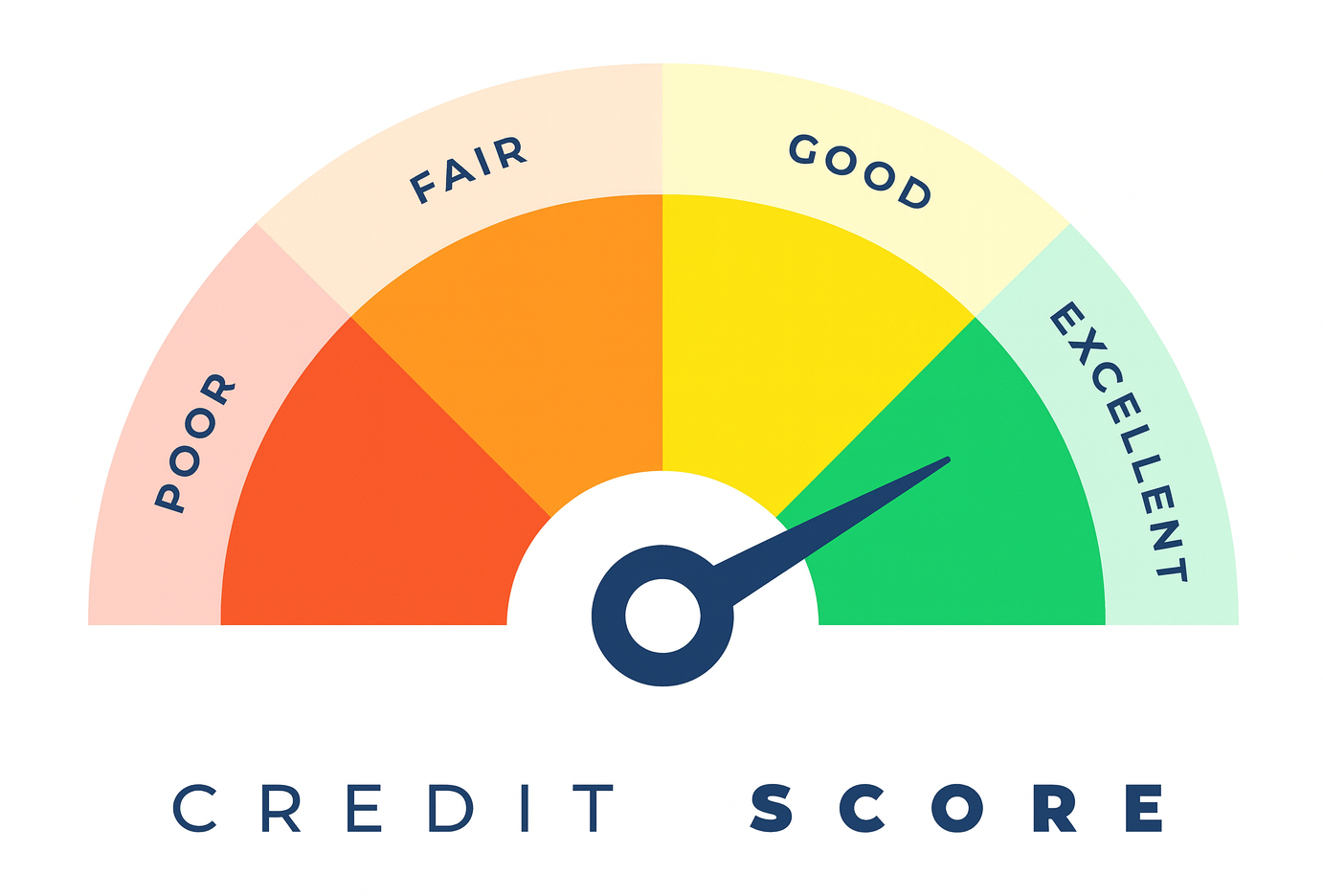
High utilization harms credit more than a single late payment, so plan payments around billing cycles rather than just due dates. If possible, pay down balances before the statement closing date to lower the reported balance. Splitting payments during the month can prevent large balances from accumulating and reduce interest charges.
Set calendar reminders or automated transfers for at least the statement minimum, then add a second transfer to chip away at principal. Consistent timing keeps utilization in check and improves the effectiveness of your payments.
Capture rewards without overspending
Review which cards give the best return for groceries, gas, travel, or business purchases and route spend accordingly. Don’t chase rewards with purchases you wouldn’t normally make; focus on maximizing everyday spending you already plan to do. Track expiration dates for points or elevated categories to avoid losing value.
Create a simple priority list so you reach for the right card in each situation. A little planning turns routine purchases into small, steady returns without increasing overall spend.
Lock down security and account settings
Check that contact information is current, enable transaction alerts, and confirm two-factor authentication where available. Remove any forgotten authorized users or linked services no longer in use. Update passwords periodically and use a password manager to keep credentials unique and strong.
These steps reduce the fallout from a lost card or breached account. Small security habits stack up and make recovery faster if something does go wrong.
Quick checklist to keep nearby
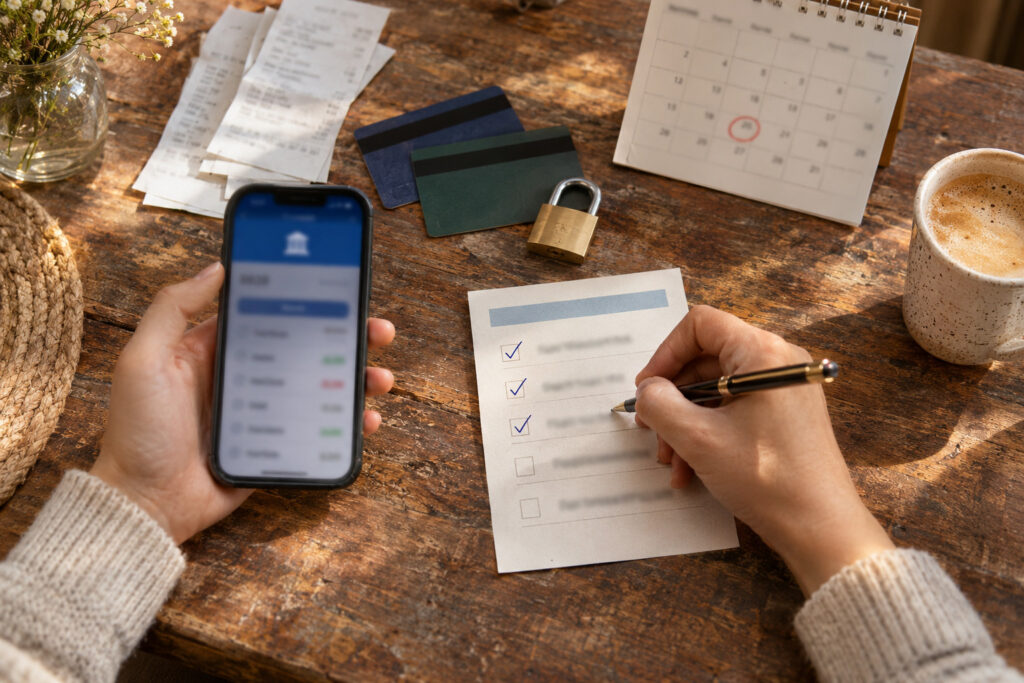
Keep a short written checklist you can run through in five to ten minutes each month: recent transactions, statement balance, pre-close payments, rewards review, and security settings. Ticking off five items regularly makes the process painless and predictable. When habits are short and repeatable, they’re far more likely to stick.
Review the checklist after major life changes like a move, job change, or new account. Update it as your cards and priorities evolve so the routine stays relevant.
Conclusion
Spend a few minutes each month on a short, focused checklist to reduce fees, protect your accounts, and improve your credit profile. Small, repeated actions—checking transactions, timing payments, and reviewing rewards—add up to meaningful benefits. Keep the routine simple so it becomes part of your regular financial rhythm.