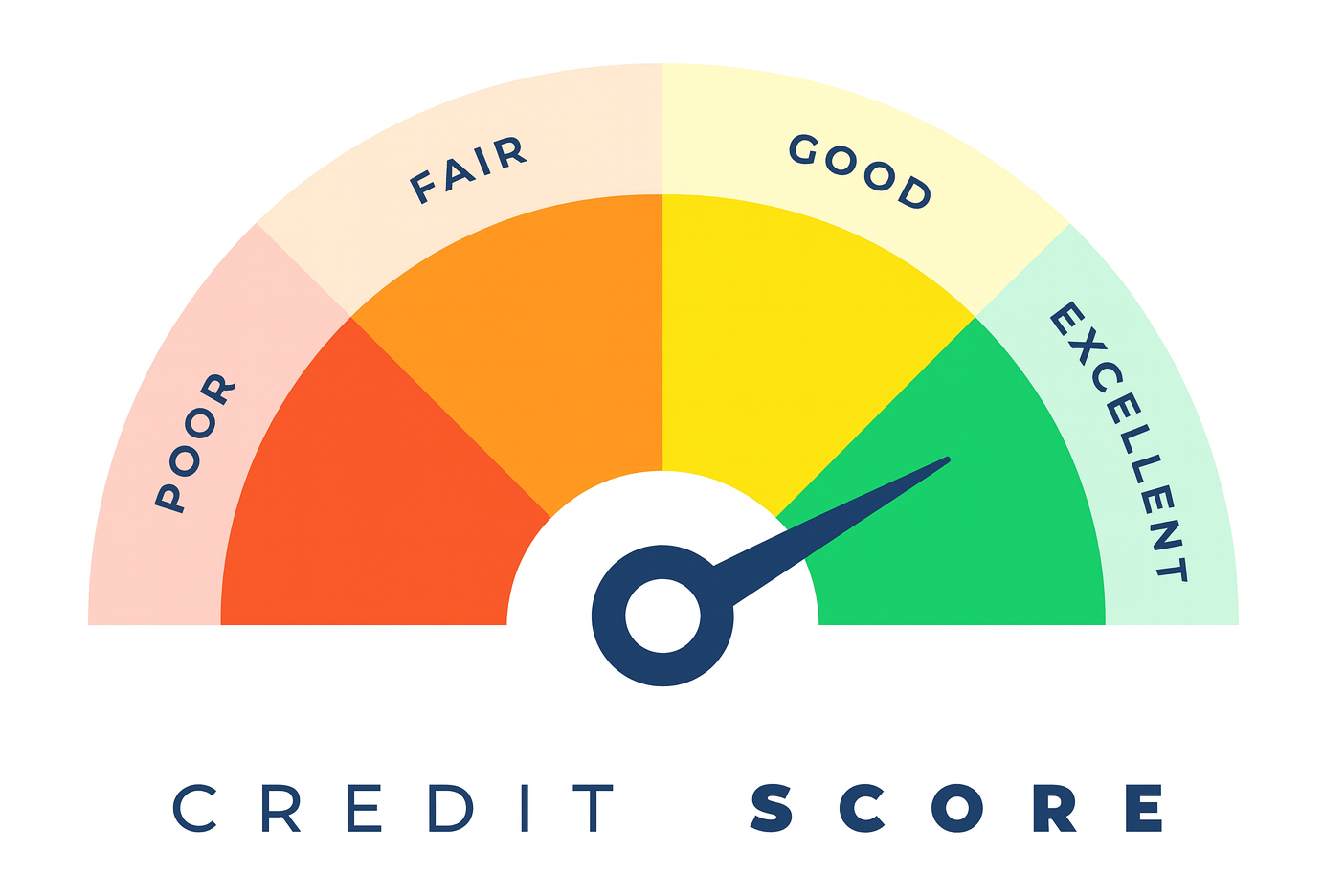
Managing credit cards well supports healthy long-term credit.
Small, consistent practices often matter more than large changes.
This article outlines a clear, practical framework to guide everyday choices.
Apply these principles to lower risk and improve credit outcomes.
The suggestions are straightforward and adaptable to most financial situations.
Understanding Credit Utilization
Credit utilization is the share of available revolving credit you use at a given time. Keeping utilization low signals responsible borrowing to lenders and credit scoring models. Aim to use a modest portion of available limits and avoid letting balances climb through the billing cycle. Regularly reviewing balances helps keep utilization in a healthy range.
Targeting utilization below commonly recommended thresholds can improve score momentum. Even small reductions sustained over months tend to produce measurable benefits for credit profiles.
Payment Timing and Frequency
Payment timing influences both your balances and how costs accrue. Paying before the statement closing date lowers reported balances and can reduce utilization. Scheduling smaller, more frequent payments prevents large spikes and eases cash flow. Automated payments help avoid late fees and provide consistency for credit reporting.
Adopt a rhythm that matches income cycles and minimizes reported balances. Consistent on-time payments are among the strongest positive signals for credit health.
Choosing the Right Card and Limits
Select cards that match spending habits and financial goals rather than chasing rewards alone. Higher limits can help utilization but avoid requesting limits you cannot manage responsibly. Opening many new accounts in a short period can weigh on credit, so space applications. Consider secured or low-interest products if rebuilding or managing debt.
- Prioritize cards with tools that support tracking and alerts.
- Look for transparent fees and flexible payment options.
Choosing deliberately reduces friction and unexpected costs. Reevaluate cards annually to ensure alignment with goals.
Managing Multiple Cards Effectively
Having multiple cards can offer flexibility but also adds complexity to tracking due dates and utilization. Assigning a primary card for recurring bills and a secondary card for variable spending simplifies bookkeeping. Keep a calendar of due dates and set reminders to prevent late payments across accounts. Periodically evaluate whether each card continues to provide net value based on fees and benefits.
Close underused accounts only after considering effects on average account age and utilization. Maintain a manageable number of accounts to balance benefits with oversight needs.
Monitoring and Smart Adjustments
Regular monitoring helps catch errors and unauthorized activity early, preserving score integrity. Use built-in alerts for due dates and balance thresholds to act before problems arise. When adjustments are necessary, compare options such as balance transfers or targeted repayment plans. Make changes cautiously and track their impact over several months.
Small, measured adjustments are preferable to reactive moves. Keep records of decisions and review progress quarterly.
Conclusion
Responsible card use is a manageable skill developed with simple routines.
Focus on utilization, payment timing, and sensible card selection.
Consistent monitoring and modest adjustments compound into meaningful credit improvements.