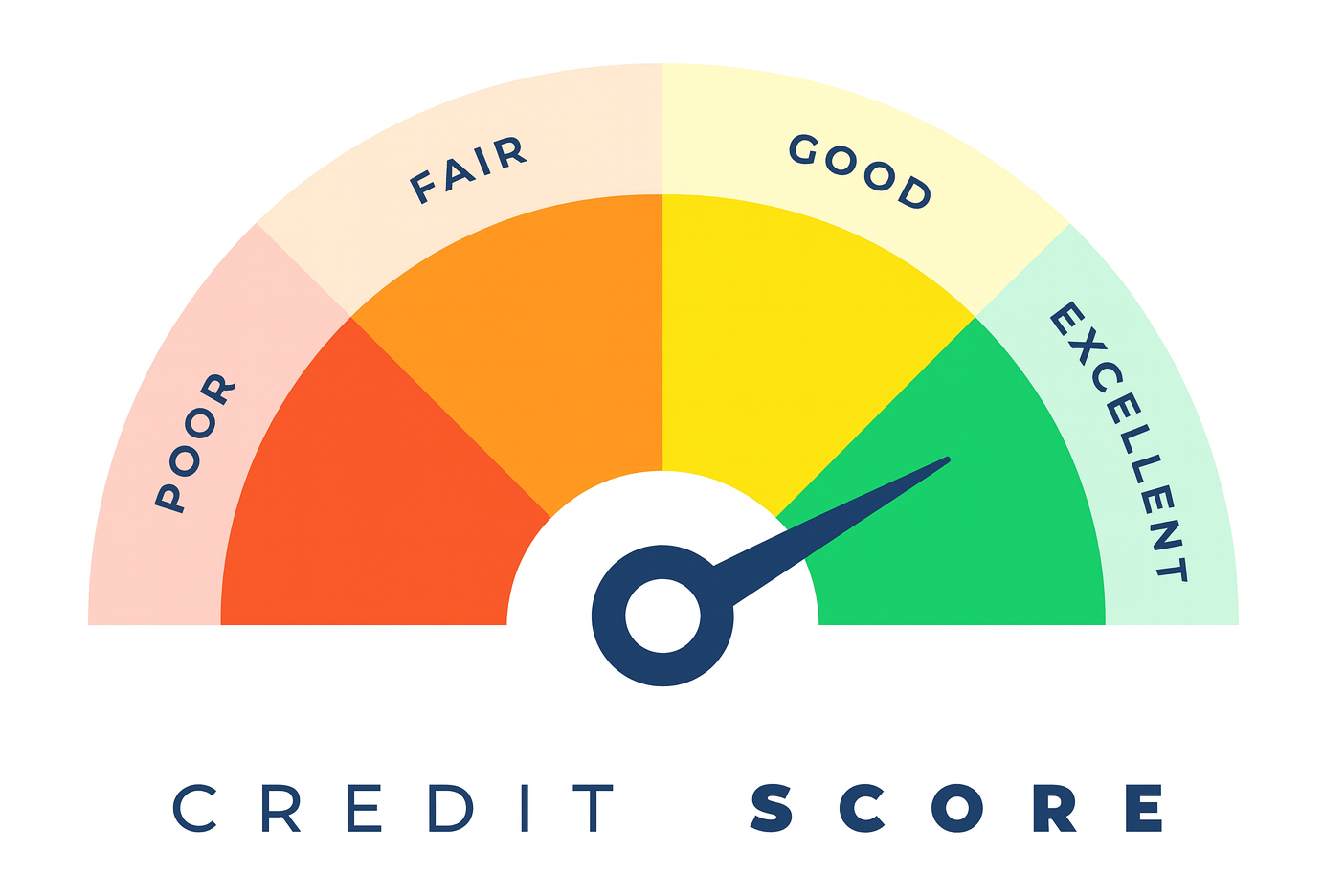
Managing multiple credit cards starts with aligning their benefits to how you actually spend each month. This approach reduces wasted rewards and lowers interest costs by encouraging intentional card use. In this article I outline practical steps to prioritize cards based on billing cycles, rewards categories, and fees. The result is a simpler routine that preserves flexibility and builds healthier credit habits.
Assess Your Monthly Spending Patterns
Start by tracking where your money goes over a typical month so you know which categories drive the most value. Identify recurring expenses, seasonal shifts, and occasional large purchases that could be timed to card promotions or higher bonus thresholds. Pay special attention to daily essentials like groceries, fuel, and utilities because steady categories often yield the most cumulative rewards. Use statements or a budgeting app to sort transactions by category and merchant to spot patterns and outliers. This data is the foundation for matching a card’s rewards to real spending.
Once you have clarity, rank categories by monthly spend, volatility, and reward potential. That ranking will indicate which card should be primary for everyday purchases and which can be reserved for occasional categories.
Match Cards to Benefits and Costs
Compare each card’s reward rates, welcome offers, and annual fees against your ranked categories to measure expected return. For cards with rotating or bonus categories, estimate whether you can meet higher spend thresholds without overspending and whether enrollment timing fits your cycles. Calculate whether an annual fee is justified by expected rewards and benefits, including credits or statement reimbursements. Don’t ignore interest rates: a high APR can erase reward value if balances carry month to month. Also account for perks like purchase protection, extended warranties, and travel credits that may offset fees.
Assign specific roles—primary card for groceries and bills, a rewards-focused card for travel or dining, and a low-cost backup for emergencies or balance transfers. Keep clear notes on activation steps and benefit windows so you can capture value reliably.
Manage Payments and Monitoring
Align payment dates to your cash flow to avoid short-term strain and reduce interest risk, shifting due dates when necessary to match paycheck timing. Automate at least the minimum payment and set reminders for full payments when possible to protect credit scores and avoid interest. Monitor statements for unfamiliar charges, duplicate billing, and enrollment deadlines for bonus categories or promotional rates to avoid missed value. Use alerts for large transactions and low available credit so small problems don’t become costly. Regular reviews, quarterly or semiannual, keep the plan responsive to income changes and shifting priorities.
Consider consolidating notifications in one app and disabling cards you rarely use while keeping accounts open to preserve history and reduce fraud surface. Small operational habits—timely payments, routine reviews, and simple role assignments—cut friction and keep rewards flowing.
Conclusion
Prioritizing card benefits around real spending produces predictable value without complexity. Start small with one category and one primary card, then expand as patterns emerge. Over time this disciplined approach saves money and simplifies decisions.