Credit cards can be useful financial tools when chosen and managed with purpose.
Aligning a card’s features with your monthly cash flow and goals reduces fees and stress.
This article outlines practical ways to match cards to habits, control costs, and protect credit.
Use these steps to make cards work for you rather than against you.
Match Cards to Spending Patterns
Start by reviewing three months of statements to identify where you spend most: groceries, transit, utilities, or travel. Choose a card that rewards your largest categories, or keep one flat-rate card if spending is varied. Consider rotating-category cards only if their bonus months align with your habits. Also compare annual fees to expected rewards to determine net benefit.
- Groceries and household spending
- Commuting, transit, and travel
- Everyday purchases and subscriptions
Small changes in which card you use for specific purchases can increase rewards without extra spending. Track category changes and adjust your wallet every few months.
Control Costs and Interest
Controlling costs starts with paying the statement balance in full each month to avoid interest charges. If you carry a balance, prioritize cards with lower APR or consider a balance-transfer offer with clear terms. Watch annual fees and calculate whether their perks justify the cost. Also be cautious with cash advances and late fees, which can quickly offset benefits.
Automate payments and set reminders to minimize missed payments. Keep an emergency buffer to prevent relying on credit for routine expenses.
Maximize Value Without Overspending
Maximizing value doesn’t mean chasing every point promotion; it means using rewards strategically. Combine card bonuses with retailer sales, loyalty programs, and targeted offers for higher effective value. Avoid redeeming rewards for low-value options; compare cash or statement credit equivalents. Plan larger purchases to coincide with promotional rates when possible.
- Set calendar reminders for bonus categories
- Pool rewards to reach higher-value redemptions
- Redeem for statement credits or travel when value is best
A simple redemption strategy helps you capture more value from the same spending. Regularly review reward rates and adjust redemptions.
Monitor and Protect Your Credit
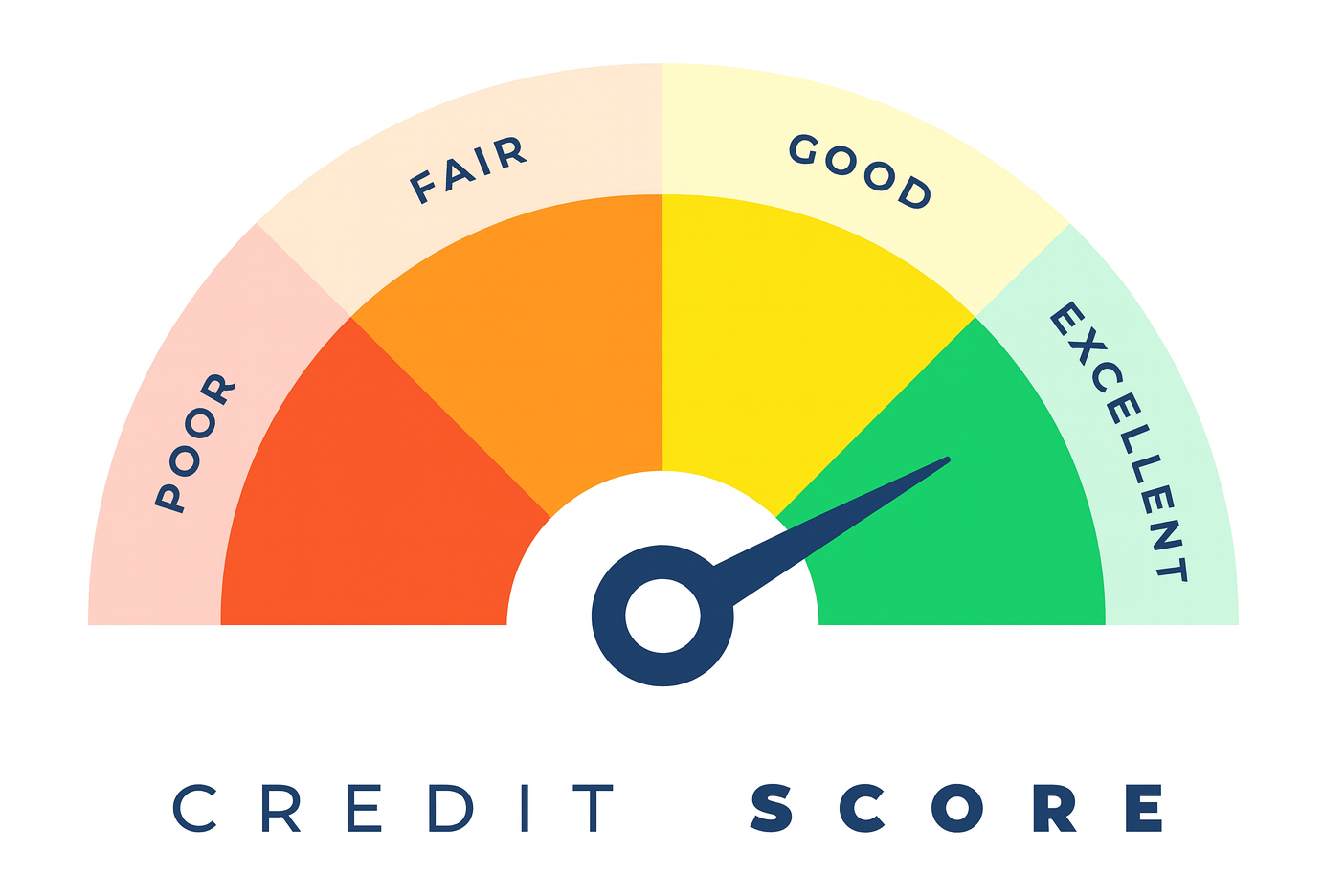
Protecting credit health is essential: monitor statements, enable transaction alerts, and review credit reports periodically. Limit new applications to avoid hard inquiry clustering and consider account age when adding cards. Keep utilization low by spreading balances or increasing limits responsibly. Report lost cards immediately and use virtual numbers for safer online purchases.
Security practices reduce fraud risk and protect your score. Being proactive makes credit cards a reliable part of your financial toolkit.
Conclusion
Choose cards that reflect your spending and personal goals.
Use automation and monitoring to control costs and guard credit.
When managed deliberately, credit cards support convenience, rewards, and long-term financial health.