How Insurance Can Protect Your Financial Future

Life is unpredictable, and financial stability can be easily disrupted by unexpected events—medical emergencies, job loss, or accidents. Insurance serves as a safety net that helps you stay financially secure when life takes an unplanned turn. By providing protection against major risks, insurance ensures peace of mind and long-term financial resilience. Understanding how different types of insurance work can empower you to make smart decisions for your future.

1. Safeguarding Against Financial Loss

Insurance acts as a financial buffer, covering unexpected expenses that could otherwise deplete your savings. Health, life, auto, and home insurance protect you from significant financial setbacks. For example, health insurance covers costly medical bills, while auto insurance shields you from repair or liability costs after accidents. This protection allows you to recover financially without derailing your long-term goals.

2. Protecting Your Family’s Future

Life insurance plays a vital role in ensuring your loved ones remain financially stable even if something happens to you. It can cover daily living expenses, outstanding debts, or your children’s education. By planning ahead, you not only secure your family’s financial well-being but also give them emotional reassurance during difficult times.

3. Supporting Wealth Building and Savings Goals

Some insurance plans—like whole life or unit-linked policies—offer both protection and investment components. These plans allow your money to grow over time while still providing coverage. This dual benefit supports long-term financial goals, helping you build wealth while maintaining essential protection against risks.

4. Reducing Stress and Financial Anxiety

Knowing that you’re covered in case of emergencies gives you peace of mind. When you’re confident that your health, home, and income are protected, you can focus more on personal and professional growth. Insurance minimizes financial stress, helping you plan your future with clarity and confidence.

5. Encouraging Financial Discipline

Paying regular insurance premiums fosters a disciplined approach to money management. It encourages consistent saving habits and ensures you prioritize financial security over impulse spending. Over time, this discipline builds a strong foundation for a stable and worry-free future.

Conclusion

Insurance isn’t just about protection—it’s a key part of long-term financial planning. It shields you from life’s uncertainties, safeguards your family, and promotes financial stability. By choosing the right insurance coverage, you invest not only in peace of mind but also in a secure and prosperous future.


How to Save on Health Insurance Premiums

Health insurance is essential for protecting yourself and your family from unexpected medical costs—but it doesn’t have to break the bank. Many people end up paying more than necessary simply because they’re unaware of available options and cost-saving strategies. By making informed choices, comparing plans, and using smart financial tactics, you can enjoy solid coverage without overspending on premiums.

1. Compare Plans Before You Buy

Don’t settle for the first policy you find. Compare different insurance providers, coverage options, and premium rates. Look beyond the monthly premium—evaluate co-pays, deductibles, and out-of-pocket limits. Online comparison tools and insurer websites can help you find the right balance between affordability and comprehensive coverage.

2. Choose the Right Coverage Level

Selecting the right coverage is key to saving money. If you’re young and healthy, you might not need a high-cost plan with extensive hospital benefits. Opting for a higher deductible or co-payment plan can lower your premium significantly. However, ensure your plan still covers essential healthcare services to avoid costly surprises later.

3. Take Advantage of Preventive Care

Most health insurance plans now include preventive services—like annual checkups, vaccinations, and screenings—at no extra cost. Utilizing these benefits helps catch health issues early, reducing future medical expenses and keeping your overall healthcare costs low.

4. Consider Family or Group Plans

Buying individual policies for each family member can be expensive. A family floater plan, which covers all members under a single policy, is often more cost-effective. Similarly, check if your employer or professional organization offers group health plans—they typically have lower premiums due to shared risk.

5. Maintain a Healthy Lifestyle

Many insurers reward policyholders who lead healthy lifestyles. Regular exercise, maintaining a healthy weight, and not smoking can help you qualify for lower premiums or loyalty discounts. A healthy routine not only reduces healthcare costs but also improves overall well-being.

6. Review Your Policy Annually

Your health needs and financial situation can change over time. Reviewing your plan every year ensures you’re not paying for unnecessary coverage or missing out on better deals. Switching providers or adjusting your policy can lead to significant savings.

Conclusion

Saving on health insurance premiums is all about being proactive and informed. By comparing options, using preventive care, and maintaining a healthy lifestyle, you can protect yourself financially without sacrificing quality coverage. A well-chosen plan not only saves money but also brings peace of mind—knowing you’re prepared for whatever life brings.

Building Credit with a Secured Credit Card

For individuals new to credit or trying to rebuild their financial reputation, a secured credit card can be a valuable starting point. Unlike traditional cards, secured cards require a refundable deposit that serves as collateral and determines your credit limit. They help establish a positive payment history, which is crucial for improving your credit score over time. Used wisely, a secured card can open the door to financial independence and better borrowing opportunities.

Benefits of Using a Secured Credit Card

The main advantage of a secured card is its accessibility. Even with poor or no credit history, approval is typically easier since the deposit reduces the lender’s risk. Regular, on-time payments are reported to credit bureaus, gradually improving your credit score. Additionally, secured cards encourage disciplined spending habits because your limit is tied to your deposit, making it easier to manage expenses and avoid excessive debt. Over time, responsible use can help you qualify for unsecured credit cards and better financial products.

How to Use It Effectively

To maximize the benefits, use your secured card strategically. Keep your credit utilization below 30% of your available limit and pay your balance in full each month to avoid interest charges. Set up payment reminders or automatic payments to ensure consistency. Avoid applying for multiple credit products at once, as this can lead to hard inquiries that temporarily lower your score. Regular monitoring of your credit report helps track progress and detect errors early.

Common Mistakes to Avoid

A secured card can harm your credit if misused. Late or missed payments are still reported to credit bureaus, negatively impacting your score. Closing the account too early may also erase your growing credit history. Lastly, carrying high balances defeats the purpose of improving credit utilization ratios. Treat your secured card as a steppingstone — not a long-term dependency — in your credit-building journey.

Conclusion

A secured credit card is an excellent tool for anyone looking to build or rebuild credit responsibly. With consistent use and timely payments, it can strengthen your credit profile and pave the way for financial stability. Remember, the key lies in discipline and long-term commitment to sound financial habits.

Balance Transfers Explained: Pros and Cons

Balance transfers can be a smart financial tool when used strategically, offering a way to consolidate debt and save on interest. Many credit card companies promote balance transfer offers with low or even 0% introductory rates, attracting those struggling with high-interest balances. However, while these offers can provide relief, they also come with potential drawbacks. Understanding how balance transfers work—and when to use them—can help you make informed financial decisions.

The Advantages of Balance Transfers

The most obvious advantage is interest savings. By reducing or eliminating interest temporarily, you can direct more of your payments toward reducing the principal. Another benefit is debt consolidation, which simplifies financial management by combining multiple balances into a single payment. This can also improve your credit utilization ratio, potentially boost your credit score if manage responsibly. For disciplined borrowers, a balance transfer provides a valuable window to clear debts faster without accumulating extra interest.

The Hidden Drawbacks

Despite the appeal, balance transfers are not free of risks. Once the promotional period ends, the interest rate often jumps sharply—sometimes even higher than your original rate. Additionally, any missed payments can cancel the promotional offer, reinstating full interest charges. The balance transfer fee can also reduce your savings if the transferred amount is small or if repayment takes longer than expected. Another pitfall is the temptation to continue spending on the old card after transferring the balance, leading to more debt instead of less.

When a Balance Transfer Makes Sense

A balance transfer works best when you have a clear repayment plan and strong financial discipline. If you can pay off most or all of the balance before the introductory rate expires, the savings can be substantial. It’s also effective for consolidating multiple credit card debts into one manageable account. However, if you tend to miss payments or carry balances beyond the promotional period, the costs can outweigh the benefits.

Conclusion

Balance transfers can be a powerful tool for managing credit card debt—when used wisely. They offer a temporary escape from high interest but require careful planning and discipline. Evaluate the fees, terms, and repayment timeline before making a move to ensure it truly benefits your financial goals.

Credit Utilization: The 30% Rule That Matters

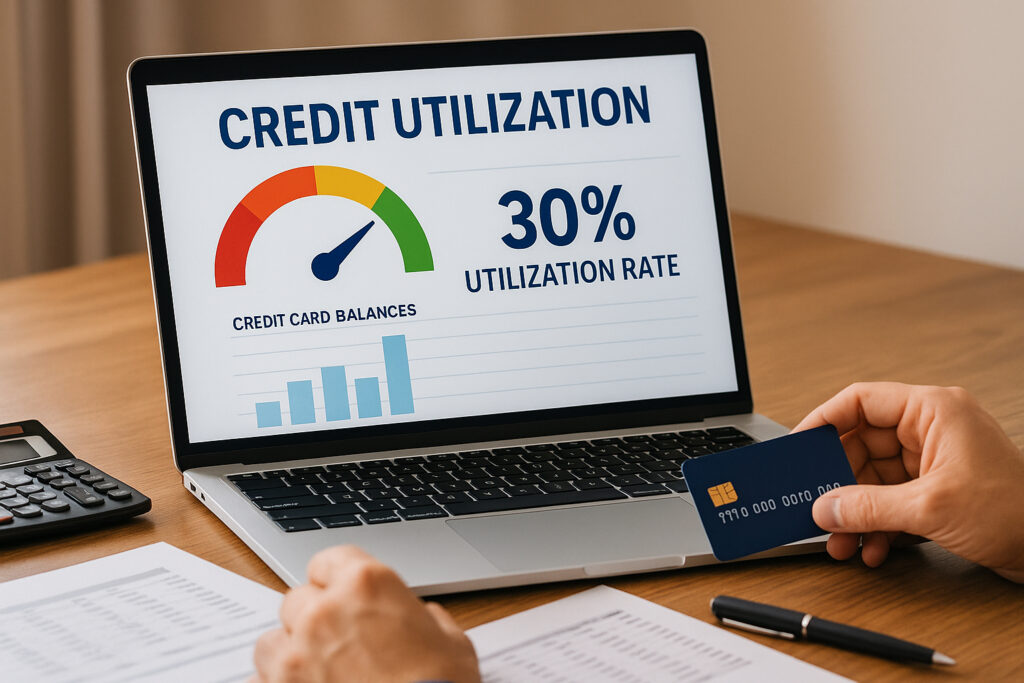
Your credit score reflects how well you manage borrowed money—and one of the most important factors is your credit utilization ratio. This ratio measures how much of your available credit you’re using. Financial experts recommend staying below 30% to maintain a healthy score. Understanding this rule can help you control debt and improve your overall financial standing.

What Is Credit Utilization?

Credit utilization is the percentage of your available credit that you’re currently using. For example, if you have a total credit limit of ₹1,00,000 and your balance is ₹30,000, your utilization rate is 30%. It applies to both individual cards and your total credit usage across all accounts.

Why the 30% Rule Matters

Credit scoring models, such as FICO and VantageScore, weigh utilization heavily—usually around 30% of your total score. High utilization signals risk to lenders, even if you make on-time payments. A low utilization rate, on the other hand, shows responsible credit behavior and enhances your chances of securing loans at favorable interest rates.

How to Maintain a Low Utilization Rate

  1. Monitor Balances Regularly
    Check your credit card statements frequently to ensure balances don’t creep up unexpectedly. Online apps can help track spending and utilization in real time.

  2. Pay More Than the Minimum
    Reducing your balance before the billing cycle closes can lower your reported utilization, improving your score.

  3. Request a Higher Credit Limit
    If used wisely, a higher limit can instantly reduce your utilization ratio without extra spending.

  4. Spread Purchases Across Cards
    Instead of charging everything to one card, distribute expenses to maintain lower individual utilization rates.

  5. Avoid Closing Old Accounts
    Old credit lines increase total available credit, helping keep your utilization percentage lower.

The Danger of High Utilization

Consistently maxing out credit cards—even if you pay on time—can hurt your score and signal over-reliance on credit. It may also affect loan approvals and raise interest rates on future credit offers.

Smart Credit Habits for the Long Term

  • Set payment reminders or automate payments.

  • Review credit reports regularly for accuracy.

  • Use credit as a tool, not as an extension of income.

Conclusion

The 30% rule isn’t just a guideline—it’s a key to maintaining financial health. By keeping your credit utilization low, you project stability and responsibility to lenders. Consistent, mindful credit management can boost your score and open doors to better financial opportunities.

Why Old Credit Accounts Are Valuable

When it comes to building and maintaining a strong credit score, time is one of your biggest allies. Many people assume that closing old credit accounts will simplify their finances—but doing so can actually hurt their credit profile. The age of your credit accounts plays a significant role in determining your overall score. Understanding why older accounts matter can help you make smarter financial decisions.

The Role of Credit Age in Your Score

Credit scoring models, like FICO and VantageScore, consider the length of your credit history as an important factor. It typically makes up about 15% of your total score. This includes the age of your oldest account, your newest account, and the average age of all your accounts. Older accounts demonstrate consistency and responsible financial behavior, which lenders view positively.

Why Keeping Old Accounts Open Helps

  1. Longer Credit History – A lengthy credit history provides lenders with more data to assess your reliability. Even if you no longer use an old card frequently, keeping it open can strengthen your score.

  2. Improved Credit Utilization – When you close an old credit card, your available credit decreases, which may increase your overall credit utilization ratio—a key component of your score.

  3. Demonstrated Stability – Lenders favor borrowers who have managed credit responsibly over time. A long, clean credit history signals trustworthiness and financial maturity.

When It’s Okay to Close an Old Account

While keeping old accounts is generally wise, there are exceptions. If the account carries high fees, poor terms, or encourages overspending, closing it might make sense. Before doing so, weigh the pros and cons and consider the potential impact on your score.

How to Manage Old Credit Accounts Effectively

  • Use them occasionally: Make small purchases every few months to keep accounts active.

  • Pay on time: Continue demonstrating positive payment behavior.

  • Monitor for fraud: Old accounts can be targets for inactivity-related fraud; check statements regularly.

  • Avoid unnecessary closures: Keep long-standing accounts open, especially those with no annual fee.

The Bigger Picture

Your credit history tells a story of your financial reliability. The longer that story—and the more consistent your payments—the stronger your profile looks to lenders. Closing old accounts may erase valuable chapters of that story.

Conclusion

Old credit accounts are more than just numbers—they represent trust and financial experience. By keeping them open, you maintain a longer credit history, lower utilization, and a higher score. In short, time truly works in your favor when it comes to credit health.

How Many Credit Cards Should You Really Have?

There is no one-size-fits-all answer to how many credit cards a person should have, but most credit experts recommend holding at least one to build or maintain a good credit history. Having two to three credit cards is generally considered ideal for most people, as this balance allows you to enjoy diverse rewards, a better credit utilization ratio, and backup options while keeping account management practical.

Why Have Multiple Credit Cards?

  • Improve Credit Score: More cards can boost your available credit, lowering your credit utilization ratio—an important factor in your credit score.

  • Maximize Rewards: Different cards offer unique rewards, cashback, or travel benefits; using multiple cards strategically helps maximize value.

  • Backup and Convenience: If a card is lost or temporarily blocked, others serve as backups for emergencies.

Potential Downsides

  • Complexity: Managing more cards increases the risk of missed payments or annual fees.

  • Credit Impact: Each application triggers a hard inquiry and holding too many cards, if not managed well, might hurt your credit.

Expert Recommendations

  • Minimum: One credit card is sufficient for building credit.

  • Ideal Range: Two to three credit cards offer the right mix of benefits and simplicity for most individuals.

  • Customize by Lifestyle: Ultimately, the right number depends on personal spending habits, financial goals, and the ability to manage payments responsibly.

Common Credit Card Fees and How to Avoid Them

Credit cards offer convenience and benefits, but hidden fees can quickly make them expensive if you’re not careful. From annual charges to late payment penalties, understanding the most common credit card fees—and how to avoid them—can save you hundreds of dollars each year.

Some of the most common fees include:

  • Annual Fees: Many premium cards charge yearly fees for access to rewards and perks. If the benefits outweigh the cost, the fee may be worthwhile. Otherwise, opt for a no-annual-fee card.
  • Late Payment Fees: Missing payment deadlines can result in hefty charges, often $25–$40 per occurrence and may also affect your credit score. Setting up autopay or reminders helps you avoid them.
  • Balance Transfer Fees: When transferring balances to a new card with a lower interest rate, issuers often charge 3–5% of the amount transferred. To minimize costs, only transfer balances when savings on interest exceed the fee.
  • Foreign Transaction Fees: Many cards charge around 3% for purchases made abroad or online in a foreign currency. Travelers can avoid these by choosing cards with no foreign transaction fees.
  • Cash Advance Fees: Withdrawing cash using a credit card usually comes with fees plus higher interest rates from day one. It’s best to avoid using your card for cash withdrawals unless necessary.

Conclusion
Credit card fees can eat into your finances if left unchecked. The good news is most of them are avoidable by choosing the right card, paying bills on time, and being mindful of usage. By understanding how fees work, you can enjoy the benefits of credit cards without unnecessary costs.


Rewards vs. Cashback: Which Card Is Better?

Credit cards come in many varieties, but two of the most popular are rewards cards and cashback cards. Both help you get more value from your everyday spending, but they work differently. Understanding their strengths and limitations can help you decide which option better fits your lifestyle and financial habits.

Rewards credit cards allow you to earn points or miles on purchases, which can later be redeemed for travel, merchandise, or gift cards. These cards are great for frequent travelers who want perks like free flights, hotel stays, or upgrades. Many rewards cards also come with added benefits such as airport lounge access, travel insurance, and concierge services. The downside, however, is that they may have higher annual fees and complex redemption rules.

Cashback credit cards offer simplicity to earn back a percentage of what you spend, usually ranging from 1% to 5%, depending on the card and spending category. For example, some cards give higher cashback on groceries, dining, or gas. Cashback is straightforward and can directly reduce your bill or be deposited into your account. While these cards may not have glamorous perks, they provide practical, guaranteed value on everyday expenses.

The decision between the two depends on your lifestyle. If you travel often, enjoy luxury perks, and don’t mind tracking rewards systems, a rewards card may give you the most value. If you prefer simplicity, predictability, and direct savings, a cashback card is likely the better fit.

Conclusion
There is no universal “best” card—it comes down to your spending habits. Frequent travelers benefit from rewards cards, while those focused on everyday savings may find cashback more practical. The key is to choose a card that aligns with your goals and maximizes the return on your spending.

The Importance of Reviewing Your Insurance Annually

Buying insurance isn’t a one-time activity. Just as your life changes—new job, marriage, children, or buying a home—your insurance needs evolve too. Conducting an annual insurance review ensures that your coverage remains relevant and adequate.

An annual review helps you assess whether your policy still matches your financial responsibilities. For example, the coverage you bought as a single professional may not be sufficient once you have dependents. By revisiting your policies each year, you can adjust the sum assured, add riders, or switch to a more suitable plan.

Another reason to review annually is policy performance. In the case of investment-linked or cash-value insurance plans, checking growth and returns ensures that they remain aligned with your financial goals. If returns are lagging, it may be time to reallocate funds or restructure your portfolio.

Regular reviews also help you avoid policy lapses. Many people unintentionally miss premium payments or forget to update nominee details. An annual check-up minimizes such risks, ensuring that the benefits reach your family when needed most.

Conclusion
Insurance is not a “set it and forget it” product. Annual reviews safeguard you from being underinsured or carrying outdated policies. By making it a habit, you ensure that your coverage grows alongside your responsibilities and secures your family’s financial future.