Blog

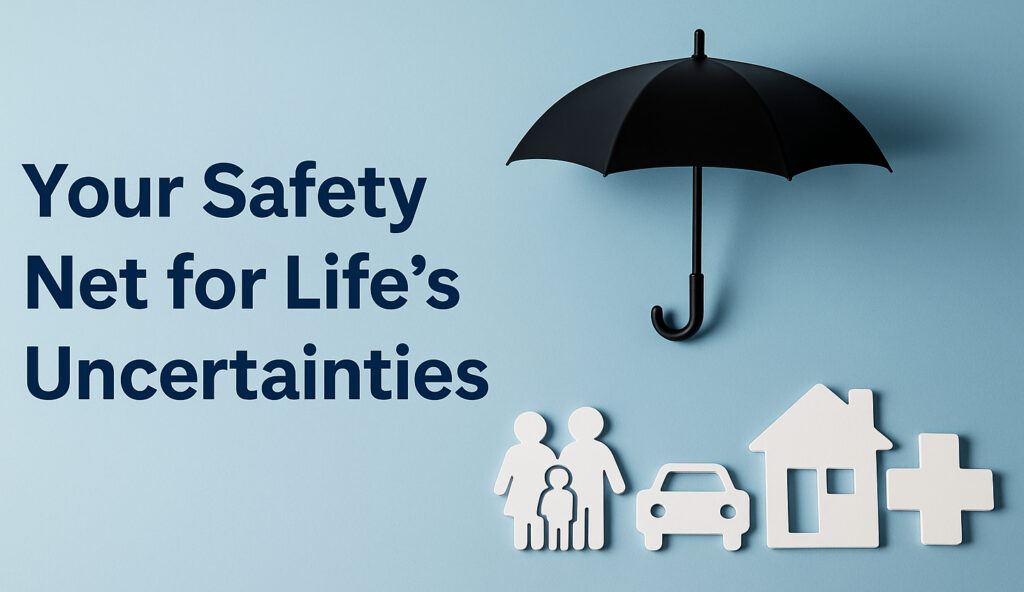
Your Safety Net for Life’s Uncertainties

Life is unpredictable, and while we can’t control unexpected events, we can certainly prepare for them. This is where insurance plays a vital role. Whether it’s health, life, or property, insurance ensures that you and your loved ones remain financially secure during challenging times.

1. What is Insurance?

Insurance is a contract between you and an insurance provider. You pay a premium, and in return, the insurer promises to cover certain risks such as illness, accidents, or damage. It acts as a financial cushion, giving peace of mind when life throws curveballs.

2. Types of Insurance You Should Know

  • Health Insurance: Covers hospitalization, surgeries, and treatments, protecting you from high medical bills.

  • Life Insurance: Secures your family’s future by providing financial support in your absence.

  • Auto Insurance: Protects against accidents, theft, or damage to your vehicle.

  • Home/Property Insurance: Safeguards your home and belongings against fire, theft, or natural disasters.

  • Business Insurance: Helps companies recover from operational losses, lawsuits, or damages.

3. Why Insurance Matters

  • Financial Protection: Prevents you from dipping into savings during emergencies.

  • Peace of Mind: Allows you to focus on recovery instead of worrying about money.

  • Legal Requirement: Certain types, like car insurance, are mandatory.

  • Long-Term Planning: Life and retirement insurance plans act as both protection and investment.

4. Tips for Choosing the Right Policy

  • Assess your needs and risks.

  • Compare premiums and benefits across providers.

  • Check the insurer’s claim settlement ratio.

  • Read terms carefully to avoid hidden exclusions.

Final Thought: Insurance isn’t just a financial product—it’s a promise of security. By choosing the right coverage, you protect not only your assets but also your family’s peace of mind.


Common Mistakes That Hurt Your Credit Score

Your credit score is one of the most important aspects of your financial health, but many people unintentionally damage it without realizing. Small mistakes can have a long-term impact, so it’s important to be aware of what to avoid.

One common mistake is missing payments. Even a single late payment can lower your score significantly. Another issue is using too much of your available credit, which signals to lenders that you might be financially stretched. Constantly applying for new credit cards can also hurt, as multiple inquiries make you look risky.

To keep your score healthy, focus on consistent habits: pay bills on time, use less than 30% of your available credit, and avoid unnecessary debt. Building good credit takes time, but avoiding these mistakes will help you move in the right direction.

Understanding the Basics of Auto Insurance

Owning a car brings freedom and convenience, but it also comes with responsibilities. One of the most important responsibilities is ensuring that your vehicle is properly insured. Auto insurance not only protects your car but also safeguards you financially in case of accidents, theft, or damage.

1. Protection Against Accidents

Accidents can happen at any time. Auto insurance covers the repair costs of your car and, in many cases, medical expenses for the driver and passengers involved.

2. Coverage for Third-Party Liabilities

In many countries, third-party liability coverage is mandatory. This ensures that if you cause damage to another person’s vehicle or property, or injure someone, the costs are covered by your insurance.

3. Theft and Natural Disasters

Comprehensive auto insurance also covers losses due to theft, fire, or natural disasters like floods and earthquakes, providing complete peace of mind.

4. Legal Requirement

Driving without insurance is illegal in most places. Having valid auto insurance ensures you are compliant with the law and avoid penalties.

Conclusion

Auto insurance is not just about fulfilling a legal requirement; it’s about protecting yourself, your car, and others on the road. Choosing the right policy ensures financial safety and worry-free driving.

Travel Insurance – Your Safety Net While Exploring the World

Traveling can be one of the most enriching experiences, but it also comes with unexpected risks such as flight cancellations, lost luggage, or medical emergencies abroad. That’s where travel insurance becomes your best companion.

1. Medical Emergencies Abroad

Healthcare costs in foreign countries can be extremely high. Travel insurance ensures you get the required medical attention without worrying about the bills.

2. Coverage for Trip Cancellations and Delays

Sometimes, trips get canceled or delayed due to unforeseen reasons such as bad weather or emergencies. Travel insurance helps you recover prepaid expenses, saving you from major financial loss.

3. Protection Against Lost Belongings

Lost luggage, passports, or personal items can disrupt your trip. Travel insurance provides coverage to replace or reimburse lost essentials, ensuring your journey continues smoothly.

4. Peace of Mind While Traveling

When you have travel insurance, you can focus on enjoying your trip rather than worrying about “what if” scenarios. It’s like carrying a safety net wherever you go.

Conclusion

Travel insurance is not an extra expense but a smart investment in worry-free adventures. Whether it’s a short vacation or a long business trip, it ensures you’re protected from the unexpected.

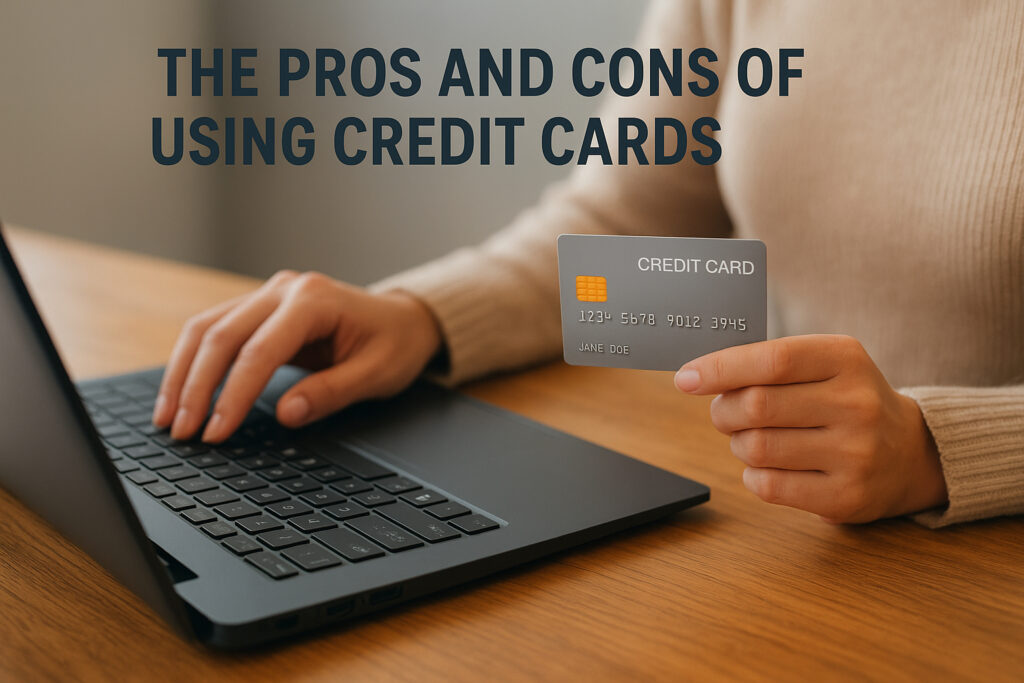
The Pros and Cons of Using Credit Cards

Credit cards have become an essential part of modern financial life. They offer convenience, security, and the ability to build credit, but they also come with risks if not used wisely. Let’s explore both the advantages and disadvantages.

Pros of Using Credit Cards

  1. Convenience – Credit cards allow you to make purchases without carrying cash. They’re widely accepted both online and in stores.

  2. Build Credit History – Responsible usage helps establish a strong credit score, which is important for loans, mortgages, or even renting an apartment.

  3. Rewards and Cashback – Many credit cards offer cashback, reward points, or travel miles that can save you money.

  4. Purchase Protection – Most credit cards provide fraud protection, extended warranties, and chargeback rights for faulty goods.

  5. Emergency Funds – Credit cards can be a financial backup during unexpected expenses.

Cons of Using Credit Cards

  1. High Interest Rates – Carrying a balance can lead to hefty interest charges.

  2. Debt Trap – Overspending can result in accumulating debt that becomes hard to manage.

  3. Impact on Credit Score – Late payments or high credit utilization can lower your credit rating.

  4. Annual Fees – Some cards charge high fees that may outweigh the benefits.

  5. Hidden Costs – Foreign transaction fees, late fees, and penalty APRs can add up quickly.

Final Thoughts
Credit cards are powerful financial tools when managed responsibly. Paying balances in full, monitoring spending, and avoiding unnecessary debt are key to reaping the benefits while minimizing the drawbacks.

Cyber Insurance – Protecting Against Digital Threats

Cyberattacks are on the rise, targeting both individuals and companies. Cyber insurance helps manage financial risks associated with breaches.

What It Covers

  • Data theft and loss.
  • Ransomware payments.
  • Legal and PR expenses after cyber incidents.

Final Thought

In the digital world, cyber insurance is no longer optional—it’s essential for digital safety.

Smart Ways to Use Credit Without Falling Into Debt

Credit cards and loans can be powerful tools when used wisely. But if mismanaged, they can quickly spiral into overwhelming debt. The key is learning to use credit smartly for convenience and growth without harming your financial health.

Smart Credit Habits

  1. Pay in Full, On Time – Always clear your credit card bill before the due date to avoid interest charges.
  2. Track Spending – Use apps or statements to monitor where your money is going.
  3. Avoid Minimum Payments – Paying only the minimum amount due keeps you in debt longer.
  4. Leverage Rewards – Take advantage of cashback, reward points, and discounts, but only on planned purchases.
  5. Borrow Only What You Need – Don’t overextend with unnecessary loans or extra credit cards.

Benefits of Smart Credit Use

  • Builds a strong credit history.
  • Provides financial flexibility during emergencies.
  • Offers perks like travel rewards, discounts, and insurance coverage.

Conclusion

Credit is not the enemy—it’s a tool. When managed responsibly, it helps you build wealth, enjoy rewards, and handle financial challenges with ease. The secret lies in discipline and mindful borrowing.

Property Insurance – Safeguarding Your Biggest Asset

Your home or office is one of your most valuable possessions. Property insurance protects it from risks like fire, theft, and natural calamities.

Why Property Insurance is Essential

  • Covers repair and rebuilding costs.
  • Protects against theft and vandalism.
  • Offers add-ons for smart home systems and equipment.

For Businesses

Commercial property insurance safeguards offices, warehouses, and machinery—keeping operations secure.

Final Thought

Property insurance ensures your biggest investments remain safe, no matter what.

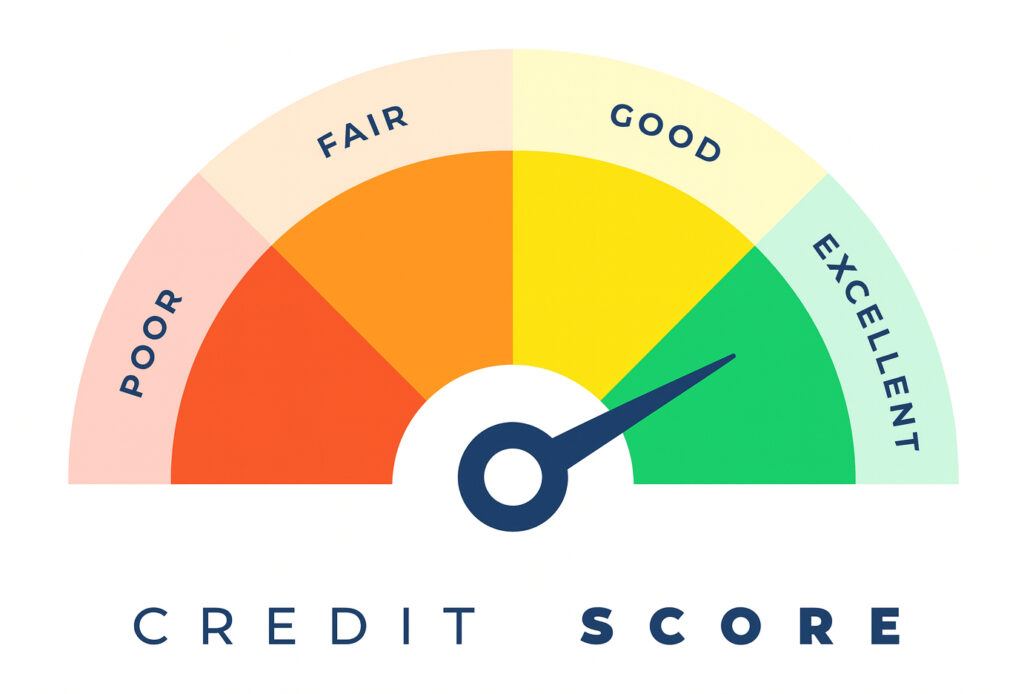
Understanding Credit Scores – Your Financial Report Card

Introduction

Your credit score is more than just a number—it’s your financial identity. It tells lenders how reliable you are when it comes to borrowing and repaying money. Whether you want a home loan, car loan, or even a new credit card, your credit score plays a vital role.

What is a Credit Score?

A credit score is a three-digit number (usually between 300–900) calculated based on your borrowing and repayment history. The higher the score, the better your chances of getting approved for loans with favorable terms.

Factors That Affect Your Credit Score

  1. Payment History – On-time bill and EMI payments improve your score.

  2. Credit Utilization – Using less than 30% of your available credit keeps your score healthy.

  3. Credit Mix – A balance of credit cards and loans shows responsible borrowing.

  4. Length of Credit History – The longer your credit history, the better.

  5. Hard Inquiries – Frequent loan or card applications can reduce your score.

Why It Matters

  • Easier loan approvals.

  • Lower interest rates.

  • Better credit card offers.

Conclusion

Think of your credit score as a financial passport. Maintaining a strong score not only improves access to credit but also saves you money in the long run.

Motor Insurance – Protecting Your Vehicle and Beyond

Vehicles offer convenience, but they also bring risks such as accidents, theft, or natural disasters. Motor insurance provides protection against these uncertainties.

Types of Motor Insurance

  1. Third-Party Liability – Mandatory in most countries, covers damages caused to others.
  2. Comprehensive Cover – Protects both your vehicle and third-party damages.
  3. Add-Ons – Zero depreciation, roadside assistance, and engine protection enhance policies.

Why Motor Insurance Matters

  • Saves you from heavy repair costs.
  • Provides legal compliance.
  • Offers peace of mind during travel.

Final Thought

Motor insurance is not just mandatory, but smart protection for your vehicle and your finances.

Skip to content