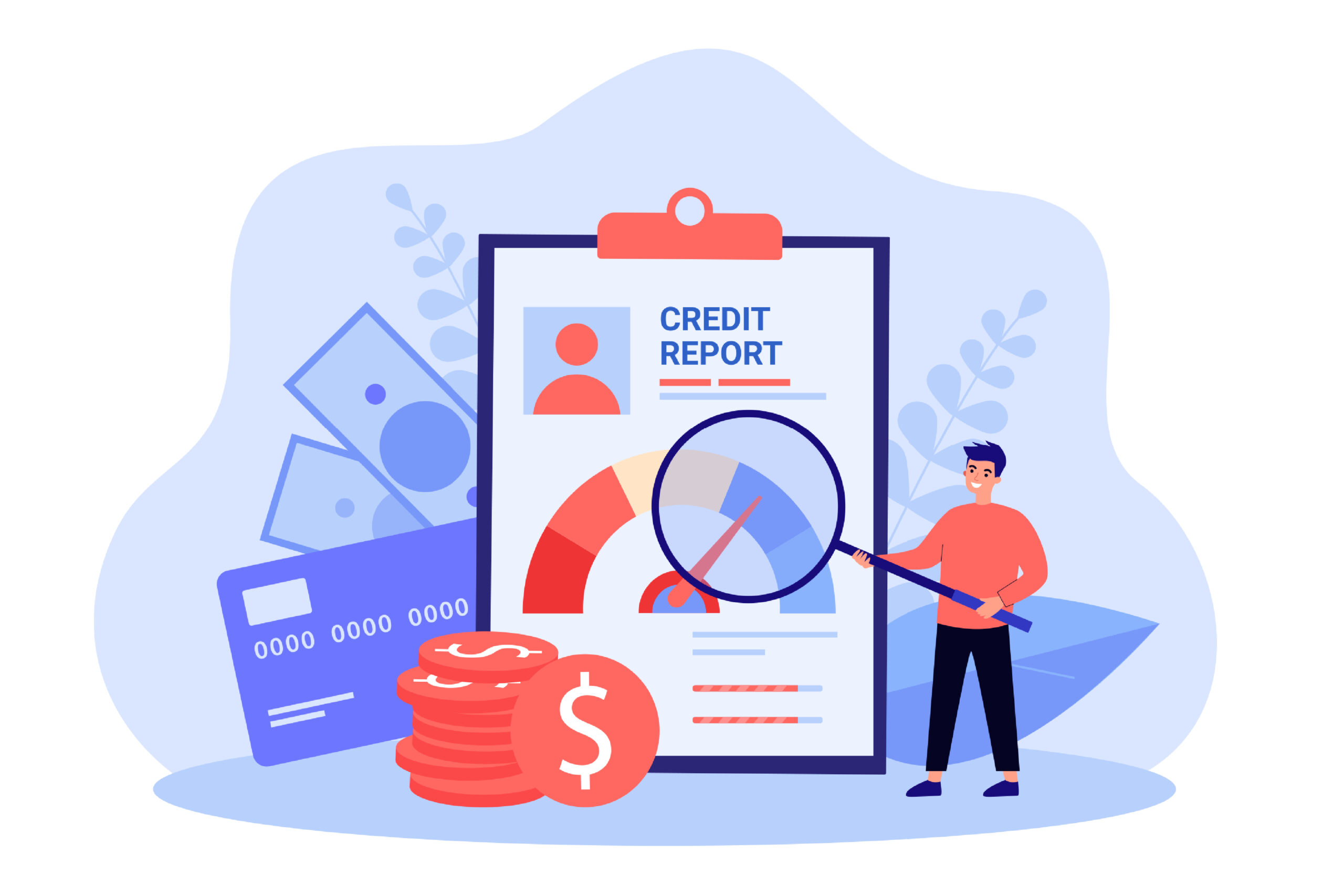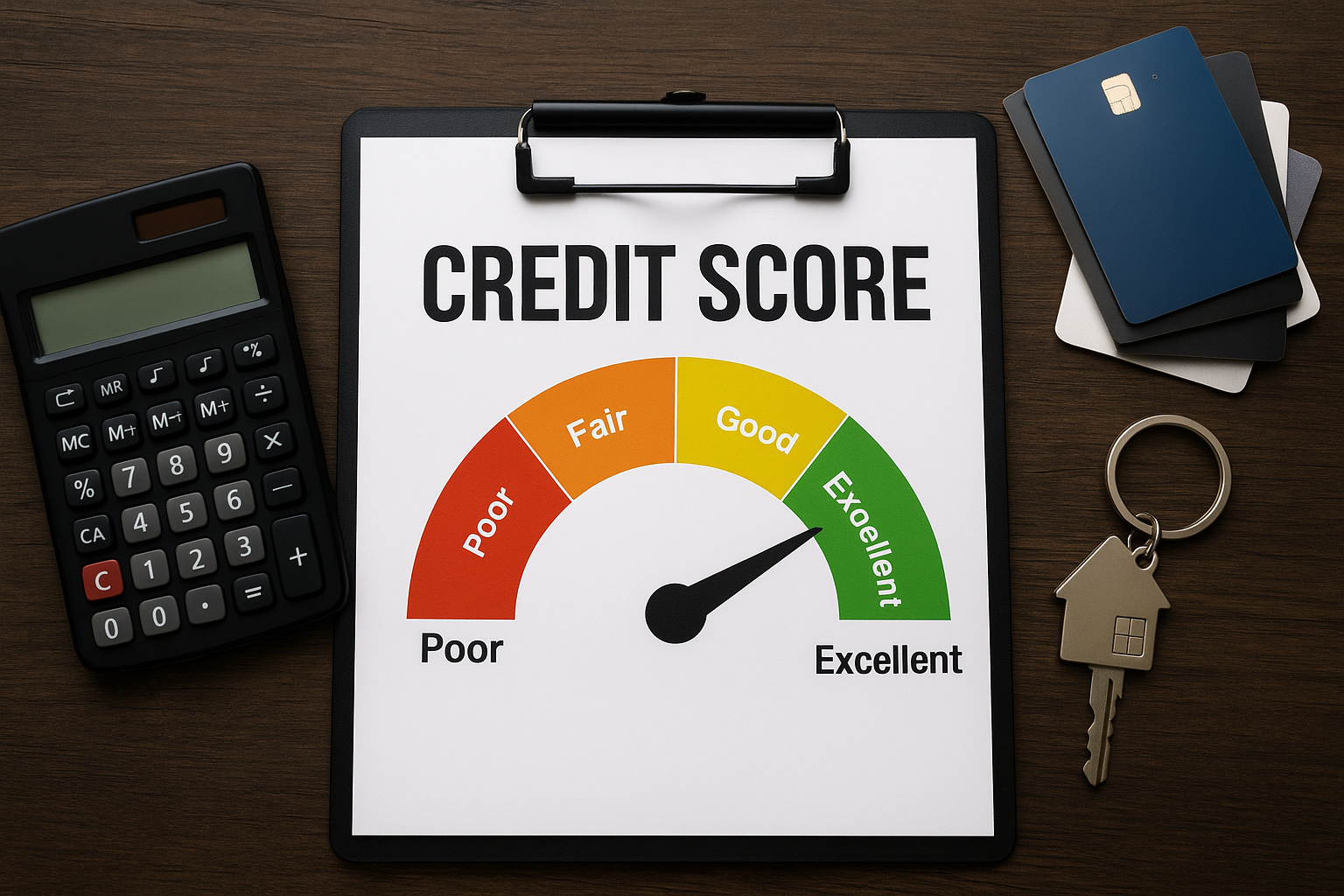
Improving your credit score often feels like a slow process, but consistent daily choices add up. Small, deliberate actions can reduce risk signals and demonstrate reliability to lenders. This article outlines practical habits and tactics that produce measurable improvements over months and years. Whether you’re rebuilding credit or optimizing an already healthy profile, a strategic approach makes progress predictable.
Everyday Actions That Affect Your Score
On-time payments are the single most influential habit; even occasional late payments can set progress back significantly. Credit utilization matters next—keeping balances low relative to limits shows responsible management. Regularly review statements to catch errors that could unfairly harm your score. Also minimize hard inquiries and avoid taking on unnecessary new debt.
Consistent attention to these basics reduces volatility and prevents common setbacks. Small improvements to daily routines build a stable credit profile that lenders can trust.
Quick Wins: Tactical Steps to Improve Credit
There are practical steps you can take in weeks to months to nudge a score upward. Prioritizing payments, reducing revolving balances, and asking for a credit limit increase (without a hard pull) can lower utilization. Adding a small secured card or a credit-builder loan, used responsibly, can also strengthen your mix. Each tactical move should fit your broader repayment plan.
- Set up autopay for at least the minimum due to avoid missed payments.
- Make multiple small payments each month to keep utilization low.
- Check if creditors will increase limits without a hard inquiry.
Targeted actions deliver visible results while you maintain a long-term discipline. Treat these as short-term boosts that complement steady credit-building habits.
Monitoring and Long-Term Habits
Regular monitoring helps you spot inaccuracies and trends that deserve attention before they become problems. Request free credit reports periodically and review entries for identity issues, account status, and balances. Keep older accounts open where appropriate, since account age contributes positively. Over time, a longer, cleaner history reduces perceived risk and supports higher scores.
Combine monitoring with proactive dispute of genuine errors and a plan for managing credit events. Long-term consistency compounds the effects of short-term tactics into meaningful score gains.
Conclusion
Small, repeatable habits around payments, balances, and monitoring create steady credit improvement. Use quick tactical moves to accelerate progress, but prioritize long-term consistency for lasting results. With disciplined habits, measurable score gains become achievable and resilient.