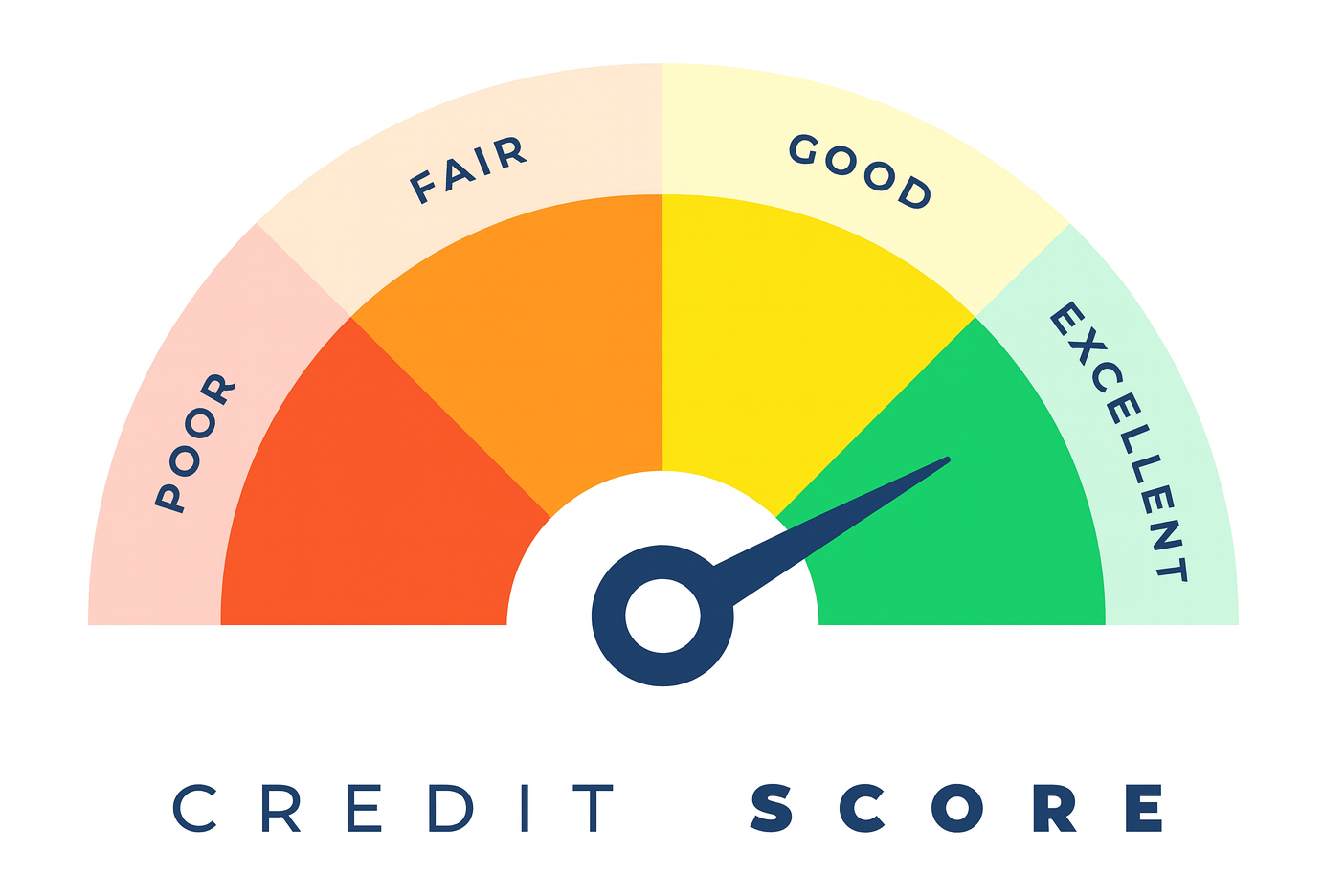
Keeping a small, well-chosen set of credit cards can simplify finances and help you extract rewards without added complexity. Rather than chasing every promotion, a minimal setup focuses on coverage for regular spending categories and emergency backup. This approach reduces tracking, lowers the chance of missed payments, and supports healthier credit management. The following guide outlines practical steps to design and maintain a lean credit card setup that aligns with personal priorities.
Assess Your Spending Patterns
Start by reviewing recent statements to identify where most of your spending falls: groceries, fuel, dining, travel, or subscriptions. Understanding category concentration helps you decide which card benefits matter most and whether you need a specialty card. Also check recurring charges and seasonal variations to avoid gaps in coverage. A clear picture of spending informs both selection and how you rotate card use.
Document these patterns in a simple spreadsheet or budgeting app so decisions are evidence-based. This reduces impulse sign-ups and keeps the setup intentional.
Choose a Minimal Mix of Cards
A minimal setup typically includes one rewards card for everyday purchases, a second card for high-value categories, and a no-annual-fee backup for emergencies. Prioritize cards that offer broad benefits and avoid overlapping premium features you won’t use. Consider interest rates, grace periods, and introductory offers, but don’t let temporary promotions dictate long-term choices. Simplicity and usefulness should be the guiding criteria.
- Everyday rewards card for groceries and bills.
- Category-specific card for travel or dining bonuses.
- No-fee backup for emergencies and balance flexibility.
Aim to keep the number of active cards low while preserving available credit for scores. Closing unnecessary accounts can hurt history, so prefer dormancy over closure if possible.
Set Simple Usage Rules
Create a short, personal rule set: which card for which category, a monthly payment checklist, and a limit on new applications per year. Automate payments to avoid late fees and set calendar reminders for rewards activations or annual fee reviews. Keep a visible note (digital or physical) listing the primary use for each card to reduce accidental switchover. Rules reduce cognitive load and make consistent payoff behavior more likely.
Treat the setup as a living system—small discipline yields big benefits. Regular habits keep the minimal setup working efficiently.
Monitor and Adjust Regularly
Review card performance quarterly to confirm that rewards and perks still match your spending. Watch for fee increases, changing category bonuses, or declining value in benefits. If a card no longer justifies its cost or complexity, consider product changes, downgrades, or strategic closure. Maintain a simple scorecard to compare total value against effort.
Adjustments should be deliberate and infrequent, not reactionary to every promotion. This preserves stability while allowing upgrades when clear value appears.
Conclusion
Keeping a minimal credit card setup helps you focus on value, reduce administrative friction, and protect credit health. By assessing spending, choosing complementary cards, enforcing simple rules, and reviewing periodically, you can sustain a streamlined system. Small, consistent choices deliver clearer finances and better long-term outcomes.