Small changes in how you schedule payments and organize accounts can have a meaningful impact on your credit score. Reviewing reports regularly and aligning due dates with pay cycles reduces the risk of late payments and high utilization. This article focuses on practical timing and organization habits that drive steady improvement. Implementing these habits consistently creates measurable momentum over months.
Check Your Reports and Prioritize Corrections
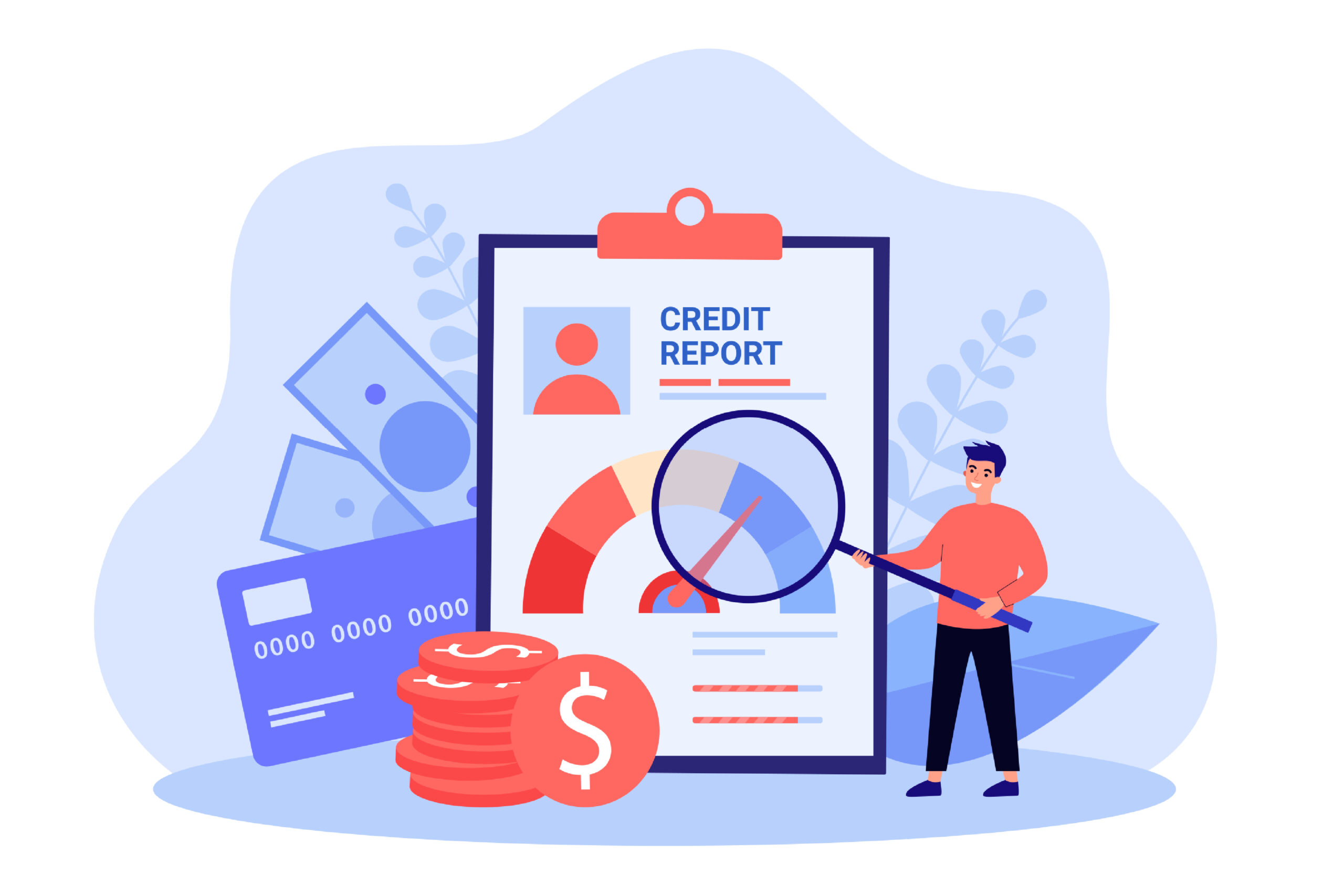
Start by obtaining your credit reports and reviewing them for inaccuracies, outdated items, or unfamiliar accounts. Look for errors in balances, payment histories, and personal details, and file disputes promptly when you find mistakes. Correcting inaccuracies can remove unjust negative items and sometimes boost your score quickly. Keep a log of disputes and responses so you can follow up without losing track.
Prioritizing corrections also helps you target the most impactful problems first, such as late payments and high balances. Regular maintenance prevents small issues from becoming long-term blemishes on your file. Treat report review as a monthly habit to stay ahead.
Adjust Payment Timing and Reduce Balances
Payment timing affects both on-time status and reported utilization, so align due dates with your cash flow when possible. Paying before the statement closing date lowers the balance that is reported to creditors, which can improve utilization ratios. Even modest reductions in reported balances often translate into visible score changes. Automating payments or setting reminders reduces the chance of missed due dates.
- Set payments a few days before the statement closing date to lower reported balances.
- Make multiple smaller payments throughout the month to keep utilization low.
These adjustments are simple to implement and compound over time, making credit healthier without major lifestyle changes. They also reduce stress by keeping accounts in better standing.
Manage New Accounts, Credit Mix, and Monitoring
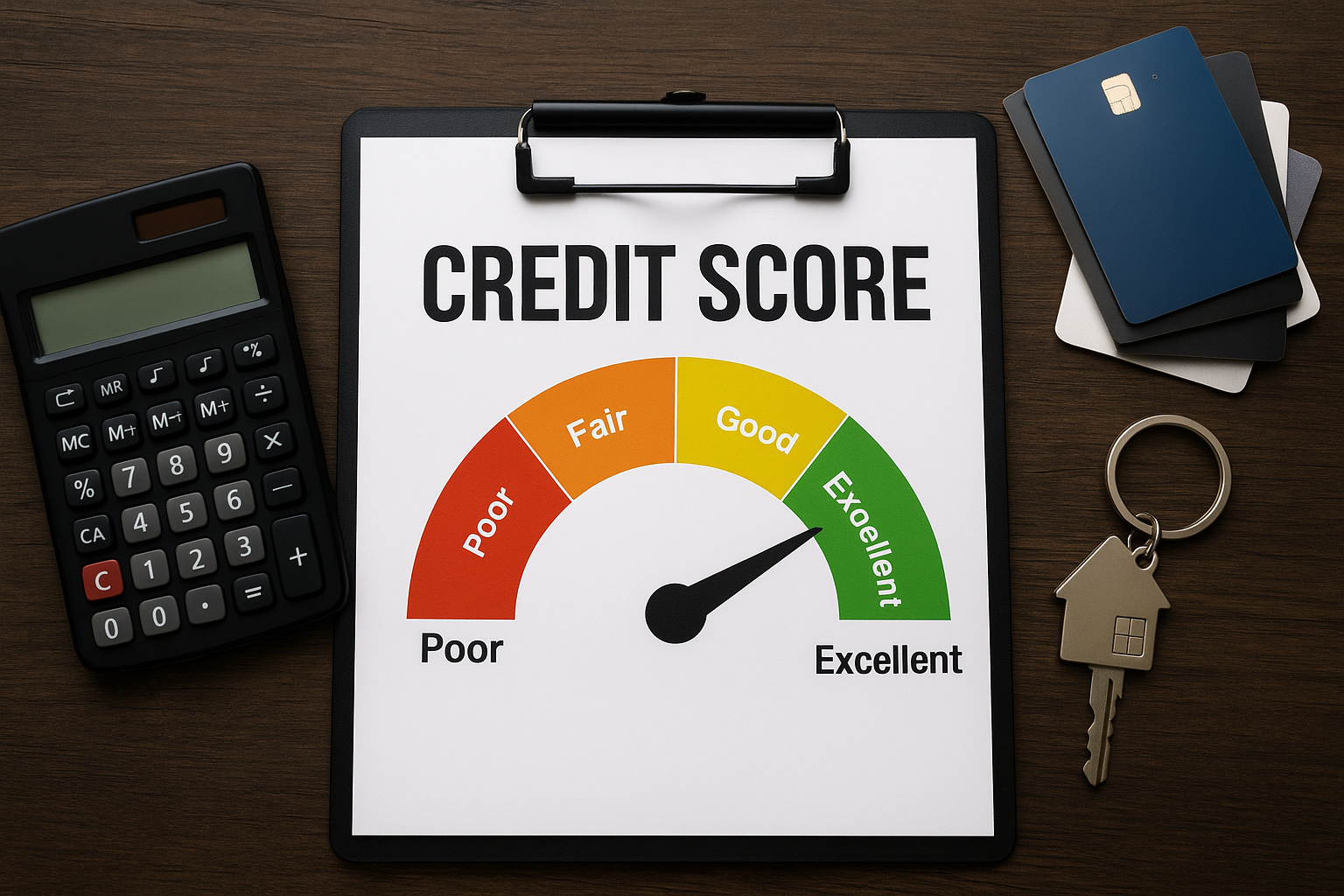
Opening new accounts can help diversify your mix but may temporarily lower your score due to inquiries, so plan additions strategically. Focus on maintaining older accounts in good standing and avoid unnecessary applications. Use credit monitoring tools to track changes and receive alerts for unusual activity or balance spikes. Monitoring gives you time to respond before issues escalate.
Balance new account benefits with the short-term impact of inquiries, and opt for secured or low-limit additions if you need to build history. A thoughtful approach to account management supports steady score growth.
Conclusion
Organize payments, review reports, and monitor activity regularly to influence your score in measurable ways.
Make small timing adjustments and automate where possible to reduce errors and reported balances.
Consistent habits create steady improvements that compound into long-term credit health.