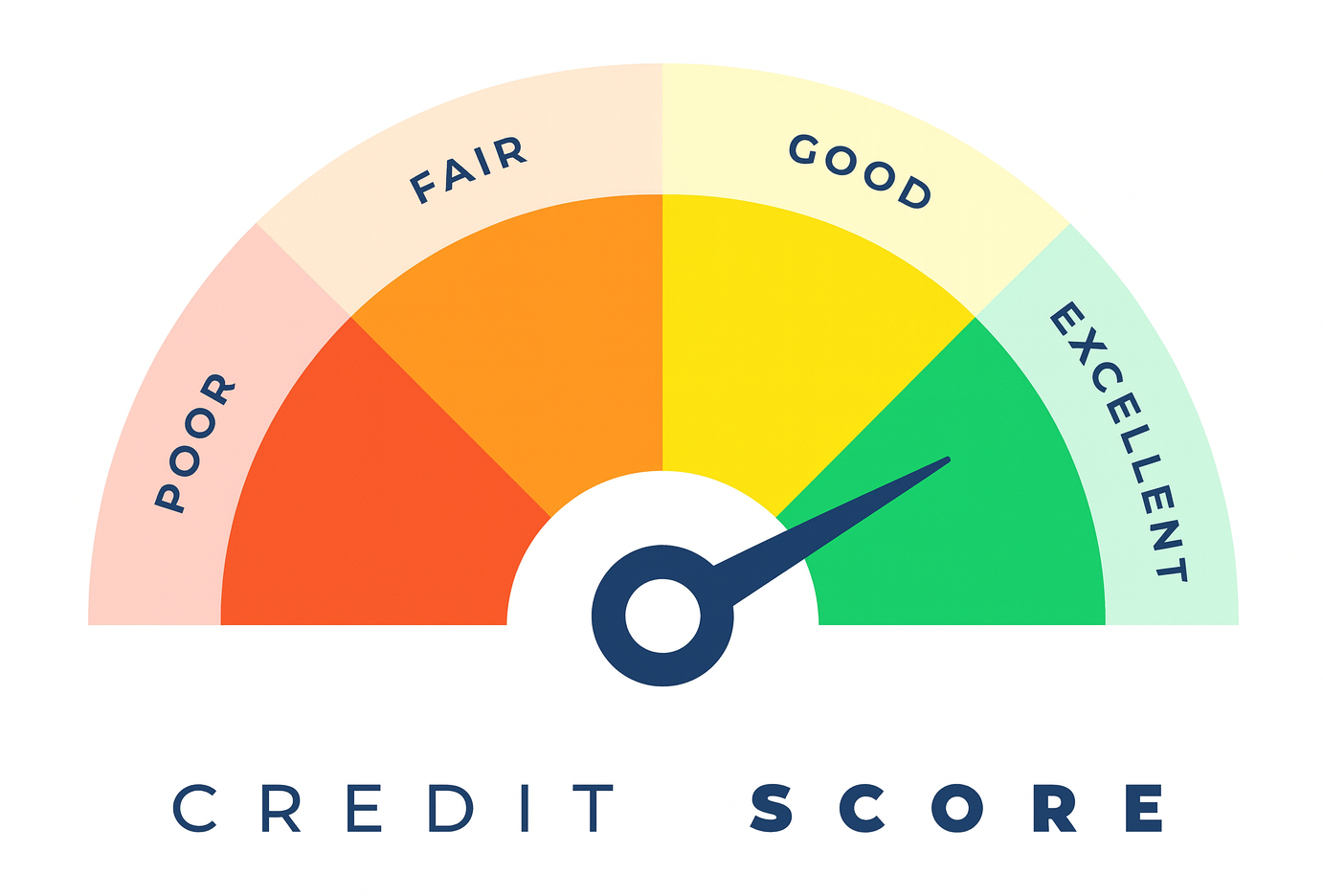
Managing credit cards can feel complicated when schedules are full and priorities shift frequently. A simple, repeatable plan reduces stress and helps you use credit as a tool rather than a burden. This article outlines practical steps you can adopt quickly and maintain with minimal effort. The goal is to improve financial control and protect your credit score without overhauling your entire routine.
Assess Your Current Card Situation
Start by listing each card, its interest rate, minimum payment, billing date, and any rewards or fees it carries. Understanding these basic details clarifies which accounts need attention and which can be used strategically. Look for cards with high interest or annual fees that aren’t delivering value and prioritize paying those down. Gathering this information creates a factual basis for decisions rather than relying on memory or assumptions.
- Card name, APR, and balance
- Monthly payment and due date
- Key benefits or costs
With this snapshot you can decide whether to consolidate balances, shift spending, or close an account. These choices should align with your broader finances and future plans.
Set Clear, Practical Usage Rules
Define simple rules that fit your life, such as using one card for recurring bills and another for discretionary spending. Limit the number of active cards you use routinely to reduce tracking errors and missed payments. Establish a fixed day each month to pay credit card bills and consider scheduling automatic payments for at least the minimum due. Rules like these transform good intentions into reliable habits.
Keep rules realistic so they are sustainable; overly strict limits tend to break down over time. Review and adjust them quarterly to reflect any changes in income or goals.
Monitor, Adjust, and Protect Your Credit
Regular monitoring helps you catch errors, identify fraud, and understand how cards affect your credit utilization and score. Use alerts for due dates and large transactions, and check statements each month for unfamiliar charges. If balances climb, create a repayment plan that targets high-interest debt first while maintaining minimum payments on other accounts. Small, consistent adjustments prevent surprises and keep progress steady.
Protect your accounts by using strong passwords and enabling two-factor authentication where possible. If your circumstances change, revisit your plan promptly to maintain financial resilience.
Conclusion
Adopting a straightforward credit card plan reduces stress and improves financial outcomes through consistent, manageable steps. By assessing accounts, setting clear rules, and monitoring activity you can use credit responsibly without it dominating your life. Regular review and small adjustments keep the system aligned with changing priorities.