Improving your credit score doesn’t require dramatic changes overnight. Small, consistent monthly actions can add up to meaningful improvements. This plan lays out simple steps you can follow every month to strengthen credit habits. Follow it for several months and measure progress to stay motivated.
Set a Monthly Credit Checklist
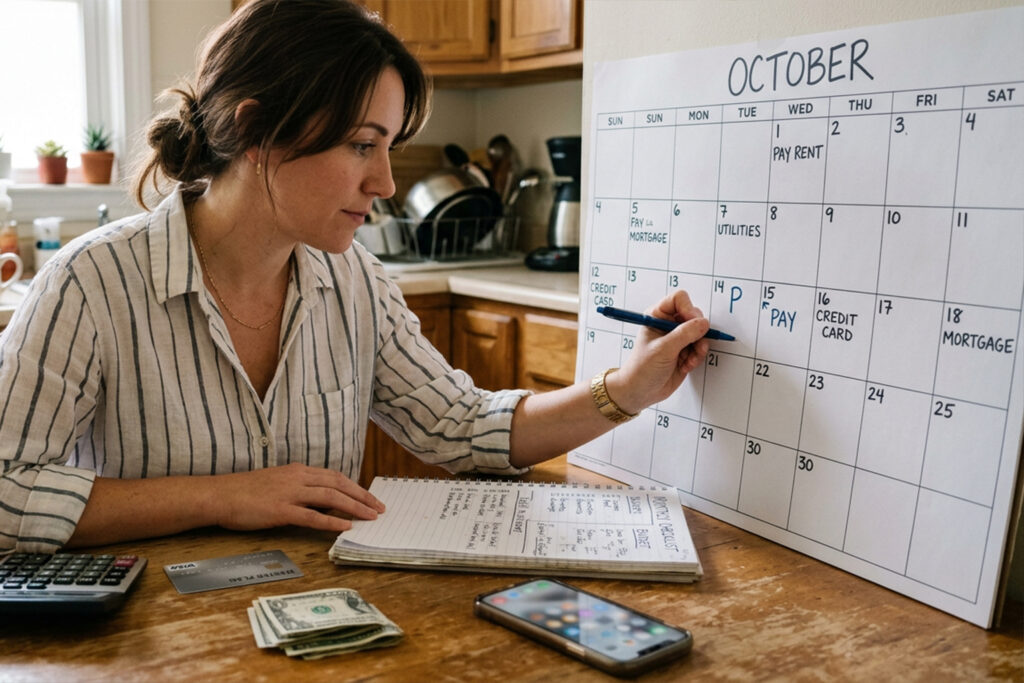
Begin each month by reviewing key credit tasks and setting priorities. Check upcoming payment due dates, recent balances, and any notices from lenders. Allocate time to update a budget and set auto-pay where helpful. A short checklist prevents oversights that can lower a score. Also glance at your credit score trend to spot progress or declines early.
- Confirm due dates and calendar reminders.
- Set payment amounts and automation where sensible.
- Review high balances and work to reduce utilization.
- Note any new inquiries or recently opened accounts.
Keep the checklist visible and update it as circumstances change. A steady routine reduces missed payments and keeps utilization in view.
Keep Balances Low and Payments Timely
Payment history and credit utilization are two of the largest influences on most scoring models. Aim to pay at least the minimum on time, and ideally pay full balances when possible. Try to keep individual card utilization below 30% and aggregate utilization low. Making multiple small payments across the month can help lower reported balances. If possible, schedule payments a few days before due dates to avoid processing delays.
Consistent, on-time payments build a reliable history that lenders favor. Reducing utilization signals lower risk and often lifts scores.
Use Credit Mix and New Accounts Carefully
A diverse credit mix can help, but opening new accounts should be deliberate. New credit inquiries and short account age can temporarily lower scores. Consider whether a new card or installment loan addresses a specific need or improves terms. If opening accounts, space applications and maintain older accounts. Where appropriate, consider small credit-builder products to diversify the mix without risking large debt.
Responsible use of different account types can be beneficial over time. Avoid unnecessary applications that provide little long-term value.
Monitor Reports and Correct Errors
Regularly review your credit reports to catch inaccuracies, identity issues, or outdated information. Mistakes like wrong balances or unfamiliar accounts can drag scores down if uncorrected. Dispute verified errors promptly and document communications with bureaus or creditors. Monitoring tools and alerts can flag sudden changes to investigate quickly. If you suspect fraud, place alerts or freezes and follow up with creditors to limit damage.
Timely corrections protect your profile and restore accurate standing. Staying aware also deters fraud and unexpected score shifts.
Conclusion
Stick to these monthly habits and track your progress.
Small, sustained actions compound into noticeable score improvements.
Review and adjust the plan as your financial situation evolves.