Improving a credit score is less about quick fixes and more about steady, intentional choices. Small changes in billing habits, account management, and credit use compound over months and years. Understanding how credit factors interact helps direct where to focus time and attention. This guide outlines practical, repeatable steps that support long-term score improvement.
Understand the Components
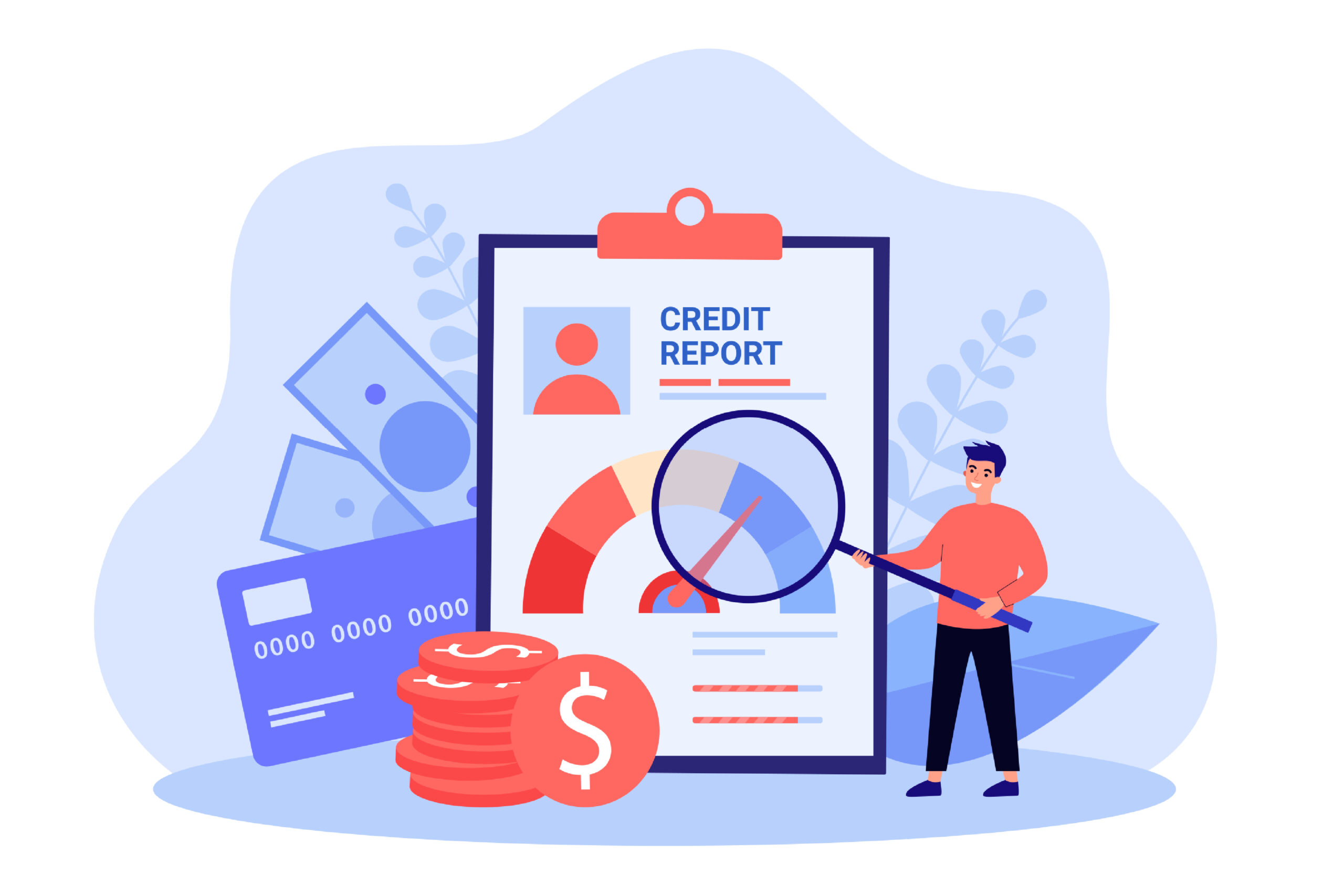
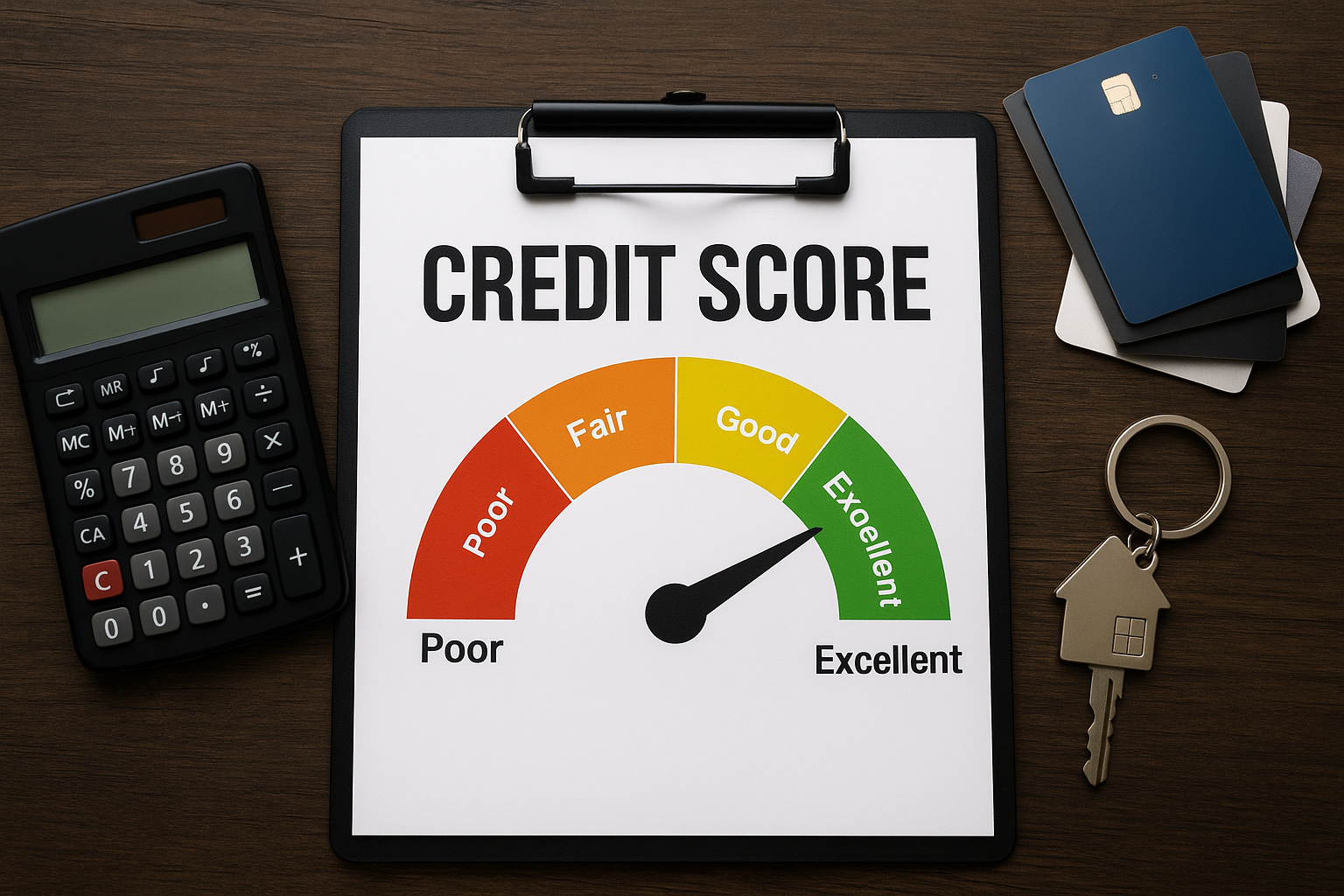
Credit scores are calculated from several factors that carry different weights, so it helps to know which areas matter most. Payment history and amounts owed typically dominate the score, while length of credit history, mix of credit, and recent inquiries also contribute. Reviewing a credit report regularly reveals errors, outdated information, or accounts that may be dragging the score down. Taking time to parse these elements allows for targeted, efficient improvements.
Start by obtaining your reports and checking for inaccuracies or unfamiliar accounts. Address mistakes quickly and document any disputes for future reference.
Manage Balances and Payments
Keeping balances low relative to credit limits is a straightforward way to improve the utilization component of your score. Aim to pay down high balances first and consider making multiple payments within a billing cycle to lower reported utilization. Consistently paying at least the minimum by the due date preserves payment history and prevents late-payment damage. Small, repeatable routines around payment timing can yield measurable improvements.
- Set calendar reminders or automated payments for due dates.
- Prioritize cards with the highest utilization percentages.
- Use balance alerts from your bank or credit monitoring service.
These practical steps reduce risk and establish common-sense discipline. Over time, lower utilization and on-time payments work together to lift the overall score.
Use Credit Strategically Over Time
A long-term perspective helps you avoid reactive decisions that can harm credit. Avoid opening multiple new accounts at once and be cautious about closing older accounts, since account age influences length of history. When adding credit, choose options that diversify your credit mix without exceeding comfortable repayment capacity. Responsible, gradual use of credit builds a stronger profile than frequent, large changes.
Plan major credit moves—like a new loan or added card—around your broader goals. Stay patient and track progress to reinforce positive habits.
Conclusion
Consistent, small improvements compound into meaningful score gains over time. Focus on accurate reporting, timely payments, and sensible use of available credit. With patience and simple routines, anyone can strengthen their credit profile.