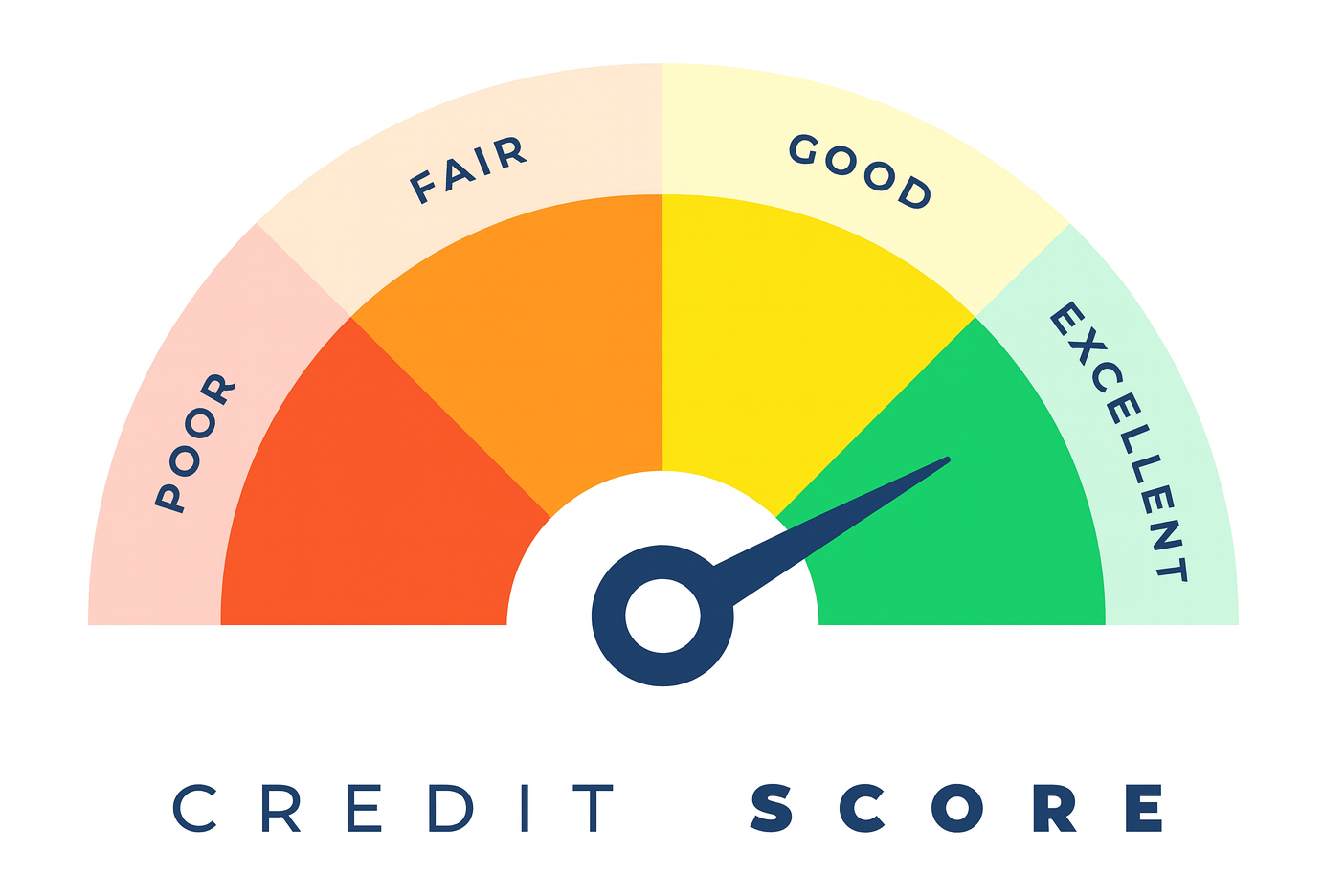
Good credit habits make managing cards easier and reduce financial stress.
Small, consistent actions influence credit scores and spending power over time.
This article outlines practical behaviors you can adopt to strengthen your credit profile.
Read on for clear steps that fit everyday life.
Understand Your Credit Profile
Start by reviewing the elements that determine your credit score and how your cards report activity.
Payment history, utilization, credit age, and account mix all play roles in the outcome.
Knowing which factors matter helps you prioritize actions that have measurable effects.
Regular review reduces surprises and supports smarter decisions.
Check your reports at least annually and correct errors quickly.
Awareness is the first step toward improving behavior.
Adopt Practical Daily Habits
Daily routines shape long-term credit performance more than occasional large moves.
Simple habits like tracking balances, setting payment reminders, and avoiding impulse card use prevent common pitfalls.
Consistency builds a history lenders can trust and keeps utilization in check.
These habits are low effort but high impact when maintained.
- Track balances and set alerts to avoid surprises.
- Pay at least the minimum and aim for full statement payments.
- Keep utilization below recommended thresholds by spreading balances.
- Avoid opening many new accounts in a short period.
- Use automatic payments and calendar reminders for due dates.
Small adjustments compound, lowering risk of missed payments.
Make one change this month and build from there.
Use Credit Strategically
Choose cards and features that align with your spending and goals rather than chasing every reward.
Pay statements in full when possible to avoid interest and focus on cards that simplify your life.
For larger purchases, plan payment timelines that respect promotional rates and your repayment capacity.
Strategic use increases benefits without undermining stability.
Evaluate new offers critically and prioritize low-cost borrowing.
Thoughtful card selection supports both convenience and credit health.
Monitor and Adjust Over Time
Regular monitoring lets you spot trends and respond before small issues grow.
Set quarterly checkpoints to review balances, interest charges, and reward value relative to your habits.
When life changes, adjust card usage, credit limits, or repayment plans to maintain alignment.
Small course corrections keep progress steady and preserve your credit options.
Use free tools and alerts to stay informed and reduce manual effort.
A proactive approach minimizes surprises and preserves financial flexibility.
Conclusion
Consistent, simple habits build stronger credit and financial flexibility.
Monitor activity regularly and make timely payments.
Apply these practices gradually for sustainable results.