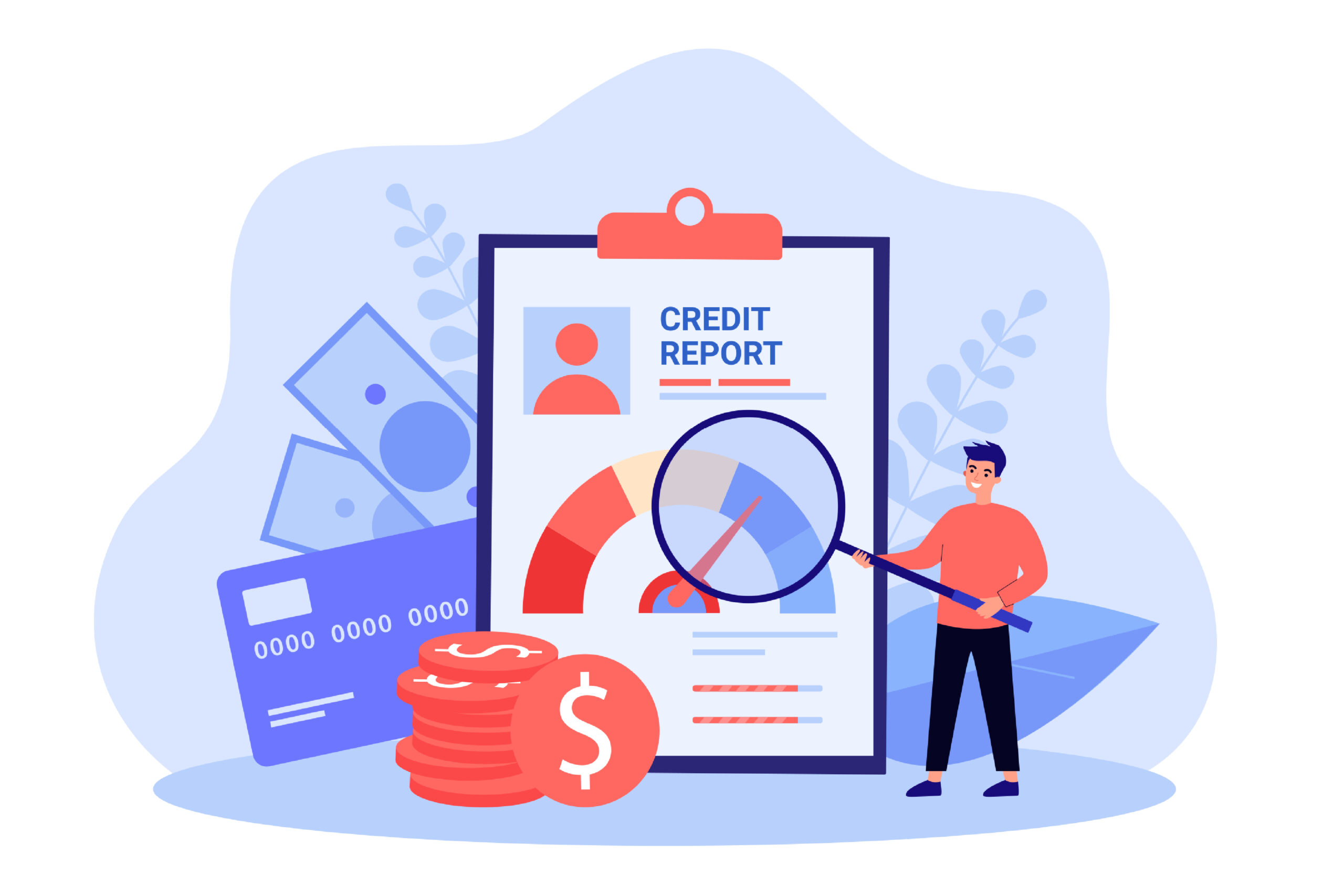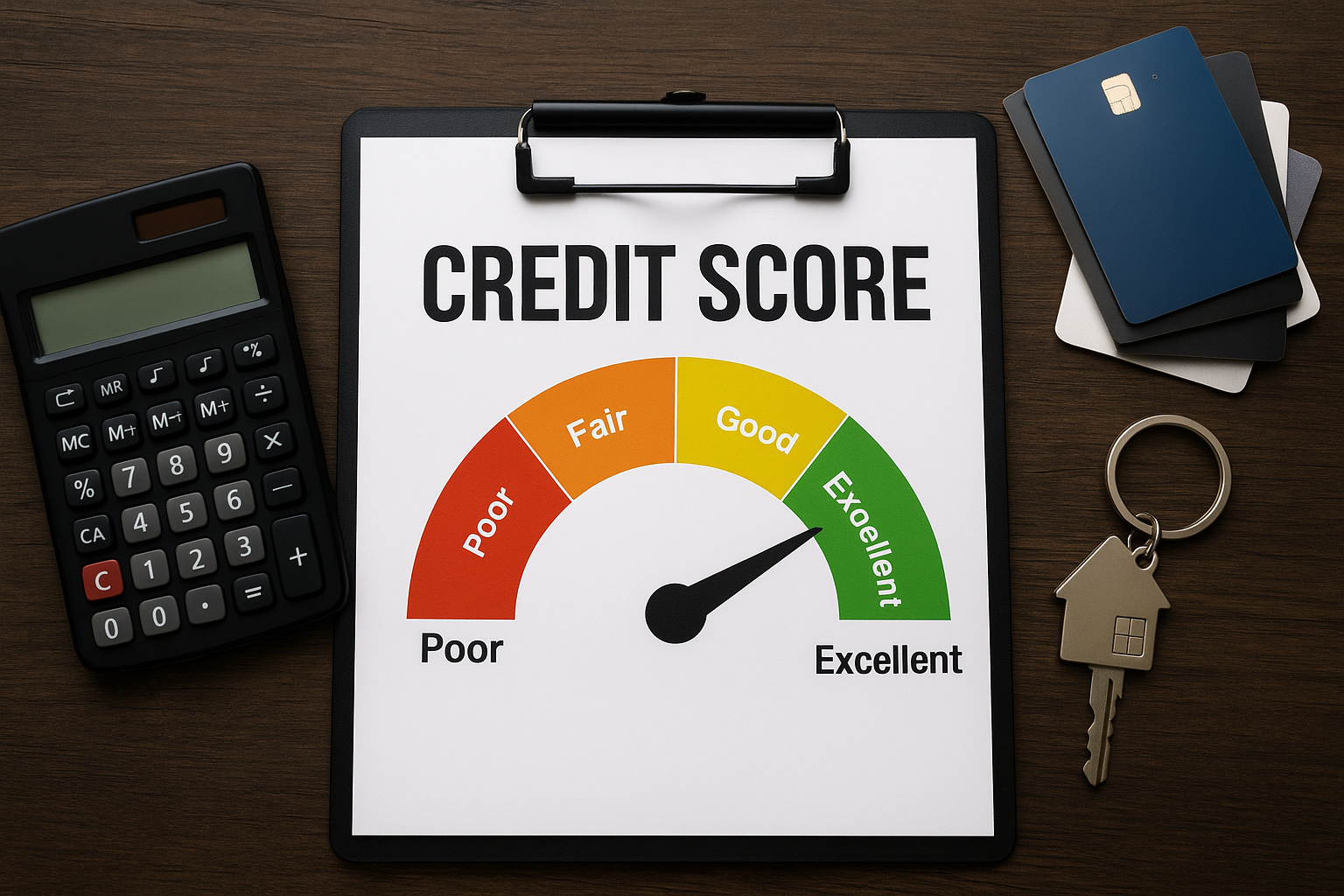
Many people think credit scores only matter when applying for loans or credit cards—but they also play a significant role in determining insurance premiums. Whether it’s auto, home, or renters insurance, companies often use credit-based scoring models to predict how likely someone is to file a claim. This surprising connection can influence how much you pay each month, even if you’ve never had an accident or made a claim before. Understanding how credit impacts insurance costs helps you stay informed and take steps to manage your financial profile more effectively.
Why Insurers Use Credit Information
Insurance companies use data to estimate risk. Over the years, industry studies have shown a correlation between strong credit habits and lower claim likelihood. Because of this, insurers use credit-based insurance scores—not your full credit score—to predict customer behavior. These scores help determine how risky you may be to insure, which affects the rate you’re offered. While it may seem unrelated, insurers see credit history as a reflection of responsibility and long-term financial stability.
How Credit Influences Your Premiums
A higher credit score often leads to lower premiums. People with excellent credit tend to qualify for cheaper auto and home insurance rates. On the other hand, a lower score can increase monthly premiums even if your driving record or claim history is clean. For insurers, it’s all about statistical patterns—not personal judgment. Small improvements in your credit score can make a noticeable difference in the cost of your policy over time.
Which Types of Insurance Are Affected
Auto and homeowners insurance are the most common types where credit-based scoring is used. Renters insurance may also be affected, depending on the state and the insurer. Health insurance and life insurance typically do not use credit scores for pricing, but they may still review credit behavior during the application process. Knowing which policies rely on credit information helps you plan and budget more accurately.
Ways to Improve Your Insurance Rates
Because insurance premiums are influenced by credit, improving your score can lead to meaningful savings. Paying bills on time, lowering credit card balances, and reducing debt all contribute to a healthier financial profile. Checking your report regularly also helps you spot errors that could raise your premiums. As your credit score strengthens, you can request a rate review or compare quotes from multiple insurers to find better pricing.
Conclusion
Credit scores play a bigger role in insurance premiums than most people realize. By understanding this connection and taking steps to maintain strong credit habits, you can reduce costs and secure better long-term coverage. Improving your credit doesn’t just help with loans—it also unlocks lower insurance rates and greater financial stability.