Choosing the right combination of credit cards for everyday spending can reduce fees and boost value while keeping finances manageable.
Begin by reviewing where most of your money actually goes each month and which expenses are flexible.
A clear, simple strategy focuses on one or two cards rather than an unmanageable stack of accounts.
This approach helps you earn rewards without complicating payments or increasing interest costs.
Set Clear Goals for Card Use
Start by defining what you want from your cards: cash back, travel rewards, low interest, or balance transfer options.
Different goals change the cards you should prioritize and how you use them during the month.
For example, if reducing interest is a priority, low-rate and balance-transfer offers matter more than rewards.
Write down two primary objectives and let them guide which cards stay in your wallet.
Keeping goals simple reduces decision fatigue when paying bills or choosing which card to use.
A two-goal limit prevents chasing marginal benefits that add complexity rather than value.
Match Cards to Spending Categories
Analyze recent statements to identify recurring categories like groceries, gas, dining, and subscriptions.
Assign one card to your dominant category and a backup card for general purchases or unexpected expenses.
If a card offers rotating categories, plan ahead to maximize those quarters and avoid overlap that wastes rewards.
Consistency is more valuable than squeezing tiny bonuses from many cards across different retailers.
Automating payments and reminders ensures you capture rewards without missing due dates.
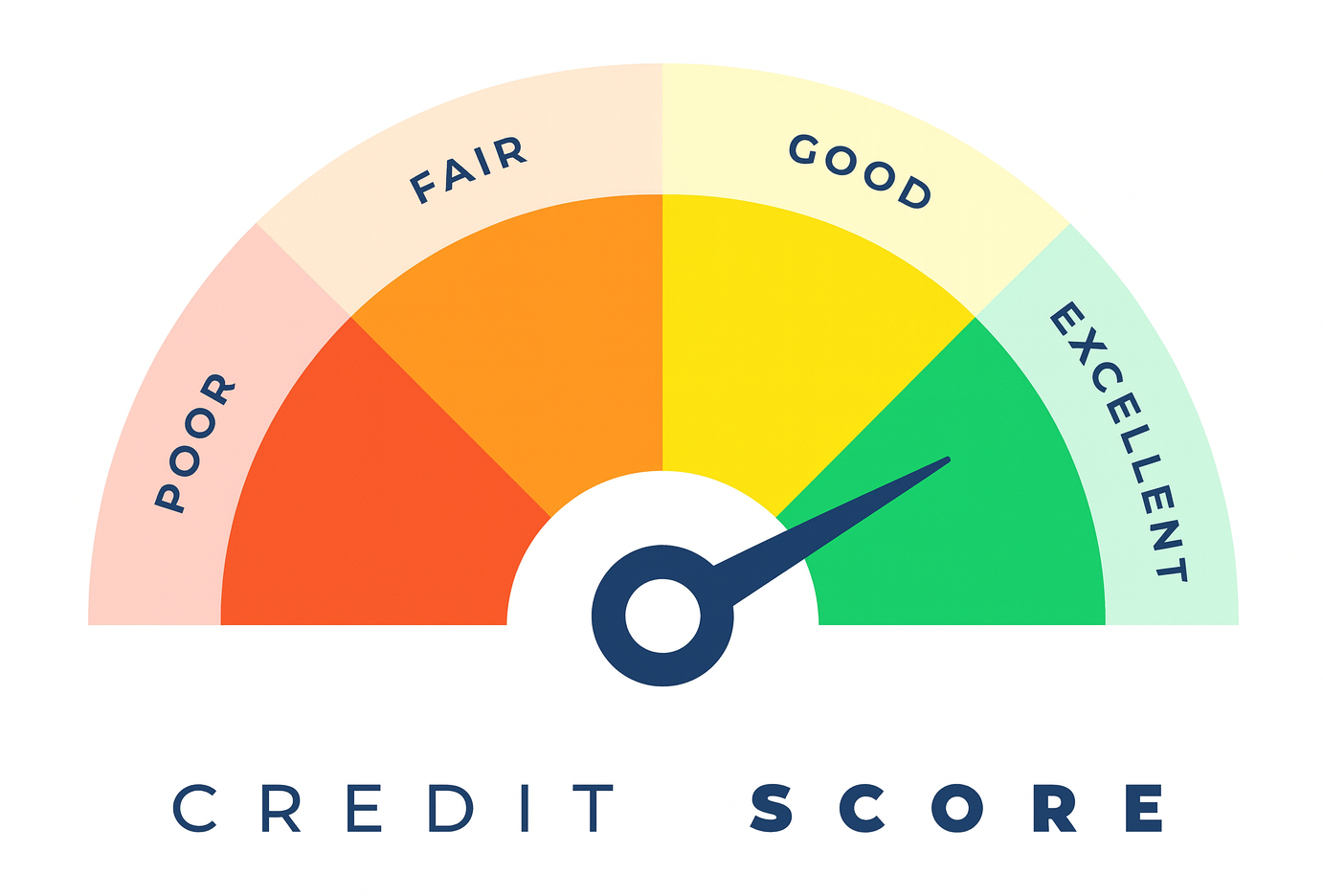
That discipline protects your credit score and keeps your plan sustainable over time.
Track Costs, Fees, and Credit Health
Regularly review annual fees, interest charges, and how rewards align with your real spending pattern.
Use a simple spreadsheet or budgeting app to track net benefit: rewards minus fees and any added interest.
Monitor your credit utilization and report changes that could affect your score, keeping balances low when possible.
Small adjustments to use or payment timing can materially change the value you receive from cards.
Protect your accounts with strong passwords, alerts, and prompt fraud reporting to minimize risk.
Revisit your strategy yearly to confirm it still reflects your finances and goals.
Conclusion
Design a focused plan that prioritizes a couple of clear objectives.
Match your cards to actual monthly spending and track the net benefit regularly.
Review and adjust the strategy as your financial needs change.