Improving a credit score is best approached as a steady, disciplined process rather than a sprint. Small, measurable actions taken consistently tend to produce more reliable results than occasional large moves. This article offers a practical framework you can follow month to month to target the main factors that influence your credit profile. Use these steps to set priorities, measure progress, and adjust tactics when needed.
Assess Your Starting Point
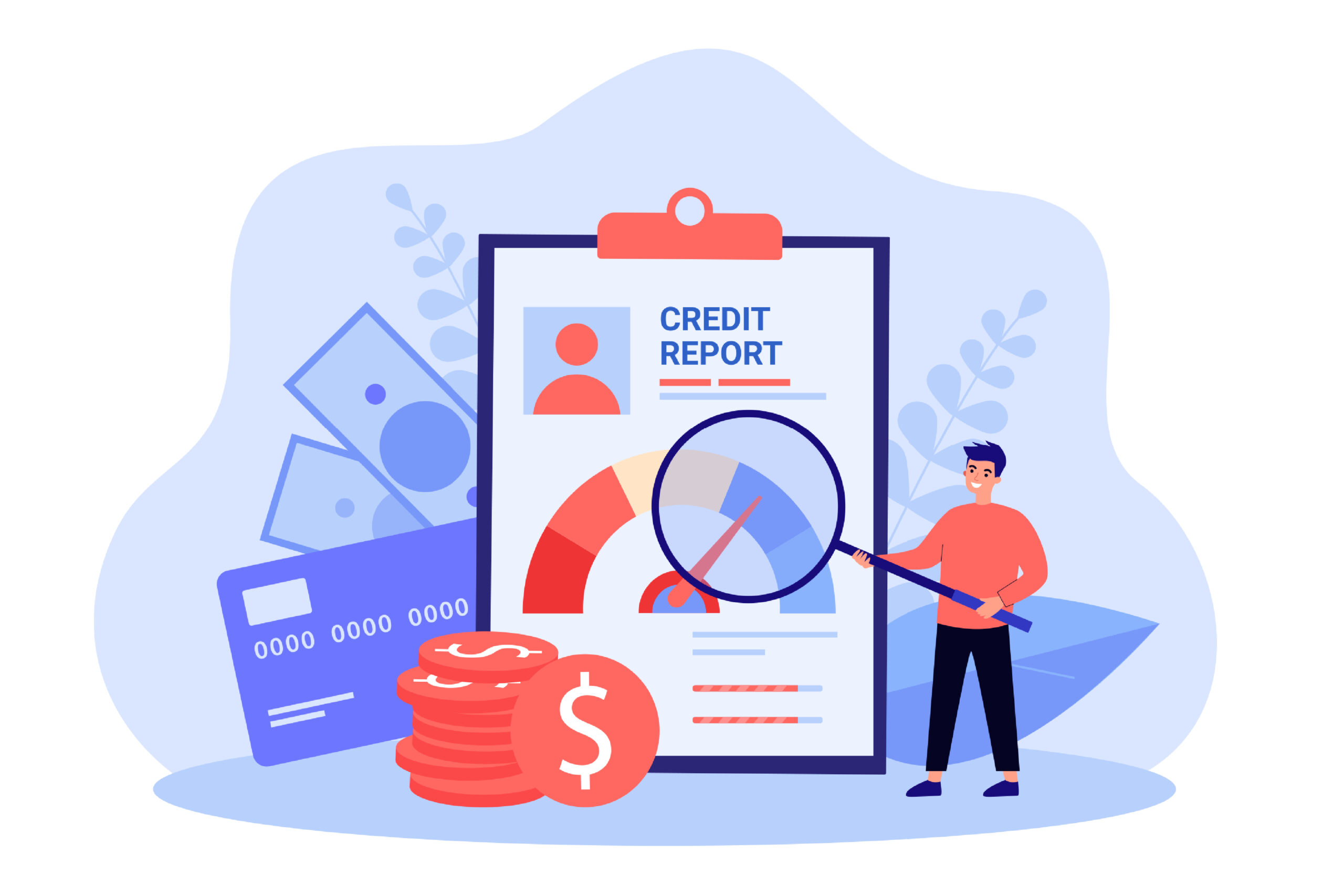
Begin by obtaining the most recent copies of your credit reports and scores to identify where you stand. Look for high balances, missed payments, and any reporting errors that could be dragging down your score. Understand your credit utilization ratio across cards and note which accounts have older positive history. A clear snapshot of strengths and weaknesses helps you focus effort where it counts.
Make a concise list of the top three issues to address first and track them on a simple spreadsheet or app. Reviewing this list each month keeps priorities visible and prevents reactive decisions. Regular checks also make it easier to spot identity or reporting problems early.
Set Small, Measurable Goals
Translate your assessment into short-term goals that are specific and trackable. Examples include reducing overall utilization by 5 percentage points, bringing one account current, or disputing and resolving one inaccurate item on your report. Measurable goals let you celebrate incremental wins, which reinforces the habit of regular attention.
- Reduce revolving utilization by 5% within 60 days.
- Bring any past-due account to current within one billing cycle.
- File disputes for up to two clear reporting errors each month.
Document timelines and check progress at monthly intervals. If a target isn’t met, revise the approach rather than abandoning the goal; small course corrections compound positively over time.
Adopt Consistent Credit Habits
Consistent behaviors create the conditions for sustained improvement in credit scoring. Prioritize on-time payments by automating due dates or setting calendar reminders and aim to keep card balances well below credit limits. Consider reallocating spending to cards with lower utilization or making multiple payments in a billing cycle to reduce reported balances.
Keep new credit applications limited while you stabilize balances and history. Over time, consistency in payments and lower utilization will generate better scoring outcomes without risky strategies.
Conclusion
Designing a sustainable credit plan means assessing your profile, setting realistic targets, and practicing consistent habits. Track progress monthly and make small adjustments rather than chasing quick fixes. Over time, these disciplined steps build a stronger, more reliable credit profile.