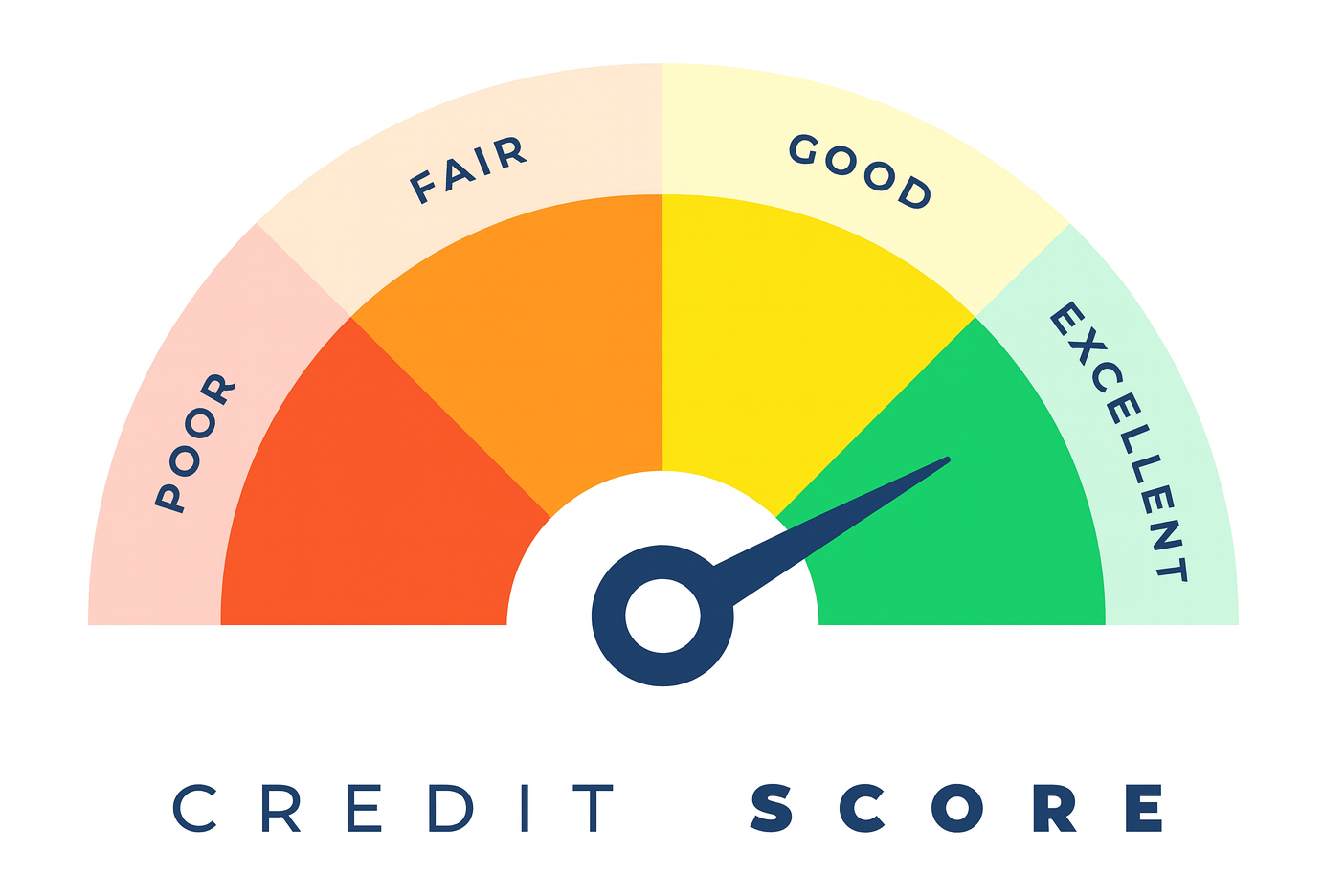
Managing credit cards well starts with clear, personal rules that reflect your routine and priorities. Small, intentional choices can reduce fees, protect your score, and make rewards easier to collect. This article outlines a framework to match card features to habits, control costs, and simplify monthly management. Follow these steps to build a sustainable approach without adding complexity to your finances.
Assess Your Spending Habits
Begin by tracking major spending categories for a month or two so you can see where most of your dollars go. Compare recurring payments, groceries, dining, travel, and bills to identify which categories matter most for rewards or budgeting. Understanding patterns helps you decide whether to consolidate into one versatile card or carry a specialized card for a dominant category. This clarity reduces guesswork when choosing cards and optimizing benefits.
Once you know your top categories, list which card features would provide the most value. Prioritize features that match frequent expenses and eliminate perks that won’t be used. A focused match often beats chasing every available reward.
Match Features to Your Financial Goals
Evaluate key factors such as annual fees, rewards structure, intro APRs, and ongoing interest rates. If you pay your balance in full each month, rewards and welcome bonuses should weigh more heavily than promotional APRs. Conversely, if you occasionally carry a balance, lower ongoing interest or a long intro APR could be more valuable than points. Also consider protections like purchase insurance, extended warranties, and travel benefits if those align with your lifestyle.
- Choose low-fee cards for routine purchases you pay off monthly.
- Select a rewards card for large recurring expenses you can pay immediately.
- Keep one low-rate option if you expect to carry a balance temporarily.
Balance the tangible savings against convenience and simplicity to avoid overcomplicating your wallet. Fewer, well-chosen cards typically deliver better results than many underused accounts.
Minimize Costs and Protect Your Credit
Set practical safeguards: enable autopay for at least the minimum, monitor statements for errors, and keep utilization below recommended levels to protect your score. Be mindful of fees such as late payments, foreign transaction charges, and cash-advance costs that can erode rewards. Consider calendar reminders for benefit enrollments and statement dates to maximize perks without missing deadlines.
Regularly review your cards and close or downgrade accounts only after checking potential effects on average account age and available credit. Thoughtful maintenance prevents surprises and keeps your strategy aligned with changing needs.
Conclusion
Clear, personal rules make credit cards work for you rather than against you. Focus on matching card features to spending patterns, minimizing costs, and protecting your credit with simple processes. Periodic reviews keep your approach efficient as life and priorities change.