Improving a credit record is less about dramatic moves and more about steady habits that add up over time. Small, repeatable actions — like paying on time, keeping balances modest, and watching your credit file — create reliable momentum. This article outlines practical, habit-focused steps you can adopt and maintain without stress. The goal is sustainable improvement rather than quick fixes.
Understand Your Credit Report
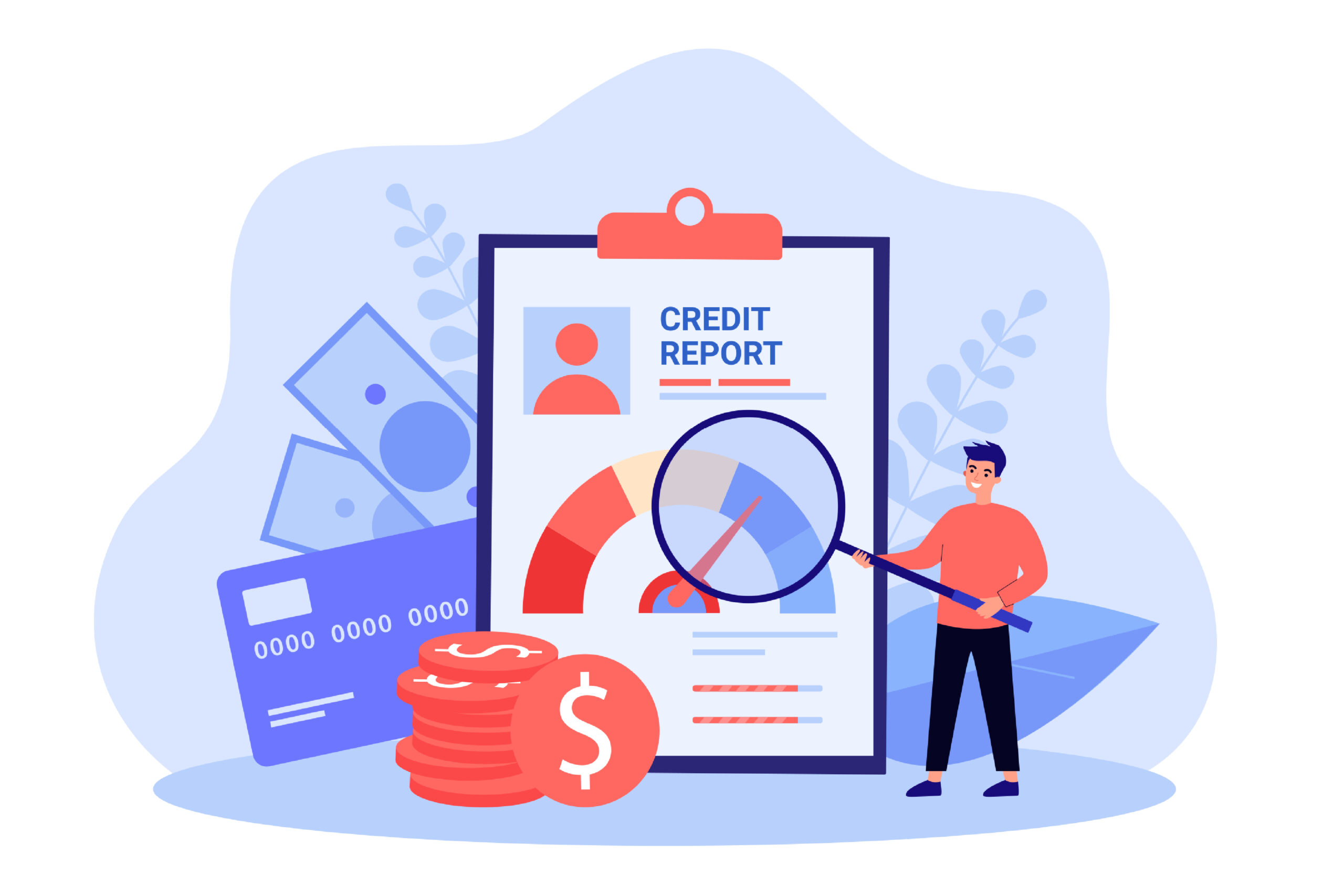
Start by obtaining and reviewing your credit report to know exactly what lenders see. Look for errors, unfamiliar accounts, or outdated information that could be dragging your score down. Understanding the factors that matter—payment history, utilization, age of accounts, and inquiries—helps you prioritize actions. Knowledge reduces guesswork and gives you a roadmap for targeted improvement.
Make a habit of checking your report at least annually and after major life changes. Correcting mistakes promptly can restore points you never knew you lost.
Build Predictable Payment Habits
Consistently paying bills on time is the single most influential habit for a stronger credit record. Automate payments or set calendar reminders to avoid missed due dates, even for small accounts. If cash flow varies, prioritize minimum payments to keep accounts current while chipping away at principal. Over time, punctual payments accumulate into a positive payment history that lenders value highly.
Create a simple monthly checklist that tracks due dates and balances. Reinforcing this routine reduces stress and keeps your accounts in good standing.
Manage Balances and Credit Mix
Keeping revolving balances low relative to limits—credit utilization—is a practical lever you can control. Aim to use a modest portion of available credit and pay down cards before statement closing dates when possible. Avoid opening multiple new accounts at once, but consider a small, well-managed installment or revolving account to demonstrate responsible variety. Lenders prefer a mix that shows consistent, low-risk borrowing behavior.
Regularly transfer surplus funds toward high-utilization cards and maintain older accounts when they help your average account age. These small adjustments add up.
Monitor, Adjust, and Protect
Monitoring your credit allows you to spot trends and react before small issues become large problems. Use alerts for new accounts or significant changes, and periodically reassess goals as your circumstances evolve. If you encounter setbacks, focus on steady recovery steps—timely payments, reduced utilization, and dispute resolution. Preventative measures like identity protection can also safeguard progress.
Be patient and treat improvement as a long-term process. Consistency and small course corrections typically produce the most durable results.
Conclusion
Strong credit grows from simple, repeatable habits that prioritize on-time payments and sensible use of credit. Monitor your report, manage balances, and adjust routines as needed to maintain momentum. Over months and years, these steady practices build a more resilient financial profile.